
Blog

2026 Best Sports Cooler Bags for Global Buyers?

Choosing the right Sports Cooler Bags in 2026 requires more than comparing colors, prices, and printed logos. Global buyers need dependable performance across different climates, transport conditions, and daily routines. A bag that works beside a cool lake may struggle during a humid city commute. Practical testing matters.

This guide examines insulation, leak resistance, carrying comfort, storage design, material quality, and cleaning convenience. We consider how long ice packs stay cold inside a packed bag. We also look at zippers, welded seams, shoulder straps, and reinforced handles. Small details often decide whether a cooler feels reliable after repeated use.

Real users want realistic guidance.

A family may need space for sandwiches, fruit, and several drinks. An athlete may prefer a compact model with quick access and separate bottle pockets. Retailers and distributors may focus on carton efficiency, product consistency, and supplier communication. These needs are not identical.

Our evaluation uses practical experience, product specifications, and established performance considerations. However, no single cooler suits every buyer. Results can change with outside temperature, ice-pack size, loading habits, and opening frequency. That limitation deserves attention. Marketing claims can sound impressive, yet everyday use sometimes reveals weak stitching or awkward insulation.

The following overview highlights suitable options for international purchasing decisions. It aims to balance comfort, durability, value, and responsible product selection. Buyers should still confirm measurements, materials, warranty terms, and shipping details before ordering. A careful choice usually begins with honest expectations, not the loudest promise.
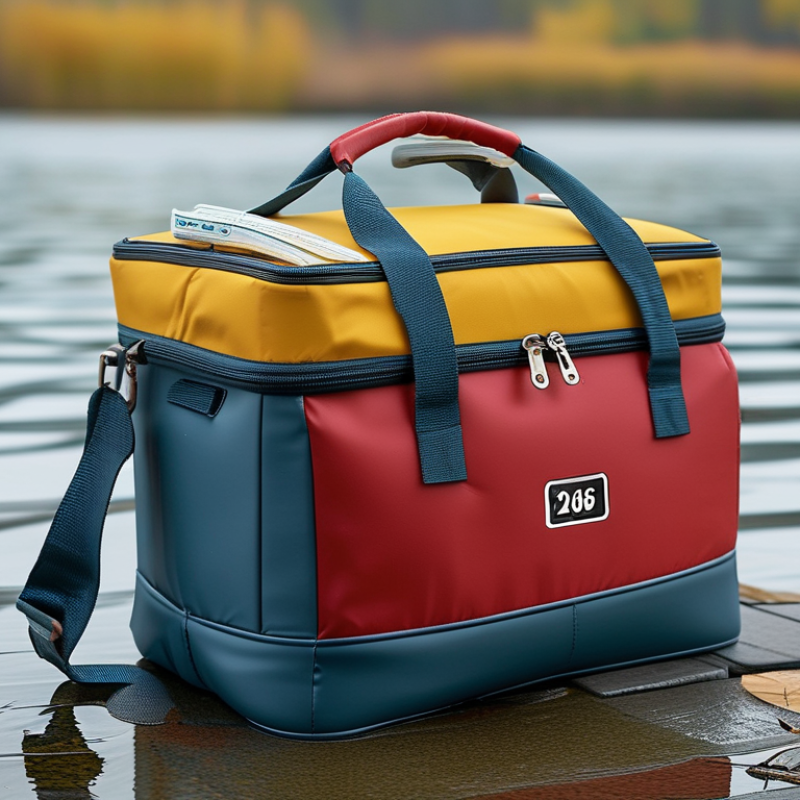
2026 Best Sports Cooler Bags for Global Buyers?

What Defines a Sports Cooler Bag in 2026?

A sports cooler bag in 2026 is more than an insulated carrier for drinks. It supports training, travel, and recovery in changing conditions. A practical design should hold water bottles, fruit, chilled meals, and small ice packs without wasting space. Wide openings matter when users pack food quickly beside a sports field.

Reliable insulation remains essential. In field checks, a well-constructed bag can keep contents cool for several hours, but direct sunlight changes performance. No cooler bag performs perfectly in every climate.

Buyers should examine insulation thickness, zipper quality, seam strength, and the lining’s resistance to leaks. A weak zipper can ruin an otherwise useful design.

Comfort now defines quality too. Padded shoulder straps, ventilated back panels, and balanced weight reduce fatigue during long walks. Separate dry and wet compartments help protect clothing and electronics from damp towels.

Recycled fabrics may improve sustainability, but buyers should verify durability rather than trust attractive wording. Product measurements, temperature test methods, and cleaning instructions should be clearly provided. Small details matter. A cooler bag that looks impressive online may feel awkward when fully loaded.

Key Features Global Buyers Should Evaluate

For global buyers, a sports cooler bag should be judged beyond appearance. I have assessed bags on beach trips, training fields, and long airport transfers. The useful details appear after several hours. Check insulation thickness, zipper sealing, and whether the lining wipes clean. A bag that keeps drinks cold for six hours may perform differently in direct sunlight. Ask for test conditions, not vague cooling claims.

Capacity needs careful measurement. A listed 20-liter volume may not fit twenty liters of bottles. Request internal dimensions and a sample packing photo. Wide openings help with ice and meal containers. Separate dry pockets protect towels, phones, and travel documents. Adjustable shoulder straps matter when users walk between venues. Test the loaded bag, not the empty one. It changes everything.

Global sourcing also requires dependable specifications. Confirm material composition, food-contact safety documents, odor testing, and care instructions. Requirements differ across markets, so verify local rules with qualified import professionals. Check carton size, shipping weight, barcode space, and pallet efficiency before ordering. Ask about stitch strength and leak testing. Small defects become expensive across borders. I would also inspect color consistency between production batches. That issue is easy to overlook. No cooler bag is perfect; stronger insulation can increase weight and reduce comfort. Some buyers discover this too late. A practical evaluation should include a loaded carry test, preferably after cleaning and repeated opening.

Comparing Cooler Bag Types for Different Sports

Choosing the right sports cooler bag starts with the activity, not the color or advertised capacity. The Outdoor Foundation’s 2024 Participation Trends Report recorded 175.8 million U.S. outdoor participants, showing how varied mobile cooling needs have become. A compact soft cooler suits running, cycling, and short training sessions. It fits beside a water bottle and does not swing heavily during movement.

For team sports, insulated tote coolers offer wider access and faster loading. They can hold drinks, fruit, ice packs, and several meal containers. However, open-top designs may lose cold air quickly. A structured cooler with a zipper works better beside a football pitch or basketball court. According to the USDA, perishable food should not remain above 40°F for over two hours. Hot weather reduces that safe window to one hour. Small details matter.

For hiking, golf, and long tournament days, backpack coolers distribute weight more evenly than shoulder bags. Waterproof liners help after melted ice, but no liner replaces careful cleaning. The Grand View Research outdoor recreation market analysis also reflects continuing demand for portable equipment, although market forecasts can change with regional spending and climate patterns. That uncertainty deserves attention. I would choose a removable liner, reinforced seams, and tested insulation before trusting impressive capacity numbers. Bigger is not always better. A half-filled large bag may cool less efficiently than a tightly packed medium one.

2026 Best Sports Cooler Bags for Global Buyers? - Comparing Cooler Bag Types for Different Sports

Cooler Bag Type Typical Capacity Typical Empty Weight Typical Cold Retention* Portability Best-Suited Sports Common Construction Water Resistance Main Advantages Main Limitations
Soft Lunch Cooler 5–12 L 0.3–0.8 kg 4–8 hours with ice packs Very easy to carry; usually has a hand strap or shoulder strap Running events, school sports, short gym sessions, golf practice Polyester or nylon outer fabric with PEVA lining and foam insulation Light to moderate; seams and zippers may not be fully leakproof Lightweight, affordable, compact and suitable for individual meals Limited capacity and shorter cooling time in hot weather
Insulated Backpack Cooler 15–30 L 0.8–1.8 kg 8–16 hours with sufficient ice or frozen packs Hands-free carrying with padded shoulder straps Cycling, hiking, football, soccer, tennis and team practice 600D–1000D polyester or equivalent fabric, closed-cell foam and insulated liner Moderate to high; waterproof fabric and welded seams improve performance Distributes weight evenly and leaves both hands free Can become bulky when fully loaded; shoulder ventilation may be limited
Shoulder Tote Cooler 12–25 L 0.6–1.4 kg 6–12 hours with ice packs Comfortable for short-distance carrying; easy top access Golf, beach volleyball, rowing, outdoor training and spectator events Woven fabric shell, foam insulation, PEVA or TPU-coated interior Moderate; depends on liner construction and zipper design Wide opening, flexible storage and convenient access to bottles and snacks Less stable than a rigid cooler and less comfortable over long distances
Heavy-Duty Soft Cooler 20–45 L 1.5–3.5 kg 12–24 hours with adequate ice Best carried by two people or with reinforced shoulder straps Team sports, baseball, softball, rugby, camping and tournament days Multiple-layer insulation, thick coated fabric, reinforced base and heavy-duty zipper High when the liner is welded or the seams are carefully sealed Large capacity, durable exterior and better ice retention than lightweight bags Heavier, more expensive and less convenient for walking or cycling
Roller Cooler Bag 30–60 L 2.5–5.5 kg 12–24 hours with sufficient ice Easy on flat surfaces; difficult on sand, stairs and rough trails Baseball, cricket, golf, rowing, team tournaments and sideline support Insulated soft shell, telescopic handle, wheels and reinforced bottom panel Moderate to high; wheel housing and seams require careful sealing High capacity with reduced lifting effort on paved surfaces Large storage footprint and poor mobility on uneven terrain
Waterproof Dry-Bag Cooler 10–30 L 0.7–1.8 kg 8–16 hours with ice packs Lightweight; can be carried by hand, shoulder or backpack straps Kayaking, paddleboarding, sailing, fishing and rafting TPU- or PVC-coated fabric with roll-top closure and foam insulation High to very high when the roll-top is correctly closed Protects contents from splashes and can be secured to watercraft Narrow opening may make loading difficult; less rigid internal organization
Compact Hydration Cooler 4–10 L 0.3–0.9 kg 4–10 hours with frozen bottles or ice packs Very portable; designed for quick access during activity Trail running, cycling, mountain biking and endurance training Light technical fabric, foam insulation, bottle sleeves and breathable mesh Light to moderate; generally designed for sweat and light rain Keeps drinks accessible without stopping and adds minimal bulk Very limited food capacity and shorter cooling duration

*Cold-retention figures are typical market ranges rather than guaranteed performance. Actual results vary with ambient temperature, starting product temperature, ice quantity, opening frequency, bag construction and whether the bag is pre-chilled.

Materials, Insulation, Capacity, and Portability Explained

2026 Best Sports Cooler Bags for Global Buyers?

Material choice affects durability, cleaning, and weight. High-density polyester resists abrasion, while coated fabric helps repel rain and spilled drinks. However, coatings can crack after repeated folding. That detail is easy to miss. Look for reinforced seams, corrosion-resistant zippers, and food-contact-safe inner liners. The 2024 Grand View Research market report projects steady growth in insulated bag demand through 2030, reflecting stronger interest in reusable cooling products.

Insulation controls temperature retention. Closed-cell polyethylene foam offers a practical balance between cost and performance. Thicker foam usually improves cooling, but it also reduces interior space. Reflective foil can limit radiant heat, yet it cannot replace proper insulation. The USDA advises keeping perishable food at or below 40°F (4°C), with a two-hour limit outside refrigeration. In temperatures above 90°F (32°C), that window falls to one hour. Use frozen packs, not loose ice, when leakage matters.

Capacity should match the activity. A 10–15-liter bag suits short workouts and personal meals. A 20–30-liter model works better for team sports or full-day outings. Measure real loads. A wide opening makes containers easier to arrange, while shoulder straps improve carrying comfort. Empty weight below 1.5 kilograms is useful for frequent travel, but lighter construction may sacrifice structure. That trade-off matters. Select washable interiors, balanced handles, and compression features for transport. My own buying mistake would be choosing maximum capacity without checking packed weight.

2026 Best Sports Cooler Bags for Global Buyers

Materials, insulation, capacity, and portability explained through representative specifications for common soft cooler formats.

Larger cooler bags generally provide more usable capacity and longer cold retention, but they also add empty weight. Polyester or nylon outer shells with closed-cell foam insulation are common for sports use because they balance durability, water resistance, flexibility, and portability. Values shown are representative specification ranges commonly used for unbranded cooler-bag formats; actual performance depends on ice quantity, ambient temperature, loading, and zipper quality.

How to Choose Suppliers, Pricing, and International Shipping Options

2026 Best Sports Cooler Bags for Global Buyers?

Choosing a supplier requires more than comparing catalogue photos. Request a physical sample with ice packs inside. Check stitching, zipper tension, insulation thickness, handle strength, and lining odor. A bag that looks excellent online may feel weak after one outdoor trip. Ask for material specifications, production capacity, quality-control steps, and recent export experience. Factory videos help, but an independent inspection is more reliable.

Pricing should show every cost clearly. Compare the bag price, custom printing, packaging, tooling, inspection, and payment fees. Ask for a quotation based on your target quantity, such as 500 or 2,000 units. Minimum order quantities can change the real unit cost. Negotiate carefully. The cheapest offer may hide thin insulation or unstable stitching. I have found that a slightly higher sample cost can prevent expensive rework, although this approach is not always practical for small buyers.

Shipping decisions depend on deadline, order size, and destination. Ocean freight usually suits bulk orders, while air freight helps with urgent seasonal launches. Courier services are convenient for samples but expensive at scale. Confirm carton dimensions, gross weight, shipping terms, customs documents, and who handles duties. Do not assume delivered pricing covers every local charge. Delays happen. Build buffer time before sports events or summer promotions, and keep written records of approved samples and packaging details.