2026 Top E Smart Cig Types for Global Buyers?
Choosing among the 2026 top E-Smart Cig types requires more than comparing shapes, colors, or advertised battery life. Global buyers should examine product legality, manufacturing controls, and evidence behind every technical claim. An attractive device may still fail import rules, labeling requirements, or local age restrictions.
This guide focuses on compliant categories for adult users in markets where these products are legally permitted. It considers rechargeable and prefilled designs, draw activation, charging interfaces, battery protection, leak resistance, and material quality. Practical evaluation matters. A buyer should inspect sealed packaging, batch numbers, safety instructions, and independent test documentation. Clear records build trust.
Regulations differ sharply between countries and can change quickly. Some jurisdictions restrict sales, flavors, nicotine content, advertising, or disposable formats. Buyers must verify current requirements with qualified local authorities before ordering. Manufacturer certifications alone may not prove complete compliance. That point deserves attention.
No ranking is perfect. Supplier transparency can vary between production batches. A sleek E-Smart Cig may offer convenient handling, yet perform poorly after repeated charging. Another model may look ordinary but provide stronger traceability and more consistent quality. This overview therefore weighs usability, safety documentation, supply reliability, and responsible market access. It does not encourage underage use, unlawful distribution, or unsupported health claims. Careful buyers should compare specifications against real test evidence, not promotional language.
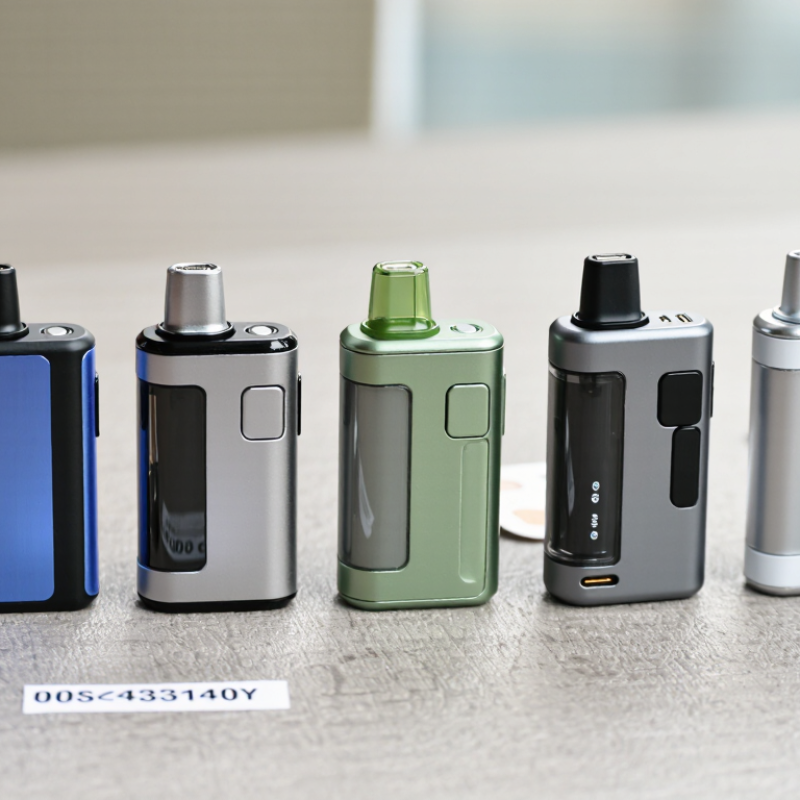
What Defines a Smart E-Cigarette in 2026
In 2026, a smart e-cigarette is more than a small device with a screen. It uses sensors, software, and safety controls to manage daily operation. Common types include connected pod systems, temperature-regulated devices, and compact rechargeable models. Each type serves different adult users and market requirements.
A useful device may record puff counts, battery health, and coil condition through an app. Some models adjust power when airflow changes. Others warn users about overheating, low liquid levels, or unusual charging behavior. A clear display helps users check settings without guessing. Child-resistant design, secure charging, and automatic shutoff are essential features. However, sensor readings are not always perfect. Data can become inaccurate after heavy use or poor cleaning.
Reliable buyers should examine technical documents, testing records, warranty terms, and regional compliance before ordering. Privacy also deserves attention. An app collecting usage data should explain storage, access, and deletion policies. Local rules may differ on nicotine content, packaging, advertising, sales, and device connectivity. Never assume one certification works worldwide. Ask for current evidence from the supplier. The category is still developing. “Smart” can describe useful control, but it can also become a marketing label. A careful evaluation should focus on verified safety functions, durable materials, repair options, and transparent instructions. Small details matter.
How Smart E-Cigarette Types Differ by Design and Technology
Smart e-cigarette types now differ more by control systems than by appearance. Compact pod devices favor simple handling, sealed cartridges, and automatic draw sensors. Refillable models offer adjustable airflow, replaceable coils, and wider power ranges. Larger devices usually include screens, physical buttons, and clearer battery information.
Technology changes the daily experience. Temperature control can reduce overheating when properly calibrated. Puff counters help users observe patterns, but they do not measure actual intake precisely. Some devices use Bluetooth applications for settings, usage records, or firmware updates. These functions may improve control. They may also collect sensitive data.
Design still matters. A mouthpiece that feels stable, a readable screen, and a protected charging port can matter more than flashy software. In product evaluations, I check battery protection, charging behavior, material quality, and clear operating instructions. Safety is not guaranteed by a “smart” label. Users should select products legally sold in their region and follow local age, nicotine, and recycling rules.
Small details matter. A bright screen can drain power quickly. A tight airflow setting may feel harsh for some users. Automatic sensors can misfire if condensation reaches the intake area. These weaknesses deserve attention, not marketing language. Smart technology is useful only when it supports predictable operation, transparent information, and responsible use by adults where permitted.
2026 Top E-Smart Cigarette Types for Global Buyers
How smart e-cigarette types differ by design and technology
The chart shows typical feature availability in mainstream device designs. A value of 1 means the feature is commonly available, while 0 means it is generally uncommon for that category. Refillable pods and pod-mods offer the broadest balance of customization and portability; box mods provide the highest control range; disposables and closed pods emphasize simplicity and convenience. Actual specifications vary by market, regulations, and product configuration.
Which Smart E-Cigarette Features Matter to Global Buyers
For adult buyers in legal markets, smart e-cigarette features should solve practical problems, not create visual noise. Battery safety, leak resistance, accurate liquid-level sensing, and clear nicotine information matter most. A device should feel stable in the hand, recharge without unusual heat, and show warnings before the battery becomes critically low. Small details matter.
The CDC’s 2023 National Youth Tobacco Survey recorded 2.13 million U.S. middle and high school students using e-cigarettes. This figure makes child-resistant design and reliable age controls essential purchasing criteria. Global buyers should also check local rules on sales, labeling, connectivity, and nicotine limits. The WHO continues to report major differences in e-cigarette regulation across countries, so one “smart” specification cannot fit every market.
Connectivity may help with battery monitoring, usage records, or firmware alerts, but it is not proof of quality. A 2024 Grand View Research analysis estimated strong double-digit growth for the global e-cigarette market, increasing pressure on suppliers to add features quickly. Some additions feel unnecessary. Puff counters can mislead when users inhale differently, while bright screens may drain batteries faster. I would prioritize replaceable safety controls, transparent data handling, and independent testing over decorative apps. Good engineering is quieter. It should work when the user is holding it beside a charging cable, a travel bag, and a printed compliance label.
How Regulations Shape Smart E-Cigarette Selection Worldwide
2026 Top E Smart Cig Types for Global Buyers?
How Regulations Shape Smart E-Cigarette Selection Worldwide
Smart e-cigarette selection now depends more on regulation than on screen size or app features. Closed-pod devices may suit markets requiring controlled cartridges and limited consumer modification. Refillable devices offer flexibility, but their tanks, liquids, labeling, and nicotine limits face different rules. Check the destination country first. It sounds obvious, yet buyers still overlook it.
The WHO Report on the Global Tobacco Epidemic 2023 shows major differences in electronic nicotine regulation worldwide. Some jurisdictions restrict sales, advertising, flavors, or online distribution. Others require product notification and laboratory documentation. The European Commission’s Special Eurobarometer 539 reported daily e-cigarette use at about 3% among EU respondents in 2023. This does not create one European rulebook. Customs, language, and packaging requirements still vary.
Youth protection also affects device design. The 2024 National Youth Tobacco Survey reported 1.63 million U.S. middle and high school students currently used e-cigarettes. Therefore, age-verification systems, child-resistant packaging, and neutral product information deserve serious attention. Connected devices add privacy questions, including data storage and remote access. Not every “smart” feature is useful. A bright display may impress buyers, but compliance records, battery certification, and traceable batch information matter more. Regulations change quickly, and even experienced buyers can misread a market. Verify the latest authority guidance before shipment.
How to Compare Smart E-Cigarette Types for Different User Needs
For global buyers, “smart” e-cigarette types should be compared by user needs, not screen size. Compact pod systems suit travelers who value simple controls, low weight, and measured use. Larger refillable devices offer adjustable power, longer battery life, and clearer temperature settings. Disposable-style products may appear convenient, but buyers should check local authorization and waste rules. Laws differ sharply between markets.
Independent data adds useful context. Grand View Research valued the global e-cigarette market at about USD 26.15 billion in 2023, showing strong demand for varied formats. However, market growth does not prove safety or suitability.
The World Health Organization states that electronic nicotine products are not risk-free and require careful regulation. That warning matters when comparing “smart” functions.
Look for battery protection, charging indicators, child-resistant design, and transparent liquid information. Avoid judging quality from app features alone. A puff counter can support self-monitoring, yet its accuracy may vary between devices. My practical preference is a simple interface with reliable safety controls. More technology is not always better. Buyers should also confirm independent test records, warranty support, and regional compliance before purchasing. These details often matter more than Bluetooth connectivity.