Why Choose Custom Private Label Shoes for Your Business?
In today's competitive footwear market, offering unique products is essential for any brand’s success. Custom Private Label Shoes provide an excellent opportunity for businesses to stand out. These shoes allow brands to create personalized designs that reflect their identity and values. Customers increasingly seek individuality in their purchases, making custom options appealing.
The importance of Custom Private Label Shoes extends beyond aesthetics. Brands can enhance their reputation by ensuring quality and craftsmanship. Working with reliable manufacturers enables businesses to maintain high standards. However, challenges remain. Finding the right supplier is not always straightforward. Brands must carefully assess their needs and the market demand to make informed decisions.
Many businesses overlook the potential of Custom Private Label Shoes. They may focus on generic products, missing out on a chance to connect with customers. A strong private label strategy can build loyalty and foster long-term relationships. It's crucial for businesses to reflect on their approach and adapt as needed. Embracing customization could be the defining factor for success in the rapidly evolving footwear industry.
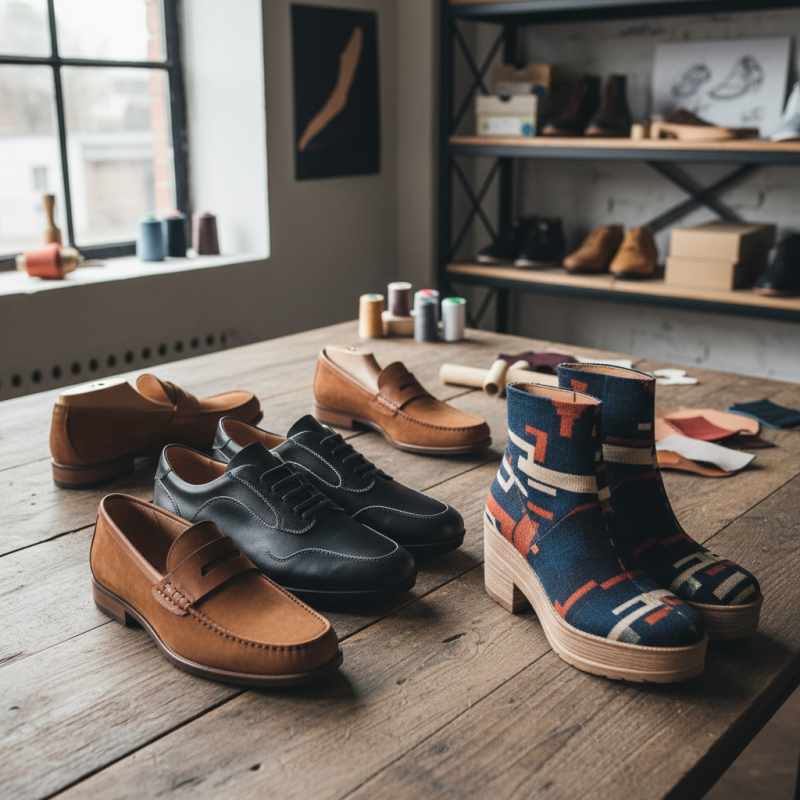
Benefits of Custom Private Label Shoes for Brand Identity Enhancement
Custom private label shoes can significantly enhance your brand identity. These shoes reflect your unique vision and values. When customers see your logo on quality footwear, they associate your brand with style and reliability. This connection can elevate customer loyalty and trust.
Creating custom shoes allows you to control design elements that resonate with your target audience. You can choose colors, materials, and styles that mirror your brand's personality. This level of customization fosters an emotional connection with consumers. They feel that your shoes are a genuine representation of their lifestyle.
Tips: Focus on identifying what your customers value. Create designs that evoke positive emotions, making your shoes feel personal. Encourage feedback on prototypes; this can lead to designs that truly resonate. Embrace imperfections; they often reveal areas for improvement and enhance the story behind your brand. Remember, authenticity speaks volumes.
Why Choose Custom Private Label Shoes for Your Business? - Benefits of Custom Private Label Shoes for Brand Identity Enhancement
| Benefit | Description | Impact on Brand Identity |
| Enhanced Brand Recognition | Custom private label shoes allow brands to have unique designs that stand out in the market. | Strong visual identity promotes customer loyalty and easier recall. |
| Control Over Quality | Brands can specify materials and manufacturing processes to ensure high quality. | High-quality products build trust and a positive reputation. |
| Increased Profit Margins | By selling custom shoes, brands can set higher price points compared to generic options. | Higher profitability allows for better branding and marketing investments. |
| Unique Customer Experience | Offering personalized designs enhances the customer shopping experience. | A unique experience fosters customer loyalty and repeat purchases. |
| Flexibility and Agility | Brands can quickly adapt styles based on trends and customer feedback. | Responsive branding boosts relevance in a competitive market. |
Market Analysis: Growth of Custom Shoe Industry and Consumer Demand
The custom shoe industry has been experiencing robust growth in recent years. Consumers are seeking unique styles that reflect their individual identities. This trend opens doors for businesses to tap into a burgeoning market. Customized shoes offer a blend of personal expression and functional needs. Many shoppers are willing to invest more for a design that is distinctly theirs.
Market research shows a significant increase in demand for private label shoes. This growth aligns with the rise of e-commerce. Online platforms make it easier for brands to reach their target audience. However, not all entries succeed. Many struggle with sourcing, production, and marketing. Understanding consumer preferences is crucial. Businesses need to analyze trends and adapt quickly.
Sustainability has also become a key concern. Customers prefer eco-friendly materials and ethical practices. Brands that embrace this focus can resonate better with today’s consumers. Yet, challenges remain. Staying relevant in a saturated market requires constant innovation. Business owners must reflect on their strategies regularly. The landscape is evolving, and those who adapt can thrive.
Cost Efficiency: Comparing Custom Private Labels vs. Branded Shoes
When considering footwear for your business, custom private label shoes often emerge as a preferred option. They offer significant cost efficiency compared to mainstream branded shoes. Industry reports reveal that custom private labels can save businesses up to 30% on production costs. This is particularly relevant for small to mid-sized enterprises looking to control expenses while maintaining quality.
Branded shoes usually come with hefty margins. The average mark-up on branded footwear can reach 100% or more. This high pricing is often due to extensive marketing and reputation costs. Custom private labels, on the other hand, eliminate these excess expenses. Businesses can invest that extra budget into unique designs or improved materials, thus enhancing value without inflating prices.
One must also consider the trade-offs. While custom labels provide cost benefits, they may lack the established recognition of well-known brands. Market introduction can be challenging without a brand's backing. However, building a distinctive private label can foster unique brand loyalty over time. This requires strategic marketing and quality assurance. The initial investment in custom designs or better production lines might be significant, but the potential return on investment can make it worthwhile for many business owners.
Quality Control: Ensuring Superior Materials in Private Label Production
Custom private label shoes can significantly impact your business's success. Quality control is crucial in this process. With the growing demand for personalized footwear, businesses must ensure superior materials are used in production. According to a report by Allied Market Research, the global footwear market is expected to reach $500 billion by 2027. High-quality materials play a vital role in capturing consumer interest.
Tightly controlling quality prevents potential issues. Materials should be sourced from reliable suppliers who maintain high standards. In a survey conducted by Statista, 70% of consumers stated they would pay more for better quality products. This highlights the importance of investing in quality to guarantee customer satisfaction and loyalty.
Tips for ensuring quality: conduct regular audits on suppliers. Establish clear communication to set expectations. Testing materials before production can help identify issues early, avoiding costly mistakes. Reflecting on the importance of consistent quality can lead to stronger brand reliability and increased sales over time. Failure to address quality concerns can result in dissatisfied customers and damaged reputations.
Consumer Trends: The Rise in Personalized Footwear Preferences
The demand for personalized footwear is rapidly growing. Consumers want shoes that reflect their unique style and personality. Custom private label shoes offer this opportunity. Businesses can tap into this trend by providing tailored options that cater to individual preferences.
When creating custom footwear, consider the materials. High-quality materials will enhance the overall appeal. Also, focus on the design aspect. Engaging designs can attract a wider audience. Remember, not every choice will please everyone. Listen to feedback and be willing to adapt based on consumer preferences.
Tips: Use surveys to gauge customer interests. Fine-tune your offerings based on this data. Encourage creativity by allowing customers to contribute to designs. This not only increases engagement but also builds brand loyalty. Understand that while it’s important to innovate, not every idea will resonate well. Periodically revisit your strategies to ensure alignment with market trends.