10 Best Custom Drapery Fabric Options for Every Home Style?
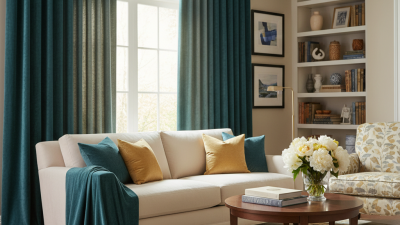
When it comes to home décor, the right custom drapery fabric can make all the difference. It adds personality, warmth, and elegance to any room. Each home has its own style, and choosing a fabric that aligns with that can be both rewarding and challenging.
There are countless options available, from luxurious silks to durable linens. Each fabric has its own texture, pattern, and color that can complement or clash with your home’s aesthetic. It’s easy to feel overwhelmed by the choices. This is where careful consideration plays a vital role.
Selecting the perfect custom drapery fabric can be a reflection of your personal taste. However, it’s essential to remain flexible. Sometimes our initial choices may not work as well in reality as we imagined. Flaws in fabric or design ideas can lead to unexpected outcomes. Embracing this process can lead to beautiful results, even if it requires some trial and error.
Exploring the Importance of Custom Drapery Fabrics in Home Design
Custom drapery fabrics play a crucial role in elevating home design. They not only enhance aesthetics but also improve functionality. According to a recent industry report, 65% of homeowners believe that window treatments significantly impact the overall look of their interiors. Choosing the right fabric can transform a room from ordinary to extraordinary.
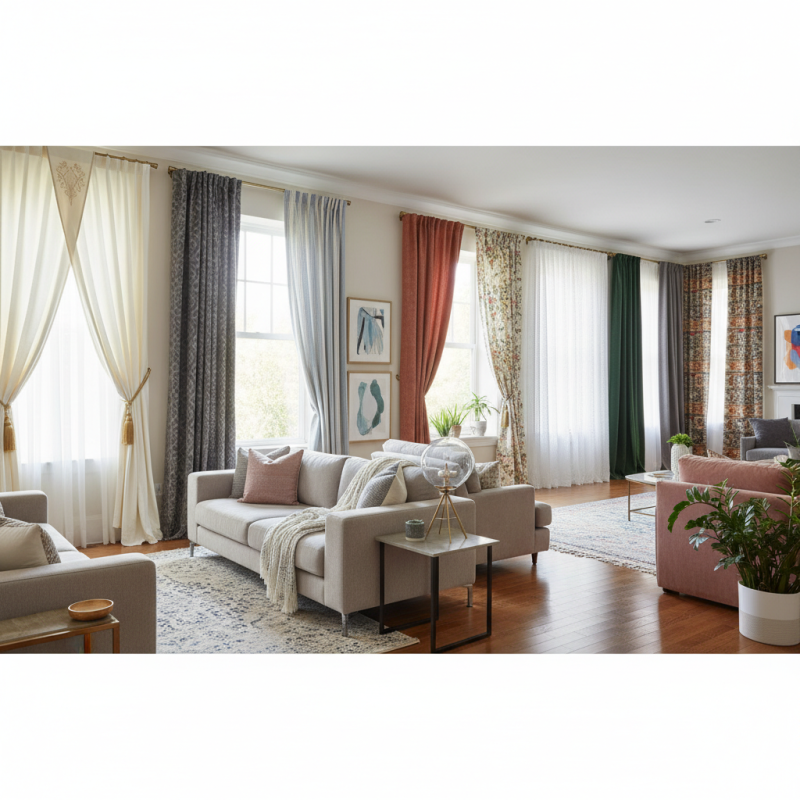
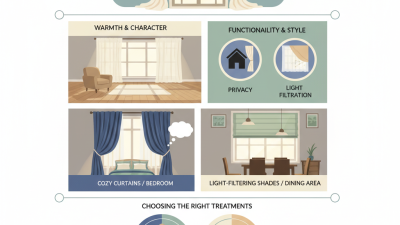
When selecting drapery fabrics, consider your home style. Modern homes may benefit from sleek, minimalist designs, while traditional settings may call for rich, textured fabrics. Think about how the fabric interacts with light. Light-filtering materials can create warmth, while heavier fabrics add drama. Always prioritize durability for longevity. Fabrics that can withstand wear are essential for high-traffic areas.
**Tip:** Don’t shy away from mixing patterns. Mixing can add depth. Choose one dominant pattern and complement it with supporting designs.
Custom drapery also has practical benefits. They can enhance energy efficiency and provide privacy. However, the cost of custom fabrics can vary greatly. This means it's important to set a budget beforehand. Think carefully about your needs. You might find that less expensive options can still meet your design goals.
**Tip:** Test fabric swatches at different times of day. This will help you see how they look in various lighting conditions. Be open to making adjustments based on actual observations.
Classic Fabrics: Timeless Choices for Traditional Home Styles
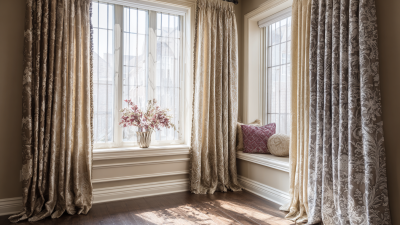
For those embracing traditional home styles, classic fabrics in drapery can elevate your space. Rich textiles like velvet and brocade add depth and elegance. These fabrics drape beautifully, creating a luxurious atmosphere. They invoke a sense of history and sophistication, making them ideal for traditional aesthetics. Defining a room’s character often begins with fabric selection.
When choosing a timeless fabric, consider the color palette. Deep hues like burgundy or navy can create a warm ambiance. Lighter shades, such as cream or pastel, offer a fresh, airy feel. Don’t be afraid to mix textures. A combination of smooth and textured fabrics can add visual interest. Think about how the fabric feels against the skin. Some options may feel stiff, lacking comfort.
Tips: Measure your windows carefully. Ensure the fabric can accommodate the right amount of light. Test fabric swatches in your space before making a decision. Lighting plays a crucial role in how colors appear. And remember, a single small error in measurements can lead to disappointments. Perfectly finished curtains can elevate your home, but don’t overlook the joy of imperfect creativity. Embrace the learning journey with each fabric choice.
10 Best Custom Drapery Fabric Options for Every Home Style - Classic Fabrics: Timeless Choices for Traditional Home Styles
| Fabric Name |
Material |
Pattern |
Color Options |
Best For |
| Silk Shantung |
Silk |
Solid |
Cream, Gold, Ivory |
Traditional, Elegant |
| Jacquard |
Cotton/Polyester |
Patterned |
Blue, Red, Gold |
Classic, Period Decor |
| Linen Blend |
Linen/Cotton |
Textured |
Natural, Beige, Soft Green |
Casual, Rustic |
| Velvet |
Cotton/Silk |
Solid |
Emerald, Burgundy, Navy |
Luxurious, Opulent |
| Damask |
Polyester |
Intricate Pattern |
Black, Silver |
Formal, Elegant |
| Cotton Canvas |
Cotton |
Solid |
White, Off-white |
Transitional, Modern |
| Brocade |
Silk/Cotton |
Floral, Ornamental |
Red, Gold, Cream |
Heritage, Formal Events |
| Taffeta |
Polyester |
Solid, Crisp |
Pastel, Bold Colors |
Wedding, Special Occasions |
| Muslin |
Cotton |
Plain |
Natural, Light |
Basic, Casual |
| Chenille |
Acrylic/Cotton |
Textured |
Earthy Tones, Jewel Tones |
Cozy, Inviting |
Modern Fabrics: Sleek and Stylish Options for Contemporary Spaces
When it comes to modern fabrics, choosing the right drapery can elevate any contemporary space.
Sleek materials such as silk blends and linen offer a sense of luxury.
According to industry experts, linen remains a top choice for its breathability and natural texture.
Many homeowners are now embracing these textiles for their aesthetic and functional benefits.
A recent study revealed that 55% of designers prefer lightweight fabrics in modern interiors.
These materials create a bright, open atmosphere while allowing natural light to filter through.
Geometric patterns and bold colors can further enhance a contemporary look.
However, it's essential to balance these elements carefully.
Overly busy designs may overwhelm a room’s simplicity.
Customization is key in modern drapery. Homeowners are opting for unique prints and textures.
This allows for a more personal touch in their spaces.
Yet, not every choice leads to a harmonious outcome. Some may find their selections clash with existing decor.
The challenge lies in achieving that perfect blend of style and comfort.
Exploring various fabric options can lead to exciting but sometimes imperfect results.
Eco-Friendly Fabrics: Sustainable Choices for Eco-Conscious Homes
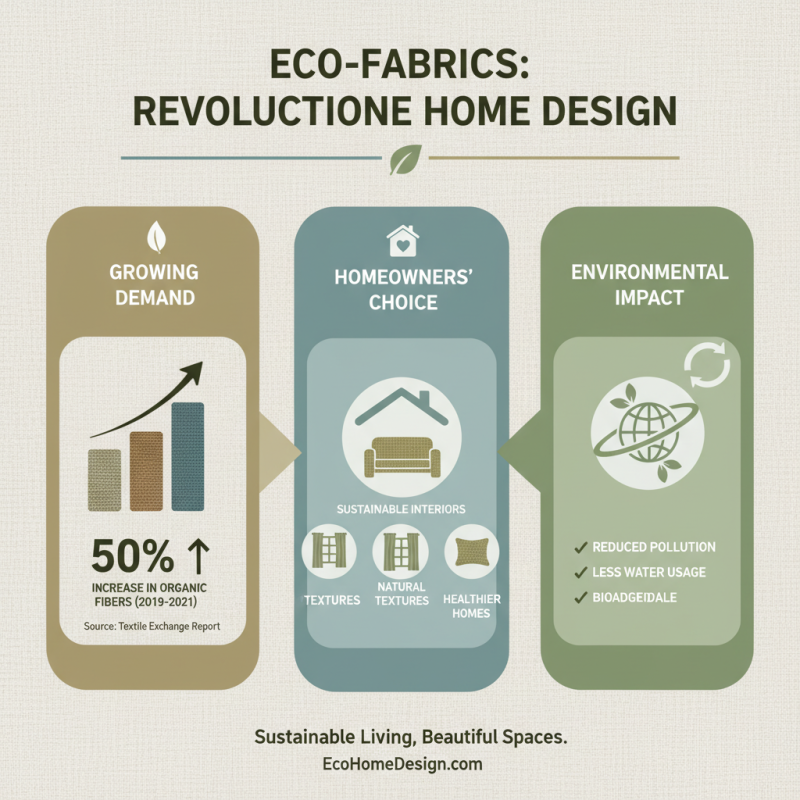
Eco-friendly fabrics are transforming home design. More homeowners seek sustainable options for interiors. According to a recent report by the Textile Exchange, the global demand for organic fibers increased by 50% from 2019 to 2021. This shift reflects a growing awareness of environmental impact.
Natural fibers like hemp and organic cotton are gaining popularity. These materials require less water and pesticides than conventional fabrics. For example, hemp uses up to 75% less water compared to cotton. Sustainable fabrics contribute to healthier living spaces. They reduce indoor air pollution, which has become a significant concern. The World Health Organization states that poor indoor air quality affects millions worldwide.
Yet, the challenges remain. Some eco-friendly fabrics are more expensive. Budget-conscious consumers may hesitate to invest in these options. Additionally, the availability of sustainable materials varies greatly by region. This inconsistency can limit choices for homeowners. Educating clients about the benefits and trade-offs of eco-friendly drapery can improve decision-making. Embracing sustainability in home décor should not only be a trend but a lasting commitment to the planet.
Textured Fabrics: Adding Depth and Dimension to Any Room Design
Textured fabrics can truly transform a room. They add depth and dimension that flat materials often lack. Think about using heavy linen or soft velvet. Both can create a warm, inviting atmosphere. A mix of these fabrics can also spark visual interest. Imagine a rich, textured drape paired with smooth sheers. This contrast can enhance the overall design.
Using textured fabrics invites exploration. Touch them, see how light interacts with the surface. A rough burlap can evoke a rustic charm. On the other hand, wool blends can bring in a cozy, modern vibe. Each fabric tells its own story and can change the feel of your space dramatically. However, too many textures may clash. It's important to find a balance, ensuring harmony in your design.
Consider colors as well. A deep green velvet might evoke sophistication, while light linen could feel airy and relaxed. Textured fabrics work best when you’re mindful of their application. Don’t be afraid to experiment, but think about the emotions they evoke. This reflection can guide your choices towards a harmonious and inviting environment.