
Blog

How to Choose the Best Hydrolyzed Whey Protein Powder for Bulk Buying?

Buying Hydrolyzed Whey Protein Powder in bulk can lower the cost per serving, but a large order also magnifies small mistakes. A powder that looks suitable on a product page may arrive with a texture your customers dislike, unclear labeling, or a shelf life that is too short for your sales pace. Details matter.

Start with the formula, not the discount. Check the protein content per serving, ingredient list, serving size, and available allergen information. Hydrolyzed whey is processed into smaller protein fragments, but the degree of hydrolysis and the finished product can differ between suppliers. Ask for a current specification sheet and, where available, a certificate of analysis for the batch. Do not treat a marketing claim as a substitute for documentation. Taste-test a sample, too. It may be bitter.

Bulk buying also calls for careful supplier checks. Compare minimum order quantities, packaging options, lead times, storage instructions, and policies for damaged or delayed shipments. Confirm the production date and best-before date before committing to a pallet. A lower unit price is not useful if stock sits unsold or arrives with little remaining shelf life. I would also check whether quotes include shipping and handling; it is an easy detail to miss.

The right choice depends on your customers, budget, and expected turnover—not on one “best” product for everyone. This guide outlines practical ways to compare quality, documentation, suppliers, and total landed cost. Some checks take time. They are still worth doing before a large purchase.
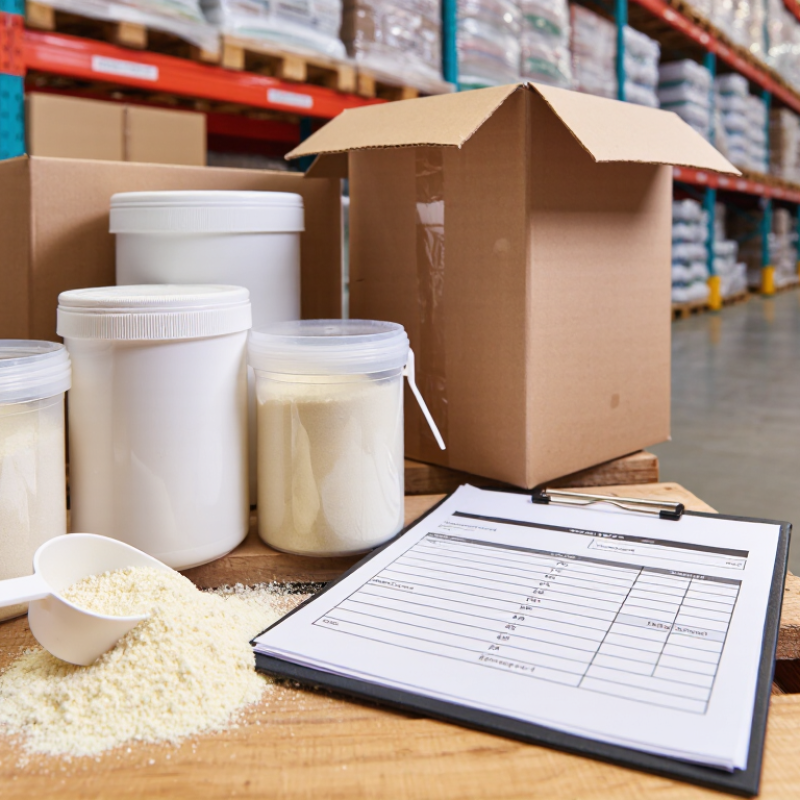
How to Choose the Best Hydrolyzed Whey Protein Powder for Bulk Buying?

Understand Hydrolyzed Whey Protein and Define Bulk-Buying Needs

Hydrolyzed Whey Protein is whey that has been broken into smaller peptides through enzymatic processing. This can make it easier to mix and may support rapid digestion, but it does not automatically make the powder more effective for muscle growth.

Check the protein amount per serving, ingredient list, and independent testing details. A label can look convincing. Still, the serving size may include flavoring or other ingredients, so compare protein grams per 100 grams of powder.

Define your bulk-buying needs before choosing a tub or sack. The International Society of Sports Nutrition’s 2017 position stand suggests 1.4–2.0 grams of protein per kilogram of body weight daily for most exercising people, with roughly 20–40 grams at a meal.

Use these figures as general guidance, not a personal prescription. Estimate how many servings you will actually use each week, then check cost per serving, storage space, and the product’s best-before date.

A large bag is poor value if it clumps in a humid pantry. I’ve seen buying plans change after training schedules shift. That part is easy to overlook.

The ISSN also notes that total daily protein matters more than choosing one specific protein form. Choose a quantity you can finish while it remains fresh.

Compare Protein Content, Hydrolysis Level, and Ingredient Quality

When choosing hydrolyzed whey protein for bulk buying, compare the nutrition panel per serving, not just the large number on the front of the bag. Check how many grams of protein each scoop provides and how much of the product is carbohydrate, fat, or added flavoring. A scoop weighing 30 grams with 22 grams of protein differs meaningfully from one delivering 27 grams. Serving sizes can vary, so calculate protein per 100 grams for a fair comparison.

Hydrolysis breaks some whey proteins into smaller peptides, but “more hydrolyzed” does not automatically mean better for every buyer. Hydrolysis levels and measurement methods may differ between suppliers, and labels do not always make comparisons easy. Ask for a current specification sheet that identifies the protein source and provides relevant quality data. If the powder is intended for a particular dietary need, consult a qualified health professional rather than relying on a product description. Small details matter.

Review the ingredient list and request batch documentation before ordering a large quantity. Look for clear ingredient names, sensible flavoring, and no unnecessary fillers for your intended use. Check whether the supplier can provide a certificate of analysis and information on testing for protein content and contaminants. Packaging matters, too: inspect the seal, storage guidance, and best-before date. A bulk price can look attractive, but a sample may reveal clumping or a flavor your team dislikes. I have seen buyers overlook that practical point. Compare total usable servings, not merely the cost per kilogram.

Assess Product Testing, Certifications, and Supplier Reliability

How to Choose the Best Hydrolyzed Whey Protein Powder for Bulk Buying?

Assess product testing, certifications, and supplier reliability before comparing price per kilogram. Ask for a recent certificate of analysis tied to the specific lot you may purchase. It should identify protein content, moisture, and relevant microbiological results. Check whether testing was performed by an independent laboratory, not only reported in a sales sheet. Details matter. A printed certificate without a matching lot number is weak evidence.

Review the testing method and the scope of any certifications. A quality-management certificate may describe factory processes, but it does not prove every batch meets your specifications. Request documentation for allergen controls, traceability, and handling practices. If your order arrives as sealed bags, inspect lot codes and packaging condition before accepting delivery. Keep a sample from each shipment. That small habit can help resolve disputes later.

Supplier reliability shows up in ordinary details: clear lead times, consistent specifications, and prompt answers when something changes. Ask how the supplier manages delayed shipments or out-of-range test results. A trial order can reveal more than a polished presentation. Watch for vague replies. Even a reputable supplier may provide incomplete paperwork at first; that is not automatically a warning sign, but it deserves follow-up. Compare written commitments with delivered product, and record any differences before placing a larger order.

Calculate Cost per Serving, Shelf Life, and Suitable Order Size

Bulk buying hydrolyzed whey protein powder can lower the unit price, but the tub price alone is not enough. Divide the total delivered cost by the number of labeled servings to find the cost per serving. Include shipping, taxes, and any price breaks that apply only to larger orders. Then check the serving size: a scoop’s weight and protein content can differ across products. Compare like with like, rather than judging by the front label. Small details matter.

Shelf life sets a practical limit on savings. Check the best-before date on the actual lot, not just the product page, and estimate how many servings your household uses each week. Store sealed powder in a cool, dry place, away from steam and direct sunlight. Once opened, moisture can make powder clump; a damp scoop is a bad idea. A large order may look efficient, yet leave tubs sitting for months. That is not always a bargain.

Choose an order size you can reasonably use before the stated date, allowing for travel, routine changes, and occasional missed servings. For example, estimate weekly use, multiply by the weeks remaining before the date, then order below that total rather than exactly at it. Keep some margin. Supplier stock dates and delivery timing are not always clear, and I would verify both before paying for a pallet. The arithmetic helps, but it cannot remove every guess.

How to Choose the Best Hydrolyzed Whey Protein Powder for Bulk Buying? — Calculate Cost per Serving, Shelf Life, and Suitable Order Size
Order Quantity Illustrative Price per kg (USD) Cost per 30 g Serving Approx. Servings per Order Estimated Use at 1 Serving per Day Order-Size Suitability
1 kg $38.00 $1.14 33 About 1 month Useful for a first purchase, sampling, or low-volume use; usually limits the risk of holding excess stock.
5 kg $34.00 $1.02 About 167 About 5½ months May suit an individual or small group with regular use, provided the product can be stored properly and used before its best-before date.
20 kg $30.00 $0.90 About 667 About 22 months for one person More appropriate for multiple regular users or a business with predictable demand; verify shelf life and packaging before ordering.
50 kg $27.00 $0.81 About 1,667 About 4½ years for one person Generally better suited to a distributor, gym, or other high-volume buyer. A single user would likely need to share or resell the stock.
Calculation basis: Cost per serving = price per kg × 0.03 kg. Servings per order = order weight in kg ÷ 0.03 kg, rounded to the nearest whole serving. Prices are illustrative bulk-buying estimates, not supplier quotations.

Shelf-life check: Many dry protein powders carry a best-before date roughly 12–24 months after manufacture, but the actual period varies by product, packaging, and storage conditions. Confirm the remaining shelf life with the seller before purchasing, follow the product label, and keep opened powder sealed in a cool, dry place. Choose an order size you can use before the stated date; the estimates above assume one 30 g serving per day.

Review Packaging, Storage Requirements, and Bulk Purchase Terms

How to Choose the Best Hydrolyzed Whey Protein Powder for Bulk Buying?

For a bulk order, inspect the package before comparing price per kilogram. A sealed, moisture-resistant bag helps protect powder during shipping and storage. Check that the label shows a lot number, expiry date, serving size, and clear storage instructions. Large tubs may seem convenient, but they can take up shelf space and expose more powder to humid air after opening. Choose a package size your household can use before its best-before date. Small details matter.

Storage conditions can change the value of a good deal. Keep unopened bags in a cool, dry place, away from sunlight and strong odors. After opening, reseal the package tightly or transfer the powder to a clean, airtight container. Use a dry scoop; even a little moisture can cause clumps. Bulk-buying terms deserve equal attention. Confirm minimum order quantities, shipping costs, delivery dates, and the seller’s policy for damaged or short-dated goods. Request current product and batch information when available. I would not assume every discount is worthwhile; delivery fees can quietly erase the savings.

Tips: Compare cost per serving, not just package price. Check the seal on arrival. Keep the receipt and batch details. If storage space is limited, buy less. That may be wiser.

How to Choose the Best Hydrolyzed Whey Protein Powder for Bulk Buying

Compare package sizes by the approximate number of 30 g servings they provide. A larger order can reduce repurchasing frequency, but check storage capacity, moisture protection, shelf life, and bulk purchase terms before buying.

Serving counts are calculated from package net weight ÷ 30 g and rounded down. Actual serving sizes vary by product; follow the product label. Store powder sealed in a cool, dry place according to the manufacturer’s instructions.