
Blog

What Is the Best Louvered Pergola to Buy in 2026?

In 2026, the best Louvered Pergola is not simply the most stylish model or the one with the longest feature list. It should suit your space, weather, budget, and plans for installation. A patio exposed to afternoon sun may need a different design from a sheltered deck. Small details matter: the width of the louvers, the sound of the motor, and where rainwater drains.

This guide compares the features worth checking before you buy, including frame materials, wind and water management, controls, warranty terms, and maintenance needs. Product specifications can help, but they do not tell the whole story. A motor’s noise, for instance, may matter more when the pergola sits beside a bedroom. Check what the warranty covers, and confirm whether installation is included or priced separately. These points are less glamorous than color choices. They can affect daily use.

There is no universal winner. Local climate, available space, and installation conditions can change which model makes sense. Ratings and product descriptions also cannot predict every real-world result. That deserves a little skepticism. Use the comparisons ahead to narrow your options, then verify current specifications with the manufacturer or seller before purchasing. A careful choice may take longer, but it is better than discovering that the louvers block the view you hoped to keep.
What Is the Best Louvered Pergola to Buy in 2026?

What a Louvered Pergola Is and How Its Roof Works

What Is the Best Louvered Pergola to Buy in 2026?
What a Louvered Pergola Is and How Its Roof Works

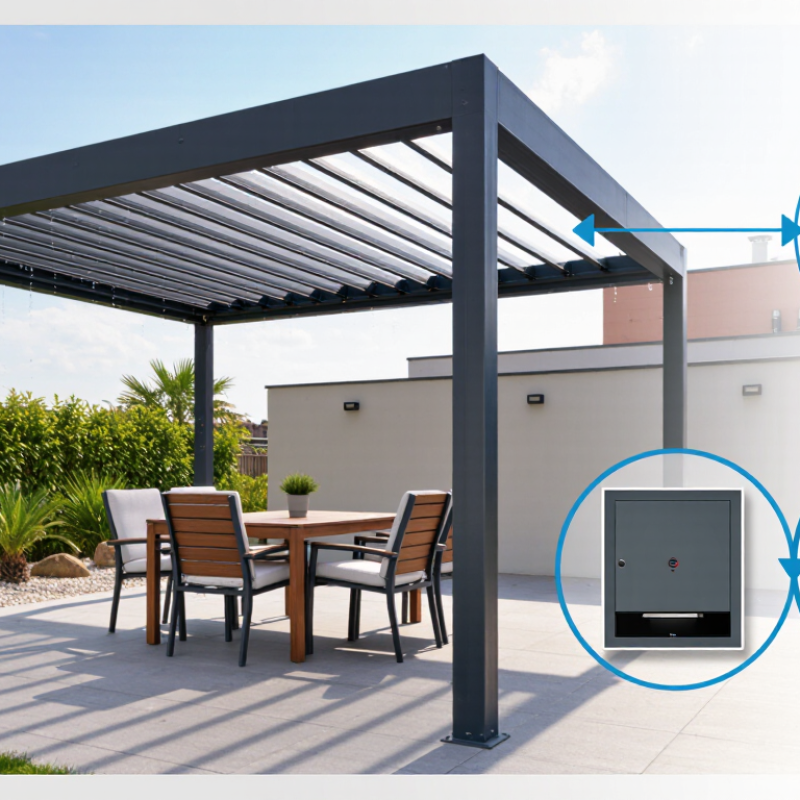
A louvered pergola has a roof made from narrow, pivoting slats. Turn a handle or use a motor to change their angle. Open slats let sunlight and warm air pass through. Tilted slats offer shade while leaving small gaps for airflow. It is a flexible roof, not simply an open frame.

When closed, the slats usually overlap to shed rain toward built-in gutters and downspouts. Water then drains through the posts or along the frame, depending on the design. Check where the water exits before choosing a location; a drip beside a doorway can be annoying. Also check the stated wind and snow limits. A closed roof is not automatically a weatherproof room, and performance varies by construction and installation.

Tips: Ask how the louvers operate during a power outage if the roof is motorized. Look for accessible drainage channels you can clear of leaves. No setting suits every forecast. I would treat the roof as adjustable protection, not a promise that every outdoor gathering stays dry.

Key Features That Define a Quality Pergola in 2026

What Is the Best Louvered Pergola to Buy in 2026?

Key Features That Define a Quality Pergola in 2026

A quality louvered pergola should handle changing weather without making everyday use complicated. Check that the louvers move evenly and close with a consistent fit. Aluminum construction can resist rust, but finish quality and drainage design matter too. Look for gutters and downspouts that guide rain away from seating areas, not onto the patio edge. Ask for wind and snow-load ratings suited to your location. A polished appearance is useful, but it cannot replace clear performance specifications.

Tips: Open and close the louvers before buying. Ask what happens during a power outage, and check whether manual operation is available. Confirm that the installer will anchor the structure to your actual surface. Measure twice. Small details matter.

Also consider service access, replacement parts, and the warranty’s specific exclusions. A motorized system may be convenient, yet it adds components that could need attention later. I would compare the total installed cost, not just the frame price. One detail is easy to overlook: a pergola can shade a table at noon but leave it exposed later as the sun shifts. Check the orientation and nearby walls before choosing the louver direction. There is no perfect setup for every yard; the best choice balances weather protection, maintenance, and how you actually use the space.

How to Compare Materials, Controls, and Weather Protection

The best louvered pergola depends on your climate, not just its finish. Powder-coated aluminum is light and generally needs less routine care than timber, but inspect coating specifications and hardware materials before buying. Near salt air, ask about corrosion testing. Timber offers a warmer look, yet expect periodic sealing. Feel the difference in person if you can.

Controls matter on an ordinary Tuesday. A manual crank is simple; a motorized system is easier when louvers need frequent adjustment. Rain and wind sensors can respond automatically, but they still need power and correct installation. Ask what happens during an outage. Check the paperwork. Look for published wind and snow-load ratings for the complete structure, not only the louvers, and confirm how water drains from the frame.

Weather protection needs evidence. NOAA counted 27 U.S. weather and climate disasters costing at least $1 billion each in 2024; that national figure cannot predict your site, but it underscores the value of planning for local extremes. For nearby windows, the U.S. Department of Energy reports that awnings can cut summer solar heat gain by up to 65% on south-facing windows and 77% on west-facing windows. Those are awning figures, not pergola performance. Ask sellers for test data on rain handling, wind limits, and control response. A little skepticism helps.

Which Pergola Type Fits Your Outdoor Space and Climate

Choosing the right pergola starts with the weather and the way you use your outdoor space. Adjustable louvered roofs suit changeable climates: open the slats for winter sun, then angle them to reduce glare on a hot afternoon. They can also shed rain when closed, but only if the roof and drainage system are designed for it. Check how water exits before placing the structure beside a doorway or patio furniture. Small details matter.

In dry, mild regions, a fixed open-slat pergola may provide enough filtered shade with less moving hardware. For coastal areas, ask about corrosion-resistant materials and fasteners; salty air can wear down ordinary finishes. In snowy or windy locations, verify the structure’s local load ratings rather than relying on appearance. A sturdy-looking frame is not proof. Timber can bring warmth, but it needs regular care, especially where rain lingers. Aluminum often asks for less upkeep, though its finish and construction still deserve scrutiny. Measure the sun’s path, note where water collects after a storm, and consider whether you will actually adjust the louvers. That last part is easy to underestimate.

What to Check Before Buying and Installing a Pergola

Before buying a louvered pergola, measure the space at ground level and above. Check door swings, window access, and the path people use to reach the yard. Track where afternoon sun falls; a pergola that shades the patio at noon may not block low evening glare. Confirm the open and closed louver positions leave enough clearance near walls, gutters, and tree branches. Small details matter. Ask for written wind and snow-load ratings suited to your site, not just a general claim of durability. Product diagrams can make installation look simpler than it is.

Inspect the proposed footing locations for buried utilities, slopes, and drainage routes before work begins. Water should not pool around posts or run toward the house. Check local permit requirements and ask whether the installer will provide drawings or handle inspections. For a wall-mounted design, have the attachment checked against the wall’s structure; siding alone may not support the load. Review how the louvers are operated during power loss, and ask what routine cleaning and lubrication involve. I would leave room in the budget for site-specific adjustments. A level patio or clear wall is never guaranteed. Read the warranty for coverage limits, especially for finish wear and moving parts.

What Is the Best Louvered Pergola to Buy in 2026? — What to Check Before Buying and Installing a Pergola
Pergola Type Best For Louver Operation Key Advantages Things to Check Before Buying Installation Considerations
Manual-adjustment louvered pergola Smaller patios and buyers who want a straightforward, lower-complexity setup. Louvers are adjusted by a hand crank or similar manual mechanism. The available tilt range varies by design. No electrical connection is needed for louver adjustment; fewer electrical components can mean simpler maintenance. Test the crank position and effort, confirm the louvers can be adjusted from the planned seating area, and ask how the mechanism is serviced. Plan for unobstructed access to the crank. Confirm the frame can be securely anchored to the intended surface.
Motorized louvered pergola Regular outdoor use, larger covered areas, and convenient adjustment at the touch of a control. An electric motor tilts the louvers using a wall control, remote, or compatible control system. Convenient operation and easier adjustment when louvers are difficult to reach manually. Check the power requirements, motor and control warranty, manual operation procedure during a power outage, and whether wiring is included. Plan the electrical route before installation. Electrical work should follow local requirements and be completed by a qualified professional where required.
Motorized pergola with weather sensors Owners who want automated responses to changing weather conditions. Motorized louvers may respond to compatible rain, wind, or other sensors; supported functions vary by system. Can reduce the need to adjust the louvers manually when conditions change. Confirm which sensors are included, what conditions trigger movement, whether settings can be changed, and what happens during a power or network failure. Choose a sensor location that is suitable for accurate readings. Do not assume automation replaces the need to follow the product’s weather limits.
Freestanding louvered pergola Gardens, poolside areas, or patios where the structure should stand independently of the house. Available with manual or motorized operation, depending on the configuration. Can be positioned away from the home and does not rely on a house wall for support. Verify the required footing or base design, overall dimensions, drainage direction, and the manufacturer’s stated wind and snow limitations. Check underground utilities and local setback rules before digging or pouring footings. The supporting surface must suit the specified anchors.
Wall-attached louvered pergola Patios directly beside a suitable house wall, where a more integrated layout is preferred. Available with manual or motorized operation, depending on the configuration. Can create a continuous transition between indoor and outdoor living areas. Confirm that the wall construction and attachment details are suitable. Check flashing, water management, and how the pergola connects to the building. Attachment should be designed for the actual wall structure, not just the exterior finish. Review permits and building requirements before work begins.
Before choosing a size Any installation where comfortable use and safe clearances matter. Measure the full footprint, including posts, beams, and any operating components. Careful measuring helps avoid blocking doors, windows, walkways, or existing outdoor equipment. Check the product’s outside dimensions, post locations, minimum clearances, and whether the planned furniture fits beneath the structure. Mark the proposed footprint on the ground and verify door swings, paths, drainage, and access for installation.
Before approving the structure All buyers, especially in areas with strong winds, heavy snow, or strict building rules. Ask for documentation for the exact size and configuration being purchased. Product-specific engineering information is more useful than general claims about pergolas. Request the stated wind and snow ratings, anchoring requirements, material and finish details, warranty terms, and maintenance instructions. Ratings depend on the specific product and installation. Check local permit, zoning, height, and property-line requirements. Use the specified anchoring method and a level, adequately prepared base.
Before final installation Every installation, whether DIY or professionally installed. Cycle the louvers through their full operating range after assembly. Early checks can reveal alignment, control, or drainage issues before the structure is put into regular use. Confirm all parts are present, fasteners are tightened as specified, louvers move freely, and gutters or drainage outlets are unobstructed. Follow the assembly instructions for the chosen surface and configuration. Keep water discharge away from entrances, foundations, and neighboring property.

Buying tip: The best choice depends on your site, budget, preferred controls, and local conditions. Compare complete specifications and installation requirements for the exact configuration before ordering.