What is the Best Soft Window Treatments for Your Home?
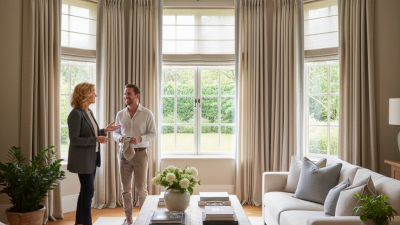
When choosing the right soft window treatments for your home, it’s essential to consider both practicality and aesthetics. Soft window treatments, such as drapes, curtains, and shades, can transform any space. They add warmth and coziness while also providing light control and privacy. The variety of fabrics, colors, and patterns can suit any style, from modern to traditional.
Selecting soft window treatments involves understanding specific needs. For instance, heavy fabrics might block more light, while sheer options can create an airy feel. Moreover, textures can contribute to the room's atmosphere. However, one must remember that the wrong choice might lead to a mismatched design. It's essential to reflect on your existing decor before making a decision.
Soft window treatments also require regular maintenance. Dust and sunlight can wear on fabrics over time. It’s crucial to weigh the effort against the beauty they add. Ultimately, finding the best soft window treatments can enhance not only your home's comfort but also its overall appeal.
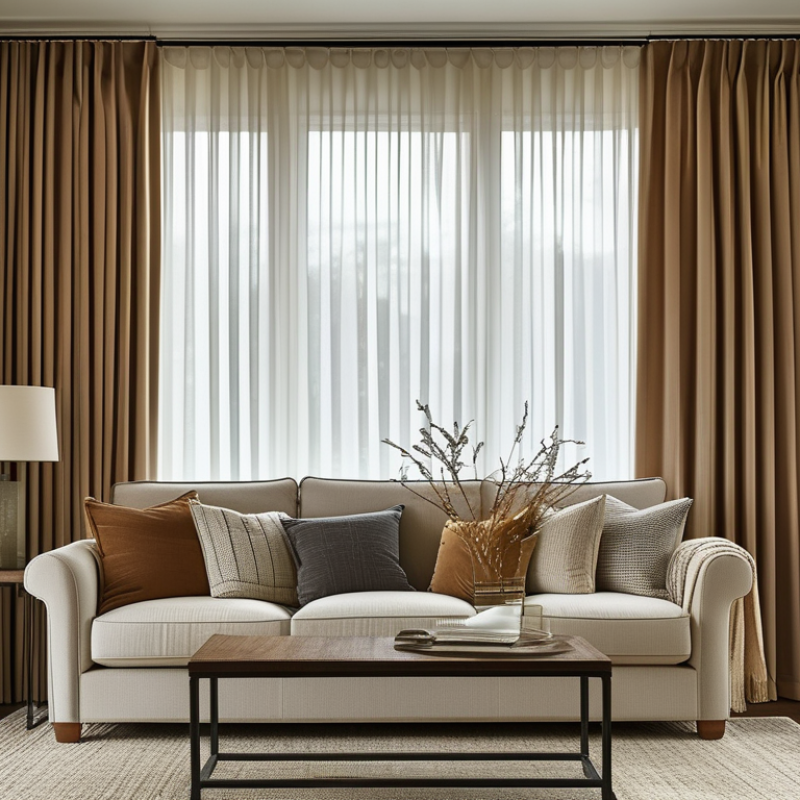
Types of Soft Window Treatments: An Overview
When considering soft window treatments, understanding various types is essential. Drapes, curtains, and shades are popular choices. Each offers unique aesthetics and functionality. According to recent industry reports, approximately 35% of homeowners prefer curtains for their living rooms, emphasizing their decorative qualities and light control.
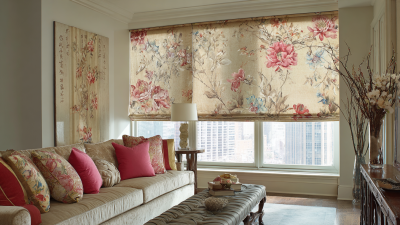
Drapes provide elegance and insulation. They come in various fabrics, allowing for personalization. Shades, on the other hand, are practical with options like Roman and roller styles. These types are ideal for those seeking practicality without sacrificing style. Around 47% of consumers report increased comfort due to effective light blocking from shades.
**Tip:** Choose materials that complement your home’s theme. Light fabrics work well in bright spaces, while heavier fabrics suit cozier rooms.
Window treatments must also be easy to maintain. Many fabrics require specific cleaning techniques, which can be daunting. Evaluate your lifestyle before making a decision. Reflect on whether you can commit to regular upkeep.
**Tip:** Opt for machine-washable options to ease maintenance efforts without compromising style.
Benefits of Soft Window Treatments for Home Décor
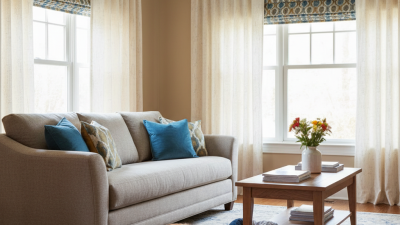
Soft window treatments can greatly enhance the aesthetic appeal of your home. These options, like curtains and drapes, add warmth and elegance. They can transform any room by softening harsh lines and introducing color and texture. Natural light filters beautifully through soft fabrics, creating a cozy atmosphere. They also provide privacy while letting in desirable light.
When choosing soft window treatments, consider the materials. Light, airy fabrics work well for a relaxed, casual look. Heavier materials bring a formal elegance. You can mix and match styles to find what suits your taste best. Adding layered treatments can also create depth.
Tips: Always use a light-colored fabric in smaller spaces to make them feel larger. In sunny rooms, choose UV-blocking materials to protect your furniture. Think about maintenance; some fabrics require more care than others. Reflect on your needs before committing—do you need a simple design or something more intricate? The right choice will definitely elevate your home décor.
Choosing the Right Fabric for Soft Window Treatments
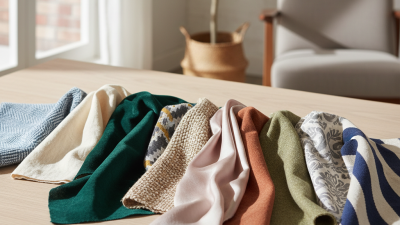
Choosing the right fabric is essential for soft window treatments. The fabric affects not only appearance but also functionality. Light-filtering fabrics can create a soft glow in a room. Consider sheer materials for a light and airy look. They allow natural light to seep in while maintaining privacy.
On the other hand, heavier fabrics like velvet or thick cotton bring warmth and elegance. They are perfect for colder climates. However, these materials may block out too much light, making a space feel smaller. Balancing the type of fabric with your home’s design and the room's purpose is crucial.
Texture also plays a significant role. Textured fabrics can add depth and visual interest. Think about how the fabric feels and drapes. A fabric may look beautiful but feel stiff in reality. Reflect on how different fabrics make you feel. Your choice should resonate with both functionality and personal comfort.
How to Measure Your Windows for Perfect Fit
Measuring your windows accurately is crucial for selecting the perfect soft window treatments. Proper measurements ensure a perfect fit, enhancing both the aesthetic and functional aspects of your space. Start by gathering tools like a metal measuring tape, a notepad, and a pen. Ensure you have a friend to help you if needed.
Begin measuring the width. Always measure at the top, middle, and bottom of the window frame. Use the widest measurement for your order. When measuring height, check from the top of the frame to the bottom, including any desired length beyond the frame. Adjust if your windows are not perfectly rectangular.
Tip: Don’t forget to note any obstructions, like handles or sills. These can affect the look and utility of your treatments.
Next, consider whether you want a mounted treatment outside the frame or an inside mount. An outside mount maximizes light coverage. An inside mount provides a sleek look. If your measurements are slightly off, avoid stressing. Materials can be adjusted to ensure a snug fit. This practice helps accommodate any imperfections in your space.
Tip: Double-check your measurements to minimize errors. It's better to be precise the first time.
Best Soft Window Treatments by Popularity
Installation Tips for Soft Window Treatments
Soft window treatments can enhance any room's ambiance. When it comes to installation, attention to detail is crucial. Begin by measuring your windows accurately. Use a metal tape measure for precise results. This ensures a perfect fit for your chosen treatments. It’s easy to make mistakes during this step, so double-check your measurements.
Next, gather the necessary tools. You’ll need brackets, screws, and possibly a drill. Consider using a level to ensure everything is straight. Uneven installations can lead to uneven light and aesthetics. If you’re unsure about the process, consult online tutorials for guidance. They provide valuable insights that could save time and effort.
Finally, take your time with the actual installation. Rushing can result in errors. Ensure you follow the manufacturer’s instructions closely. It’s normal to face challenges during installation. Reflect on what went wrong, and adjust your approach. Learning from these experiences will improve your skills for future projects.