What is Carole Net Fabrics and How to Source Them?
Carole net fabrics are gaining popularity in the textile industry. These unique materials blend durability with aesthetic appeal. According to a recent report by The Freedonia Group, the global demand for technical textiles, including carole net fabrics, is projected to reach over $200 billion by 2025. This growth reflects a rising interest in specialized textiles across various sectors.
The sourcing of quality carole net fabrics requires a keen understanding of the market. Several manufacturers offer a variety of options, yet not all meet industry standards. Choosing the right supplier can feel overwhelming. In addition, different color combinations and patterns can create confusion among customers and designers. Insights from the Textile World Journal highlight that transparency and reliability in sourcing are paramount for sustainable success.
Engaging with reputable fabric suppliers can mitigate sourcing challenges. Industry experts emphasize the importance of building relationships with trusted manufacturers. These connections may facilitate better pricing and product quality. As more brands adopt carole net fabrics, staying informed about trends and innovations will be vital for remaining competitive. Understanding the complexities of sourcing will ultimately lead to better design choices and client satisfaction.
What is Carole Net Fabric?
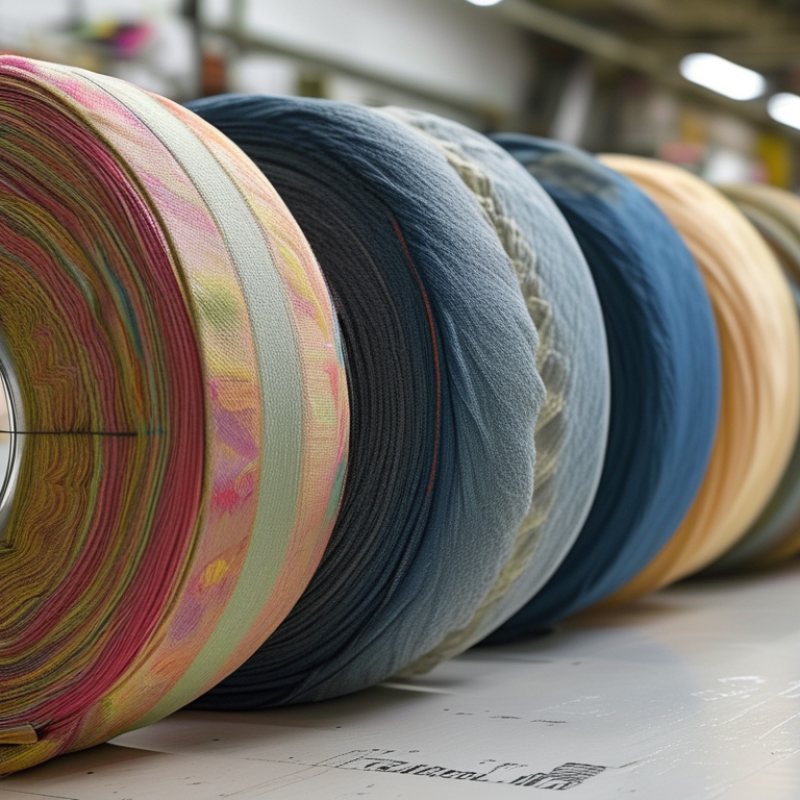
Carole Net fabric is a unique textile known for its versatility and lightweight nature. Often utilized in fashion, home décor, and crafts, it features an open weave that adds texture and depth. This fabric is especially popular in formal wear and evening gowns due to its elegant drape. Its sheer quality allows it to be layered beautifully, creating enchanting visual effects.
When sourcing Carole Net fabric, consider your project requirements. Look for suppliers who specialize in fine textiles. Ensure the fabric's quality meets your standards by checking returns and samples. Understanding its care requirements is also essential for maintaining its beauty and longevity.
Experiment with different colors and designs. Carole Net fabric can transform any project with its fluidity. Be mindful of how it interacts with other materials. In layering, the combination of fabrics can create stunning contrasts that elevate your design. Sometimes, imperfections in the weave can inspire creativity. Embrace these unique textures, as they can tell a story and add character to your work.
Characteristics and Uses of Carole Net Fabrics
Carole net fabrics are lightweight, sheer materials often used in fashion and interior design. Their versatility allows for a wide range of applications. Designers frequently utilize these fabrics in overlays for dresses and curtains. The breathability of Carole net fabrics makes them ideal for warm weather apparel. Additionally, their delicate structure adds elegance without compromising comfort.
A report by the Textile and Apparel Market Association states that sheer fabrics, including Carole net, are seeing a resurgence in use, particularly in evening wear. The market for lightweight and breathable fabrics is expected to grow by 5.1% annually through 2026. This trend highlights consumer demand for stylish yet functional clothing that transitions well from formal to casual settings.
When sourcing Carole net fabrics, consider quality and manufacturer reliability. Look for suppliers with a track record in the textile industry. Test samples before making large orders to ensure they meet your specifications. Engaging with trade shows can provide valuable insights into new trends and material options. Always stay informed about fabric care, as maintenance can affect the longevity of your products.
Characteristics of Carole Net Fabrics
The chart above illustrates the key characteristics of Carole Net Fabrics. Each attribute is rated on a scale of 100, highlighting their lightweight, breathable, durable, stretchable, and water-resistant qualities.
Where to Source Carole Net Fabrics: A Step-by-Step Guide
Sourcing Carole Net Fabrics can be a meticulous process, but understanding the market dynamics helps streamline the effort. Start by analyzing industry reports, which indicate a surge in demand for lightweight and breathable fabrics. According to a 2022 market analysis, the global net fabric market is projected to grow by 7% annually, highlighting its importance in sectors such as fashion and home decor.
Identify suppliers who specialize in innovative textiles. Trade shows can be a goldmine for networking and sourcing unique materials. Platforms like Fabric Expo showcase numerous genres of fabrics, attracting various manufacturers. Utilize online directories such as FabricFinder or Maker's Row. However, remember that not all suppliers may meet quality standards or ethical sourcing practices. Conduct thorough research to validate their credentials.
Reach out to local fabric shops and industry experts for insider recommendations. Establishing connections in this niche community can yield valuable insights. To ensure long-term partnerships, evaluate samples for quality and durability. The sourcing process isn't always straightforward, and unexpected challenges may arise. Flexibility and adaptability are key when navigating this intricate landscape.
Considerations When Choosing Carole Net Suppliers
When sourcing Carole Net fabrics, it's essential to carefully select suppliers who meet your specific needs. Consider their experience and reputation in the industry. A supplier with years of expertise is often a better choice. They are familiar with trends and quality control processes. It's also wise to check reviews from other businesses. These insights can reveal the reliability of a potential supplier.
Evaluating the quality of fabrics is crucial. Look for samples before committing to large orders. This allows you to assess texture, durability, and appearance. Poor quality can lead to project delays and increased costs. Additionally, consider the supplier's ability to meet delivery timelines. Late shipments can hinder your production schedule. Communication is key; responsive suppliers are often more dependable.
Price is another important aspect. While finding a competitive rate is beneficial, don't sacrifice quality for cost. A lower price might indicate inferior materials. Balancing cost and quality is a challenge that requires careful thought. Reflect on past experiences with suppliers to inform your decision. Finding the right Carole Net fabric supplier may take time but is crucial for your project's success.
Quality Control and Testing for Carole Net Fabrics
Carole Net Fabrics are renowned for their intricate designs and lightweight structure, making them a popular choice in the textile industry. However, sourcing these fabrics requires diligence, particularly in quality control and testing. Effective quality control can prevent costly errors, ensuring that the fabric meets both aesthetic and functional requirements.
Testing Carole Net Fabrics involves several parameters. According to the Textile Research Journal, nearly 40% of fabric defects occur during production. Implementing rigorous pre-production testing can identify potential issues early. This includes assessing color fastness, tensile strength, and durability. The American Association of Textile Chemists and Colorists highlights that thorough testing can reduce fabric waste by up to 30%, significantly cutting costs.
Proper quality assurance methodologies contribute to reliability. Testing should be conducted in controlled environments, simulating various conditions the fabric may encounter. For example, exposure to UV light can affect color retention and material integrity. Understanding these factors can help manufacturers make informed decisions, enhancing product longevity. A lack of attention to these details could lead to failure in meeting market expectations, impacting consumer trust and brand reputation.
What is Carole Net Fabrics and How to Source Them? - Quality Control and Testing for Carole Net Fabrics
| Aspect |
Details |
| Material Composition |
Polyester, Nylon, or Combination |
| Common Uses |
Bridal wear, Evening dresses, Costumes |
| Sourcing Strategies |
Direct manufacturers, Wholesale distributors, Trade shows |
| Quality Control Tests |
Tensile strength, Color fastness, Shrinkage tests |
| Certification Standards |
OEKO-TEX, ISO 9001 |
| Price Range (per yard) |
$5 - $20 |
| Popular Colors |
White, Ivory, Black, Pastels |