
Blog
China Top 10 Water Tank Electric Brush Manufacturers
Choosing a Water Tank Electric Brush manufacturer involves more than comparing prices or product photos. Buyers need to understand how each supplier handles brush design, tank capacity, motor performance, materials, and quality checks. China has a broad manufacturing base, but capabilities can differ considerably from one company to another.
This guide to China’s top 10 Water Tank Electric Brush manufacturers offers a starting point for comparing suppliers. It considers practical factors such as product range, customization options, production experience, communication, and available technical information. These details matter. A brush that looks suitable in a catalog may perform differently when used on a particular surface or under frequent operating conditions.
Supplier rankings can change as products, facilities, and business practices evolve. Treat this list as a research aid, not a guarantee of performance or an endorsement. Before making a purchasing decision, request current specifications, confirm materials and operating requirements, and ask about inspection procedures and after-sales support. Where possible, evaluate a sample under realistic working conditions. That step can reveal fit, balance, water delivery, and cleaning consistency more clearly than a product description alone.
Some information may remain difficult to compare across manufacturers. That is worth noting, not ignoring. A careful review of evidence, clear questions, and direct supplier discussions can help buyers identify a suitable partner with greater confidence.
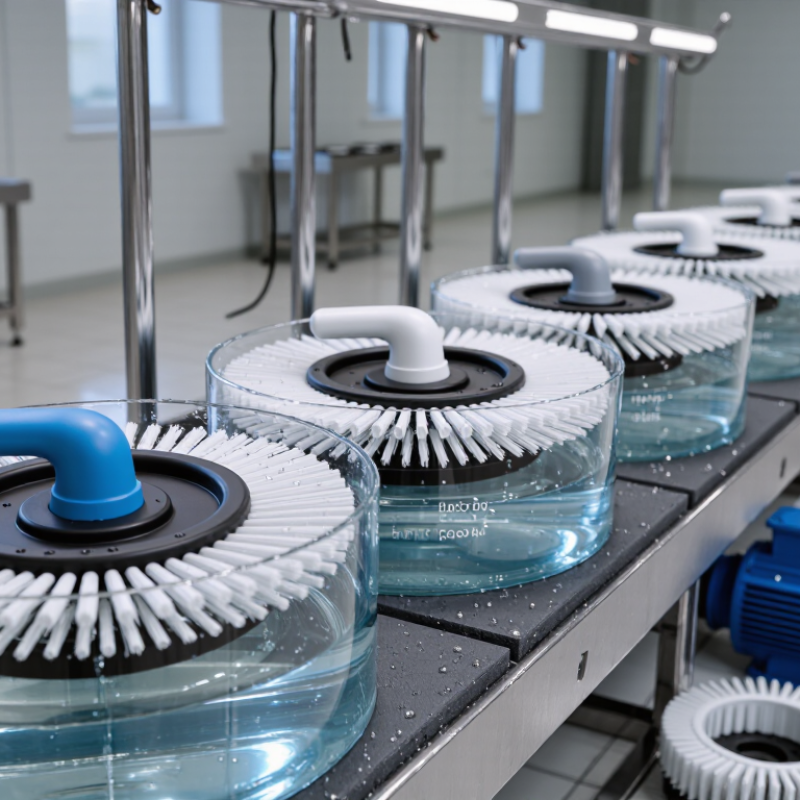
Understanding Water Tank Electric Brushes and Their Applications
Understanding Water Tank Electric Brushes and Their Applications
A water tank electric brush uses a powered rotating head to loosen deposits from interior walls and floors. It can help with routine cleaning in household, agricultural, and light commercial tanks. The right brush depends on tank material, access, and residue. A soft nylon head may suit many plastic surfaces, while tougher deposits can require a firmer brush approved for that surface. More pressure is not always better. Scratches can create places where grime collects.
Tips: Empty and ventilate the tank as appropriate, then disconnect nearby power sources. Check the tank maker’s cleaning guidance and the brush’s instructions. Match the brush material to the tank lining, and test a small area first. Keep electrical connections dry.
Electric brushes are useful when hand scrubbing is slow or access is awkward. A long shaft can reach corners, though it may be harder to control near fittings. Move the head steadily and inspect seams, outlets, and corners by hand afterward. In practice, people sometimes focus on visible walls and miss the floor sediment. Cleaning also does not replace inspection: worn seals, cracks, or persistent odors may need separate attention.
China Top 10 Water Tank Electric Brush Manufacturers - Understanding Water Tank Electric Brushes and Their Applications
Application-oriented comparison of common powered tank-cleaning brush configurations. The entries describe brush types and uses, not a verified ranking of individual manufacturers.
| No. | Brush configuration | Suitable tank or surface | Typical brush material | Drive arrangement | Common application and selection note |
|---|---|---|---|---|---|
| 1 | Flat rotary brush head | Accessible flat tank floors and broad panels | Nylon or polypropylene bristles | Electric motor with rotating brush plate | Useful for removing loose deposits from open surfaces. Match bristle stiffness to the tank lining to reduce scratching risk. |
| 2 | Cylindrical roller brush | Long, relatively even floors or channels | Nylon or other application-compatible synthetic filament | Motor-driven rotating roller | Provides a broad brushing path. Check clearance around seams, outlets, and internal fittings before use. |
| 3 | Angled corner brush | Floor-to-wall junctions and corners | Nylon or polypropylene bristles | Powered head with an angled or articulated neck | Helps reach areas a flat head may miss. Verify that the head angle suits the tank geometry. |
| 4 | Small-diameter detail brush | Around valves, fittings, and narrow recesses | Nylon bristles or another surface-compatible filament | Compact electric rotary drive | Designed for localized cleaning rather than large-area coverage. Use a brush diameter that can access the space without forcing it. |
| 5 | Long-reach powered brush | Deep tanks and surfaces reachable from an access opening | Typically nylon or polypropylene bristles | Motor and brush connected by a shaft or extension assembly | Reduces the need to reach directly into the tank. Confirm shaft length, rigidity, and safe access requirements for the specific tank. |
| 6 | Flexible-shaft brush | Curved or awkward-to-reach internal areas | Bristle material selected for the surface and soil being removed | Remote motor connected to a flexible rotating shaft | Can navigate some bends and restricted spaces. Follow the equipment maker’s limits for bend radius and operating conditions. |
| 7 | Soft-bristle lining brush | Coated, plastic, or otherwise scratch-sensitive surfaces | Soft nylon or polypropylene filament | Low-force powered rotary head, where compatible | Favors gentler contact. Test on a small inconspicuous area and follow the tank-lining maintenance instructions. |
| 8 | Medium-stiff general-purpose brush | Uncoated, robust surfaces with ordinary sediment or biofilm | Medium-stiff synthetic bristles | Powered rotary brush head | A general-purpose choice for compatible surfaces. Brush stiffness alone does not determine cleaning suitability; consider the surface and cleaning procedure. |
| 9 | Food-contact-compatible brush assembly | Food or beverage process tanks, when approved for the process | Materials documented as suitable for the intended food-contact and cleaning conditions | Powered head with cleanable, process-compatible components | Confirm material documentation, cleanability, and sanitation procedures. A brush should not be assumed suitable for food contact without verification. |
| 10 | Water-fed rotary brush | Surfaces where rinsing during brushing is part of the cleaning method | Bristles selected for the tank surface and cleaning solution | Powered brush with an integrated or connected water-feed path | Can combine brushing and rinsing. Check water compatibility, drainage, electrical protection, and the equipment’s operating instructions. |
Selection reminder: confirm tank material, brush compatibility, access conditions, electrical safety requirements, and the approved cleaning and sanitation procedure before operation.