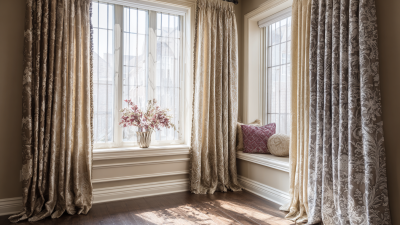
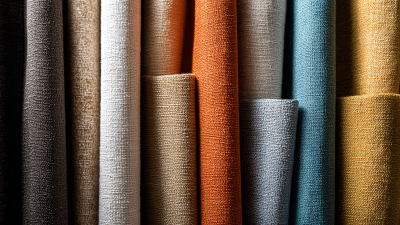
How to Choose the Perfect Custom Drapery Fabric for Your Home Décor
In the realm of home décor, the choice of window treatments plays a
pivotal role in defining a space's ambiance and functionality.
Recent studies indicate that approximately
80% of homeowners consider custom drapery fabric as a key element in enhancing their interior design
(Source: Interior Design Association Report, 2023).
Custom drapery not only allows for personalization to fit a homeowner’s specific style but also ensures that
the fabric quality, pattern, and color
harmonize seamlessly with existing décor.
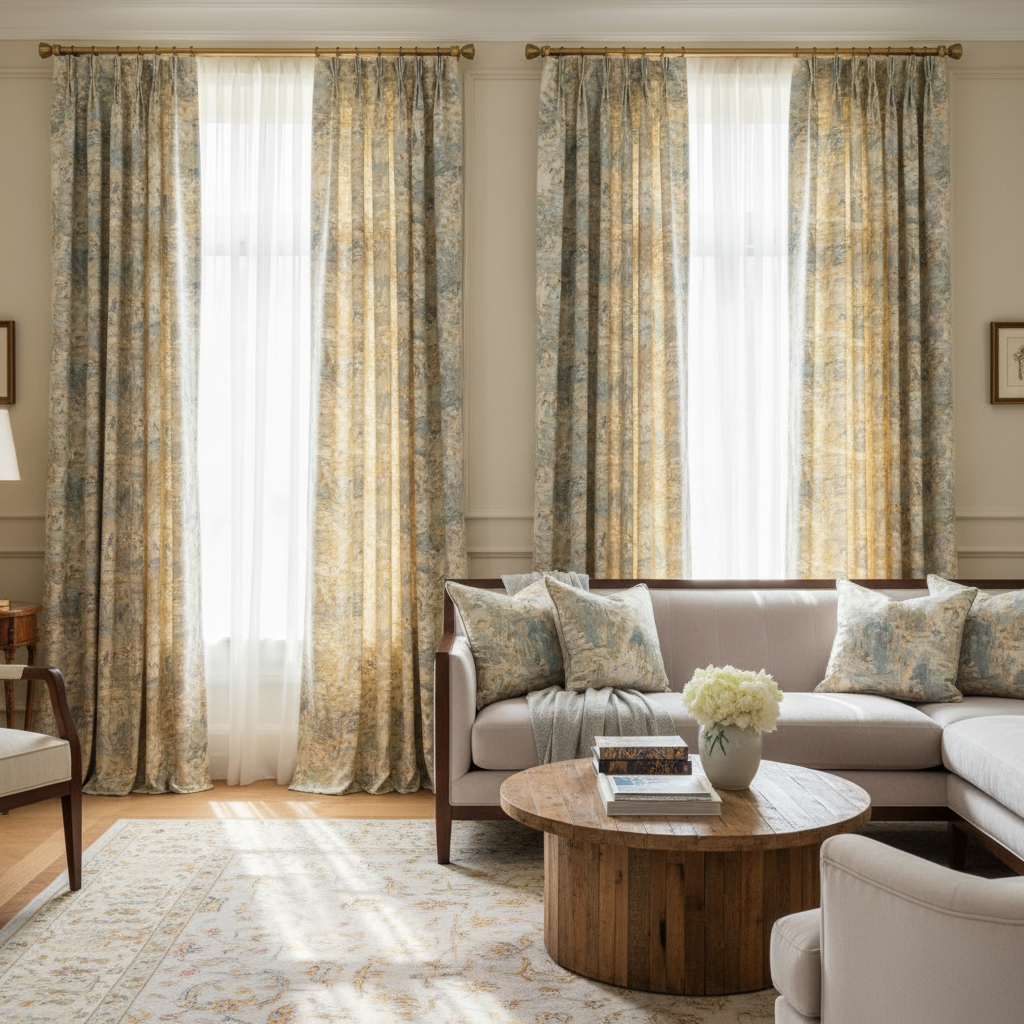
Furthermore, an industry report highlights that the market for
custom window treatments is expected to reach
$6 billion by 2025, reflecting a growing trend towards bespoke solutions that cater to
individual preferences and needs
(Source: Window Treatments Market Analysis, 2022).
Choosing the right custom drapery fabric involves more than just aesthetics; it requires a careful consideration
of durability, functionality, and maintenance.
As homeowners seek to create unique, inviting environments, understanding the elements that contribute
to the perfect custom drapery fabric selection becomes essential for achieving a cohesive and stylish look
in any living space.
Understanding Different Types of Drapery Fabrics Available for Home Use
When it comes to choosing the perfect custom drapery fabric for your home decor, understanding the various types of fabrics available is essential. The three most common materials—cotton, silk, and linen—each have their own unique qualities.
Cotton is known for its durability and versatility, making it an excellent choice for casual or rustic settings. Silk, with its luxurious sheen, adds an elegant touch, ideal for formal spaces.
Linen, on the other hand, offers a relaxed, breathable feel, perfect for light and airy interiors.
In recent trends, fabrics that combine functionality with aesthetics have gained popularity. Thermal curtains are particularly sought after for their energy-efficient properties, effectively blocking drafts and retaining warmth.
Additionally, innovative smart textiles are transforming home environments, introducing elements of sustainability and advanced technology. Whether opting for solid, sheer, or patterned options, selecting the right fabric can elevate the design of any room and enhance your overall décor theme.
Identifying Your Style: Choosing Fabric That Complements Your Home Décor
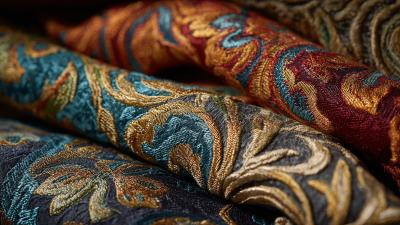
Selecting the right custom drapery fabric is crucial for enhancing your home décor. Start by identifying your personal style. Are you drawn to contemporary minimalism, classic elegance, or perhaps rustic charm? Each of these styles has specific characteristics that can guide your fabric choice. For example, sleek, solid colors and geometric patterns work well in modern spaces, while ornate prints and rich textures are ideal for traditional settings.
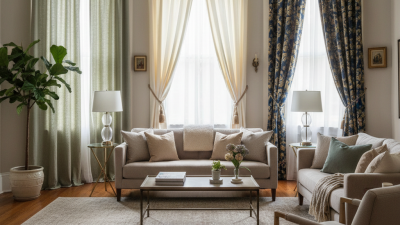
Once your style is defined, consider the color palette of your existing décor. Choose fabrics that complement or contrast harmoniously with your walls, furniture, and accessories. A bold fabric can serve as a striking focal point, while subtle tones can create a soothing, cohesive look. Keep in mind that the texture and weight of the fabric also play a significant role in achieving your desired aesthetic. Lighter fabrics may evoke a breezy, relaxed feel, whereas heavier materials can add sophistication and warmth to any room. By thoughtfully considering your style and the overall color scheme, you can select a drapery fabric that perfectly enhances your space.
Considering Fabric Functionality: Light Filtering, Insulation, and Durability
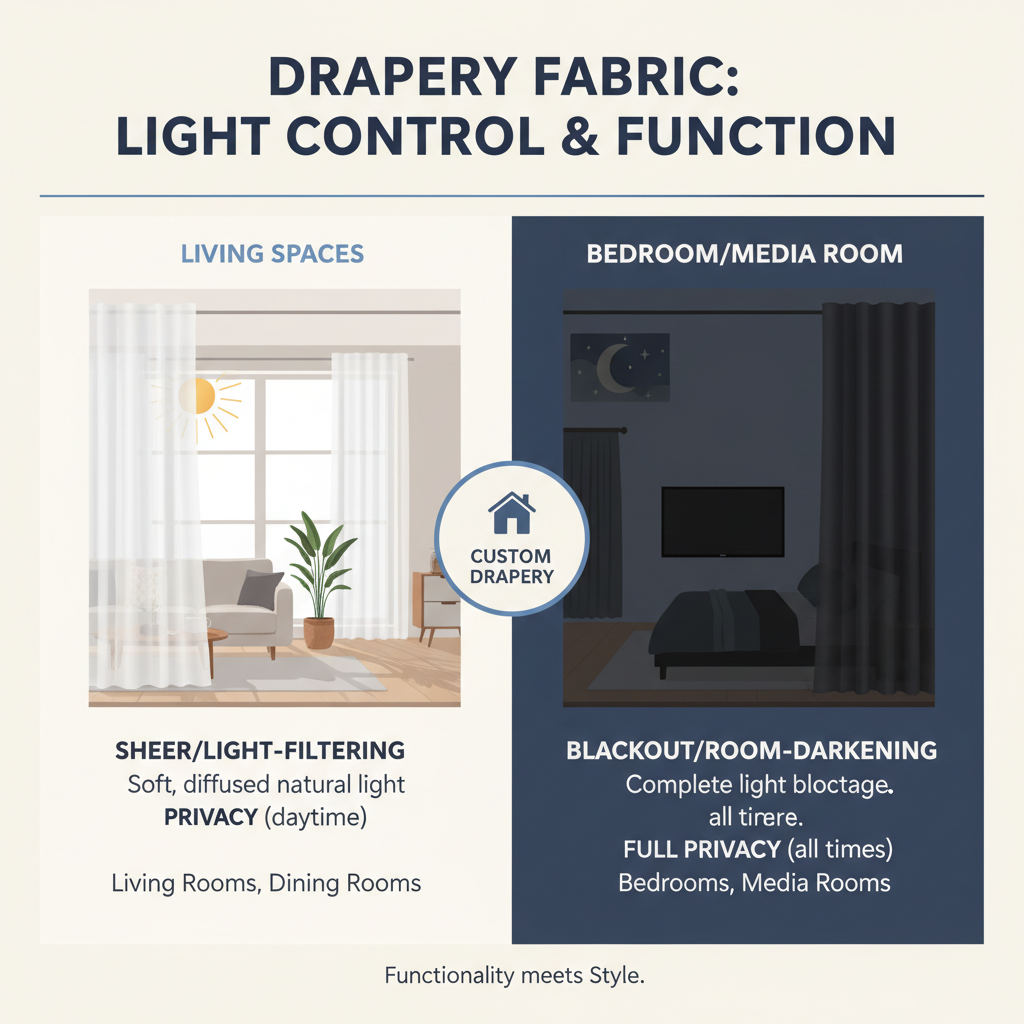
When selecting custom drapery fabric, functionality is as important as aesthetics. Light filtering is a key aspect to consider. Depending on the room's purpose, you may want fabrics that allow soft light to enter while providing privacy. Sheer materials work well in living spaces where natural light is desirable, whereas heavier fabrics, like blackout options, are ideal for bedrooms or media rooms, blocking out intrusive light completely.
In addition to light control, insulation is another critical factor. Fabrics with thermal properties can help regulate indoor temperatures, making your home more energy-efficient. Depending on whether you’re in a hot or cold climate, choosing the right drapery can significantly impact heating and cooling costs. Finally, durability is essential for ensuring your investment lasts. Look for fabrics that are resistant to fading and wear, suitable for high-traffic areas and capable of enduring everyday life while maintaining their beauty.
By focusing on these functional aspects, you can ensure that your custom drapery not only enhances your home’s décor but also serves its essential purpose effectively.
Evaluating Color and Pattern: Matching Your Palette and Aesthetic
When selecting custom drapery fabric, evaluating color and pattern is crucial in harmonizing your home's aesthetic. According to the "2023 Interior Design Trends Report" by the American Society of Interior Designers, 65% of designers indicate that color palette is the primary influence in their fabric selections. It's essential to consider not just your existing decor but also the mood you wish to create in each space.
Warm tones can evoke coziness, while cool shades can promote calm and serenity.
Additionally, patterns play a significant role in achieving the desired look. A study by the Fabric Association International found that 72% of homeowners prefer fabrics with unique patterns that reflect their personal style. Mixing patterns can be an effective way to create visual interest, but it’s vital to maintain balance by choosing one dominant pattern and complementary ones.
As trends pivot towards more personalized and expressive decorating choices, selecting the right fabrics can not only elevate the aesthetic of your home but can also provide a sense of individuality in your living space.
Budgeting for Custom Drapery: Cost Factors and Fabric Options
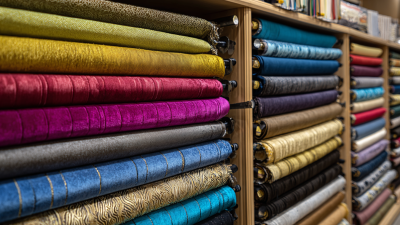
When considering custom drapery for your home, budgeting is crucial. Several cost factors come into play when selecting the perfect fabric. The type of material you choose can significantly impact the overall price. For instance, luxurious fabrics like silk or velvet tend to cost more than simpler choices, such as cotton or polyester blends. Additionally, specialty fabrics that offer unique characteristics or patterns may carry premium prices, so it’s essential to balance your aesthetic desires with your budget.
Another important aspect of budgeting for custom drapery is the consideration of added features. Custom options often include linings, interlinings, and detailed work like pleating or embroidery, all of which can increase the final cost. While these enhancements can elevate the look and functionality of your drapery, they should be factored into your budget. It's advisable to prioritize your needs and desires, ensuring that you invest in quality materials and craftsmanship while staying within a realistic budgetary framework.
Cost Factors and Fabric Options for Custom Drapery