
Blog
How to Choose an Outdoor Down Jacket for Global Buyers?
Choosing an Outdoor Down Jacket for global buyers requires more than comparing prices, colors, or attractive product photographs. Climate, activity, insulation, and supply reliability all matter. A lightweight jacket may perform well during a dry mountain hike, yet lose warmth quickly in wet coastal weather. Buyers should examine fill power, down-to-feather ratio, shell fabric, stitching, hood design, and packed size. These details affect comfort, durability, and transport costs.
Real-world testing is essential.
A jacket filled with 800-fill-power down can provide excellent warmth with less weight, but laboratory figures do not tell the entire story. Humidity, wind, body movement, and garment layering change performance. Experienced buyers should request test reports, material specifications, size charts, and care instructions from suppliers. Responsible sourcing also matters. Certifications and traceable documentation can support ethical and quality expectations across different markets, although paperwork alone cannot guarantee consistent production.
Global purchasing adds further challenges. Sizing standards vary between regions, and a medium in one market may feel restrictive elsewhere. Buyers should review sample measurements, zipper quality, seam construction, and colorfastness before placing large orders. Packaging should protect the jacket without creating unnecessary waste. Customs documentation, labeling requirements, and product safety expectations also deserve careful review.
There is no perfect choice.
A warm jacket can become bulky. A highly compressible jacket may sacrifice durability. Even expert decisions need reconsideration after field use. This guide explains how to compare performance, supplier credibility, construction quality, and practical value when selecting an Outdoor Down Jacket for customers worldwide.
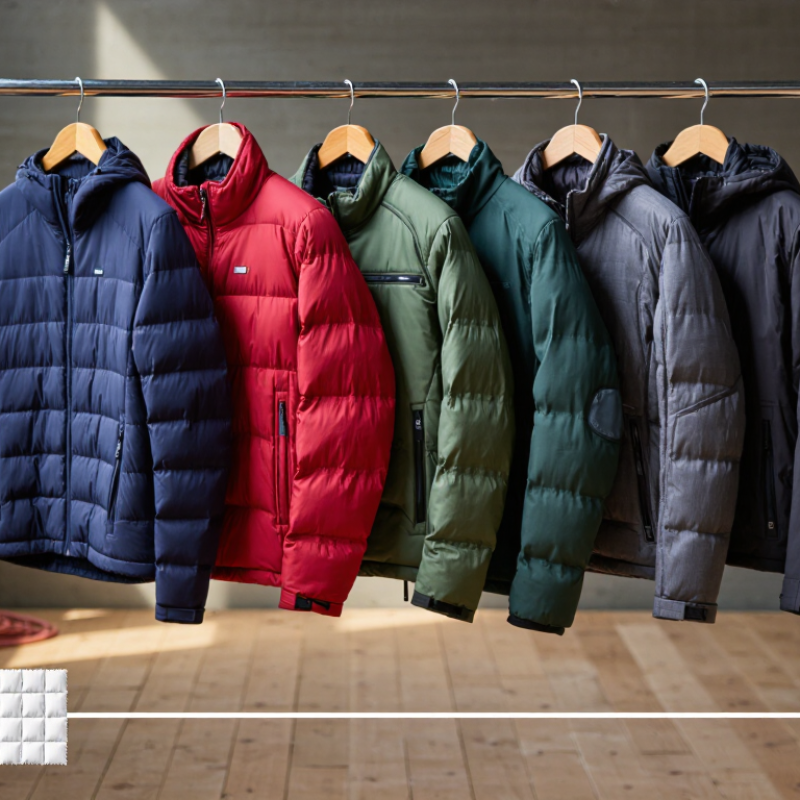
Define the Main Uses and Weather Conditions for the Down Jacket
Choosing an Outdoor Down Jacket for Global Buyers
Choosing a down jacket starts with its main use, not its color or fill-power number. A jacket for city commuting differs from one for winter trekking. Define the daily activity, movement level, and expected temperature before comparing materials.
For urban travel, a medium-weight jacket may suit short walks, train platforms, and mild wind. Look for a practical hood, secure pockets, and enough room for a sweater. Hiking requires lighter construction, better packability, and freedom around the shoulders. Cold camping needs more insulation, a longer cut, and protection around the waist. Start there.
Weather can change the correct choice. Dry, stable cold allows down to perform well because it traps warm air efficiently. Wet snow, sea mist, and repeated drizzle create problems. Moisture reduces loft and can leave the wearer cold. In damp regions, choose a shell with strong water resistance and consider synthetic insulation in exposed areas. Wind also matters; a tightly woven outer fabric can reduce heat loss on open ridges.
Temperature labels are useful, but they are not universal guarantees. Personal metabolism, clothing layers, humidity, and activity all affect comfort. I once selected a jacket based only on a low temperature rating and regretted it during a windy, inactive evening. The insulation was adequate. The fit was not. Allow space for layers, but avoid a loose torso that lets warm air escape.
How to Choose an Outdoor Down Jacket for Global Buyers?
Define the Main Uses and Weather Conditions for the Down Jacket
| Main Use | Typical Weather Conditions | Approximate Comfort Range* | Recommended Fill Power | Typical Down Fill Weight | Recommended Down Composition | Preferred Jacket Length | Shell Fabric and Water Protection | Important Design Features | Best Buyer Priority |
|---|---|---|---|---|---|---|---|---|---|
| Urban commuting and everyday winter wear | Cold city conditions, light wind, occasional light snow or drizzle, frequent movement between outdoors and heated buildings. | 0 to 10°C 32 to 50°F | 550–650 FP | 80–150 g | 80/20 to 90/10 down-to-feather ratio | Hip or slightly longer | 20D–40D polyester or nylon; durable water-repellent finish for light precipitation. | Lightweight construction, adjustable hem, hand pockets, internal storage pocket, two-way zipper for longer styles. | Comfort, easy care, versatile styling, and competitive landed cost. |
| Cold-weather travel and sightseeing | Variable winter weather, prolonged outdoor exposure, moderate wind, intermittent snow, and frequent packing or unpacking. | -5 to 5°C 23 to 41°F | 600–700 FP | 120–200 g | 80/20 or 90/10; certified responsibly sourced down may be requested by buyers. | Hip to mid-thigh | 30D–50D nylon or polyester; tightly woven fabric with a water-repellent finish. | Packable design, compression pouch, insulated hood, secure pockets, smooth lining, and snag-resistant zipper. | Packability, warmth-to-weight ratio, durability, and broad market compatibility. |
| Hiking and trekking in cool, dry conditions | Dry mountain trails, cool mornings, changing temperatures, moderate activity, and limited exposure to sustained rain. | -5 to 10°C 23 to 50°F | 650–750 FP | 100–180 g | 90/10 is commonly selected for high warmth with lower weight. | Hip length | 15D–30D nylon or recycled nylon; light water repellency and abrasion reinforcement in high-contact zones. | Low-bulk quilting, articulated sleeves, elastic cuffs, adjustable hem, helmet-compatible hood option, and backpack-friendly pocket placement. | Low weight, mobility, compressibility, and efficient moisture management. |
| High-altitude trekking and alpine approach | Cold, windy, dry conditions at altitude; low temperatures, rapid weather changes, and extended periods of limited activity. | -10 to -25°C 14 to -13°F | 700–850 FP | 180–300 g | 90/10 or higher-quality down selected for high loft and low weight. | Hip to upper-thigh | 20D–40D ripstop nylon; water-repellent finish, with stronger fabric in areas exposed to pack straps. | Insulated hood, high collar, larger baffles, adjustable cuffs, dual-sided zipper, glove-friendly pulls, and internal dump pockets. | Thermal efficiency, wind protection, low packed volume, and performance reliability. |
| Expedition and extreme cold | Severe cold, strong wind, long periods outdoors, very low activity levels, and possible blowing snow. | Below -20°C Below -4°F | 700–850 FP | 250–450 g or more | 90/10 with high loft; construction and total fill volume are as important as fill power. | Mid-thigh to knee | 30D–70D wind-resistant nylon or polyester; durable water-repellent finish and reinforced high-wear areas. | Large insulated hood, storm flap, deep pockets, long fit, adjustable waist and hem, windproof cuffs, and robust hardware. | Maximum warmth, wind resistance, durability, and dependable performance in severe conditions. |
| Skiing and snowboarding mid-layer | Cold resort conditions, active movement, snow exposure, frequent contact with outer shells, and changing activity intensity. | -10 to 5°C 14 to 41°F | 600–750 FP | 100–220 g | 80/20 to 90/10, depending on desired warmth and price level. | Hip length | 20D–40D nylon or polyester; light water repellency because a waterproof outer shell is normally worn over it. | Low-profile quilting, stretch panels or articulated sleeves, helmet-compatible hood, powder-skirt compatibility, and secure pockets. | Mobility, layering compatibility, moisture control, and resistance to compression under a shell. |
| Wet and changeable winter conditions | Frequent rain, wet snow, high humidity, coastal wind, and repeated exposure to moisture. | 0 to 10°C 32 to 50°F | 550–700 FP | 120–220 g | 80/20 or 90/10; hydrophobic-treated down can reduce moisture absorption but does not make the jacket waterproof. | Hip to mid-thigh | 30D–75D tightly woven fabric; stronger water-repellent treatment, water-resistant construction, and seam protection where practical. | Insulated hood, storm flap, water-resistant zipper, adjustable cuffs, longer coverage, and quick-drying lining. | Moisture protection, drying performance, durability, and clear care instructions. |
| Lightweight packable emergency layer | Cool evenings, unexpected temperature drops, travel transitions, and emergency use during outdoor activities. | 5 to 15°C 41 to 59°F | 650–800 FP | 60–120 g | 90/10 is commonly used to achieve low weight and compact packing. | Hip length | 10D–20D nylon or polyester; light water repellency, with careful handling required for ultralight fabrics. | Integrated storage pocket or pouch, minimal seams, elastic binding, lightweight zipper, and compact packed size. | Minimum weight, small packed volume, fast deployment, and acceptable durability. |
| Workwear and outdoor labor in cold climates | Cold, windy job sites, repeated abrasion, frequent bending, carrying equipment, and long daily wear. | -5 to 10°C 23 to 50°F | 550–700 FP | 150–280 g | 80/20 or 90/10, selected according to required warmth and target retail price. | Hip to mid-thigh | 50D–150D nylon or polyester; abrasion-resistant panels and durable water-repellent finish. | Reinforced shoulders and elbows, robust zipper, multiple secure pockets, adjustable hem, durable cuffs, and easy-care construction. | Service life, repairability, protection from wind, and consistent sizing for layering. |
| Warm-climate shoulder-season use | Cool evenings, mild mountain conditions, dry autumn or spring weather, and limited exposure to freezing temperatures. | 10 to 18°C 50 to 64°F | 550–700 FP | 40–100 g | 80/20 to 90/10; lower fill weight helps prevent overheating. | Hip length or vest style | 15D–30D nylon or polyester; light water repellency and breathable lining. | Thin baffles, lightweight construction, packable design, breathable panels, and removable or low-profile hood. | Seasonal versatility, low bulk, breathability, and accessible pricing. |
*Temperature ranges are approximate comfort guidelines for a dry jacket worn with suitable base and mid-layers. Actual performance depends on individual metabolism, wind speed, humidity, activity level, garment fit, baffle design, and the quality and distribution of the insulation.