
Blog

How to Choose the Best Cat Tree in 2026?

Choosing the best Cat Tree in 2026 is not about finding the tallest model. It is about matching your cat’s instincts, body size, age, and daily habits. A confident climber may enjoy a four-level tower with wide platforms. A senior cat may need short steps, gentle ramps, and firm landings. Kittens often prefer dangling toys, but those toys must be securely attached and checked regularly.

Cat behavior expert Pam Johnson-Bennett explains, “Scratching is a normal, healthy, and necessary behavior for cats.” Her point matters when comparing sisal posts, carpeted surfaces, and cardboard panels. A useful Cat Tree should support scratching, climbing, resting, hiding, and observing. It should also remain stable when a heavy cat jumps from the top platform. Test the base by pressing it from different angles. A slight wobble is a warning.

Materials deserve close attention. Look for dense sisal, washable cushions, rounded edges, and strong connectors. Measure the available room first. Leave enough space around windows, doors, and heating equipment. A beautiful tower can become useless if it blocks movement or gathers dust in a narrow corner. Some product rankings focus too much on appearance. That is a weakness. Real performance depends on construction quality and your cat’s personality.

There is no perfect choice.

This 2026 guide will compare height, stability, comfort, cleaning, safety, and long-term value. It will also question popular features that look impressive but may not benefit every cat. The best Cat Tree is practical, secure, and genuinely used.
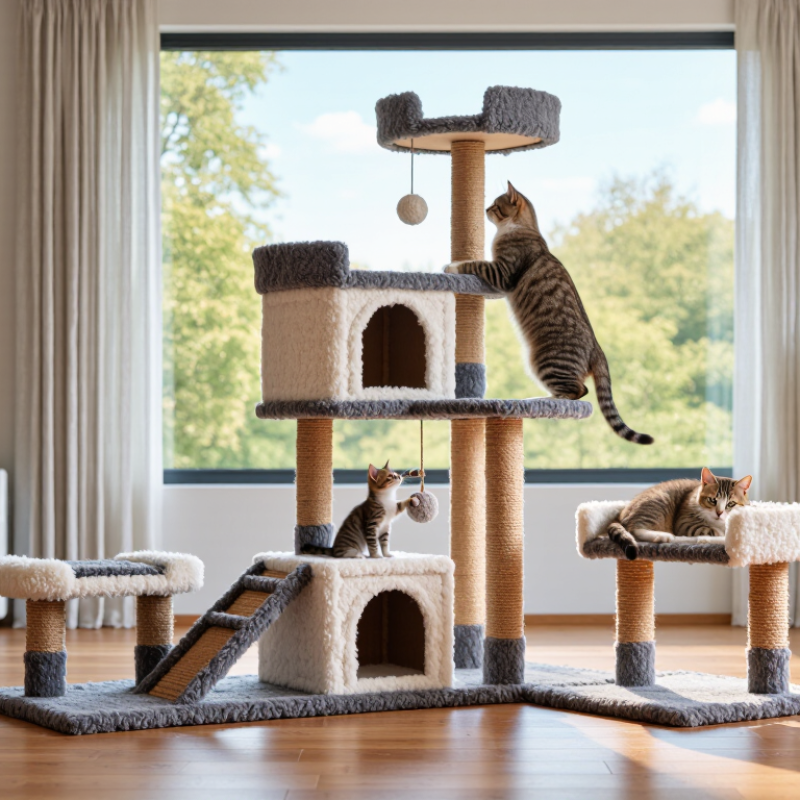
How to Choose the Best Cat Tree in 2026?

Understanding Your Cat’s Needs and Climbing Preferences

Choosing a cat tree begins with behavior, not color or room style. The 2021 AAFP/ISFM Feline Environmental Needs Guidelines identify safe resting places and vertical options as core feline needs. A cat that watches birds from a windowsill may value height more than tunnels. A shy cat may prefer a covered platform with two escape routes. Watch where your cat already climbs. That evidence is personal, but useful.

Match dimensions to movement. Measure shoulder width, body length, and the distance between favorite surfaces. Active cats need stable jumps, not a wobbly tower with decorative shelves. Senior or overweight cats may need wider steps, lower platforms, and a ramp. Place the highest perch against a wall, away from curtain cords and unstable furniture. The 2023–2024 APPA National Pet Owners Survey counted 46.5 million U.S. cat-owning households, yet ownership numbers do not reveal individual climbing ability. Population data can guide demand, not design.

Inspect the tree like a safety-minded technician. Look for a broad base, tight fasteners, washable surfaces, and scratching posts tall enough for full-body extension. Observe whether your cat chooses carpet, sisal, wood, or cardboard. Preferences can change after illness, relocation, or a new pet. I would not assume the tallest model is best. My own mistake was choosing height before stability. Leave clear landing space and recheck screws weekly during the first month. A tree should invite confident movement, not force it.

How to Choose the Best Cat Tree in 2026?

Understanding Your Cat’s Needs and Climbing Preferences

Platform width is a practical starting point when choosing a cat tree. Kittens and smaller cats can usually use platforms around 30 cm wide, while average adult cats benefit from approximately 40 cm. Large cats or multi-cat households should prioritize platforms of 50 cm or more, along with a stable base and durable scratching posts.

Comparing Cat Tree Types, Sizes, and Essential Features

Choosing the best cat tree starts with matching its type to your cat’s habits, space, and confidence. A compact condo suits a kitten or quiet apartment. Taller towers help active cats climb, observe, and retreat. Floor-to-ceiling models offer height but need careful installation. Wall-mounted shelves save floor space, yet they demand secure anchors and regular checks.

Measure the room before buying. The base should sit flat without blocking doors or heating vents. Each platform should let your cat turn around comfortably, with enough distance between levels for easy movement. For multiple cats, choose several resting spots and more than one exit route. A crowded tree can create tension.

Look for a heavy base, firm posts, tightly attached sisal, and washable cushions. Soft fabric feels inviting, but loose threads can become a problem. A covered hideaway helps nervous cats, while a hammock may suit relaxed sleepers. Put the tree near a window, but avoid direct drafts and unstable furniture.

I once underestimated how quickly a young cat could outgrow a small platform. That mistake mattered. Now I check adult dimensions, not just current size. I also press the structure gently before purchase. A slight wobble is a warning. Some cats ignore dangling toys, too.Scratching material, stable height, and comfortable spacing usually matter more.

Evaluating Safety, Stability, Materials, and Construction Quality

Choosing a cat tree in 2026 requires more than counting platforms. The American Pet Products Association’s 2024–2025 National Pet Owners Survey estimates 49.6 million U.S. households own cats. That scale makes everyday safety important, not decorative.

Start with stability. A wide, heavy base should resist rocking when a cat lands from above. Wall anchoring adds protection, especially near windows or active play areas. I test each platform with repeated downward pressure, not just a gentle touch. Manufacturers’ weight ratings can be vague. A 15-pound cat may create much greater force while jumping.

The U.S. Consumer Product Safety Commission’s product-safety guidance consistently emphasizes tip-over prevention, secure connections, and eliminating accessible hazards. Apply those principles here.

Inspect the materials closely.

Dense plywood or solid wood usually supports better than thin particleboard. Sisal should wrap tightly around posts, without exposed staples or sharp edges. Carpet seams need firm stitching, since loose fibers can catch claws. Check every joint for wobbling, splitting, or strong chemical odors.

The Pet Industry Distributors Association’s handling guidance highlights packaging and assembly checks, but home inspection still matters. My own assessment is imperfect; cats often find weaknesses faster than people do.

Recheck screws after several days, then monthly. Avoid dangling cords and narrow gaps that could trap a paw or collar.

A beautiful tower is not necessarily a safe one.

Matching the Cat Tree to Your Home and Available Space

How to Choose the Best Cat Tree in 2026?

A cat tree should fit your home before it impresses your cat. The 2023–2024 APPA National Pet Owners Survey recorded 46.5 million U.S. cat-owning households. Many now share limited apartments, so usable floor space matters. Measure the intended corner, including nearby doors, vents, and walking paths. Leave enough room to open drawers and clean beneath the base.

For a narrow room, choose a tall, stable design with a compact footprint. A window perch can provide sunlight and outdoor stimulation without taking over the room. The AAFP and ISFM environmental-needs guidelines recommend opportunities for climbing, resting, scratching, and hiding. Place these functions at different heights, not in one crowded platform. A heavier base is safer for active cats. Check for wobbling by applying gentle pressure before purchase.

Match the highest platform to your cat’s confidence. A shy cat may prefer a covered middle level, while an older cat may need wide steps with short gaps. PDSA’s Animal Wellbeing Report 2024 estimated around 11 million pet cats in the UK, showing how varied household needs can be. Weight ratings still deserve caution. Manufacturers may test static loads, not repeated jumping. I would measure twice, then choose a slightly larger footprint than expected. Small spaces punish poor planning.

How to Choose the Best Cat Tree in 2026? - Matching the Cat Tree to Your Home and Available Space

Cat Tree Type Typical Height Typical Footprint Recommended Room Area Suitable Cat Profile Ideal Placement Key Features to Check Main Advantages Space Limitations
Compact / Small-Space Tree 24–42 in
(61–107 cm)
16–24 × 16–24 in
(41–61 × 41–61 cm)
About 50–100 sq ft
(4.6–9.3 m²) of usable floor area
Kittens, senior cats, or one small-to-medium adult cat Apartment corners, bedrooms, home offices, or beside a low window Wide base, low platforms, washable cushions, and at least one scratching surface Uses little floor space and is easier for older or less agile cats to access Usually offers limited vertical height, storage, and separation between resting areas
Medium Multi-Level Tree 43–60 in
(109–152 cm)
20–30 × 20–30 in
(51–76 × 51–76 cm)
About 80–150 sq ft
(7.4–13.9 m²) of usable floor area
One active adult cat or two cats that share space comfortably Living rooms, larger bedrooms, or a quiet corner near a window Multiple platforms, stable transitions, sisal scratching posts, and a secure resting box Balances climbing, scratching, play, and resting without dominating most rooms May feel crowded in narrow walkways or rooms with closely spaced furniture
Tall Vertical Tree 61–84 in
(155–213 cm)
24–36 × 24–36 in
(61–91 × 61–91 cm)
About 100–200 sq ft
(9.3–18.6 m²) of usable floor area
Active cats that climb, observe, and use elevated resting places Near a window, in a room with high ceilings, or against a stable wall Heavy base, anti-tip strap, staggered platforms, strong posts, and a top perch with a guard edge Provides substantial vertical territory while using less floor area than a wide play structure Requires ceiling clearance, careful anchoring, and enough open space around the base
Wide Lounge Tree 30–60 in
(76–152 cm)
30–48 × 24–36 in
(76–122 × 61–91 cm)
About 120–220 sq ft
(11.1–20.4 m²) of usable floor area
Large-bodied cats, relaxed cats, or cats that prefer broad platforms Open-plan living rooms, family rooms, or a dedicated pet area Large resting surfaces, reinforced joints, thick posts, and a base that resists rocking Offers better lounging comfort and stability for heavier cats or cats that dislike narrow perches Consumes more floor space and can obstruct furniture circulation in small rooms
Multi-Cat Activity Tree 60–84 in
(152–213 cm)
30–48 × 30–48 in
(76–122 × 76–122 cm)
About 150–300 sq ft
(13.9–27.9 m²) of usable floor area
Two or more cats, especially cats with different activity levels Large living areas where cats can approach and leave without blocking people Several separated platforms, more than one escape route, multiple scratching posts, and anchoring hardware Reduces competition by providing separate vertical and resting zones Needs a large footprint, regular inspection, and enough surrounding clearance for safe movement
Wall-Mounted Climbing System Custom; commonly 48–84 in
(122–213 cm)
Uses approximately 8–18 in
(20–46 cm) of floor depth
Suitable for small rooms when wall space and secure mounting are available Agile cats and homes where floor space is more limited than wall space Clear wall sections away from doors, heating equipment, and fragile objects Stud-compatible mounting, weight-rated hardware, non-slip surfaces, and safe platform spacing Preserves floor area and can be configured around existing furniture Requires drilling, suitable wall construction, accurate installation, and ongoing hardware checks
Window-Focused Tree 36–72 in
(91–183 cm)
20–32 × 20–32 in
(51–81 × 51–81 cm)
About 80–180 sq ft
(7.4–16.7 m²) of usable floor area
Cats that enjoy watching outdoor activity and receiving natural light Beside a secure window with blinds, cords, and glass kept safely out of reach Stable top perch, broad viewing platform, secure base, and safe distance from window hardware Combines vertical enrichment with visual stimulation from the outside environment Should not block emergency exits, radiators, window operation, or household walking routes
Senior-Friendly Low Tree 18–36 in
(46–91 cm)
20–30 × 20–30 in
(51–76 × 51–76 cm)
About 50–120 sq ft
(4.6–11.1 m²) of usable floor area
Senior cats, cats with limited mobility, or cats recovering from injury Quiet, warm areas with a clear, non-slip path to food, water, and litter facilities Low step heights, wide ramps, padded beds, soft edges, and a non-slip base Provides enrichment and scratching opportunities without requiring difficult jumps Does not provide the high climbing opportunities preferred by very active cats

Planning note: Measurements are common planning ranges rather than fixed standards. Always compare the assembled dimensions with your available floor area, walkway clearance, ceiling height, cat weight, and the manufacturer's stated weight limits.

Checking Maintenance, Budget, and Long-Term Value in 2026

How to Choose the Best Cat Tree in 2026?

In my experience, a cat tree is valuable only when it survives daily climbing, scratching, and sleeping. Measure your available floor space before shopping. A wide base matters, especially for active or heavier cats. The structure should not wobble when your cat jumps from a lower platform. That matters.

Check the materials closely. Dense scratching surfaces usually last longer than thin fabric coverings. Look for washable cushions, replaceable scratching posts, and seams that do not loosen easily. Smooth, accessible surfaces make cleaning simpler. Vacuum loose fur weekly, then inspect corners for dust or trapped litter. I once ignored a small tear, and it became a large opening within weeks. That was my mistake.

Budget for the entire ownership period, not only the purchase price. Include replacement pads, new scratching sections, and occasional hardware tightening. A cheaper tree may cost more if it needs replacing every year. Over five years, durability often matters more than a low starting price. Still, “premium” does not always mean better. Read weight limits, examine customer measurements, and compare repair options. Choose a design your cat will actually use, not one that only looks impressive in a room. Their habits may change. My cautious choice can still be imperfect.

Article Source: