10 Tips for Choosing the Best Fabrics at Carol's Fabric Store
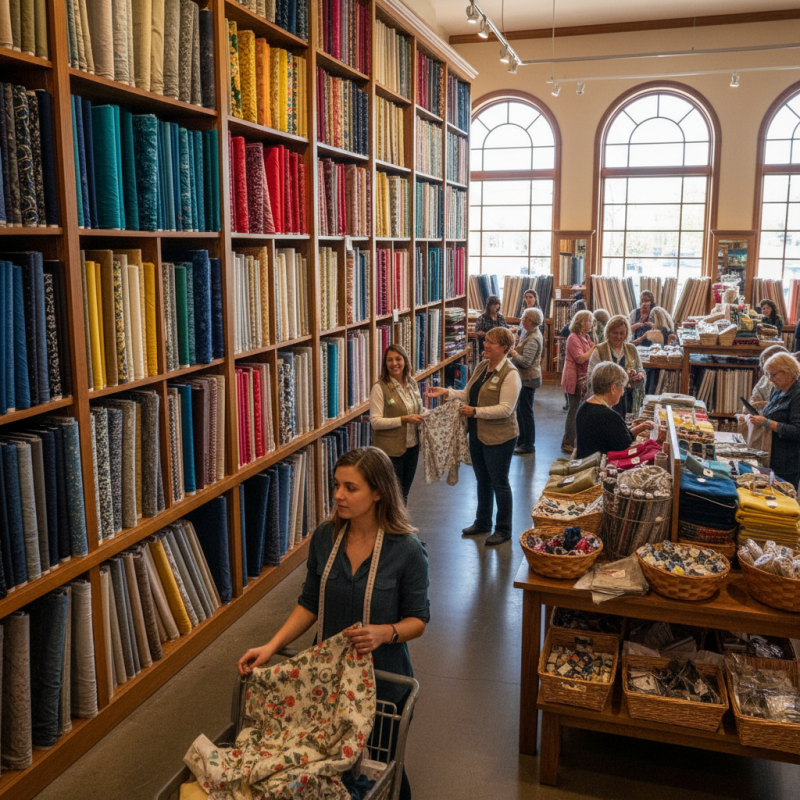
When it comes to selecting beautiful fabrics for your projects, Carol's Fabric stands out as a top destination. This store offers a vast array of choices, making the task both exciting and daunting. With so many options available, it’s essential to know what to look for to ensure your selection meets your needs.
Understanding fabric types is crucial. Are you aiming for comfort or style? Consider both, as your final choice should reflect your personal taste and project requirements. Additionally, quality matters. Inspect the texture and durability. A beautiful fabric can lose its charm if it doesn’t hold up over time.
At Carol's Fabric, the staff are experienced and eager to help. Yet, it's also important to trust your instincts. Sometimes, the most attractive fabric may not fit your vision. So take your time, explore, and reflect on your choices before making a decision.
Understanding Fabric Types: Natural vs. Synthetic Fibers
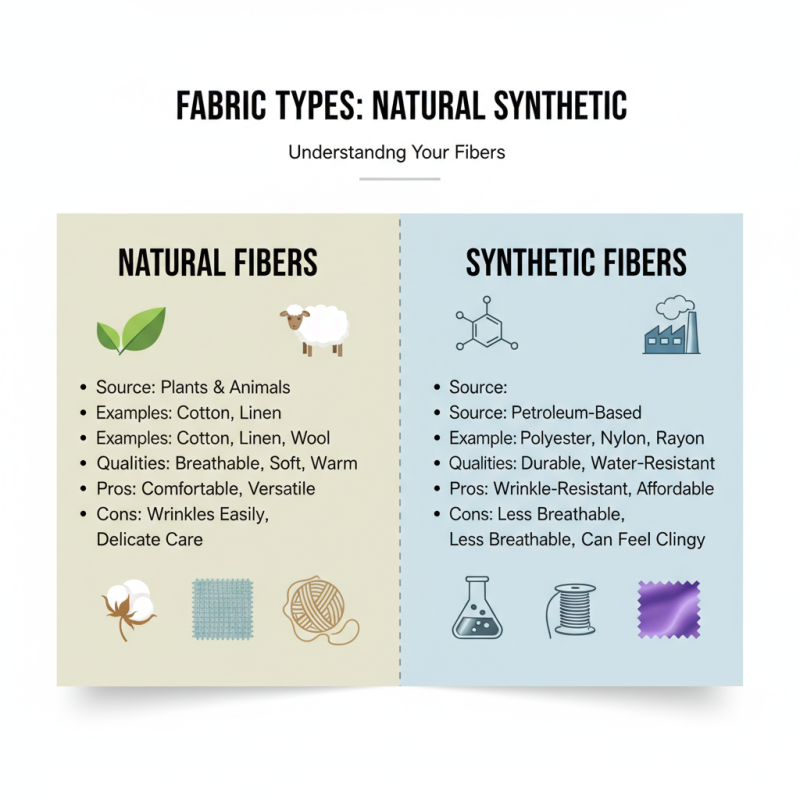
When choosing fabrics, understanding the difference between natural and synthetic fibers is essential. Natural fibers come from plants or animals. Common examples are cotton, linen, and wool. These fabrics are often breathable and comfortable against the skin. Cotton is soft and versatile, while linen has a beautiful texture. Wool provides warmth and durability. However, they can be more susceptible to wrinkles and require careful maintenance.
On the other hand, synthetic fibers like polyester and nylon are man-made. They are often more affordable and easier to care for. These fabrics can resist wrinkles and staining. However, synthetic materials may not be as breathable, making them less comfortable in hot weather. They may also have less dye absorption, affecting color vibrancy.
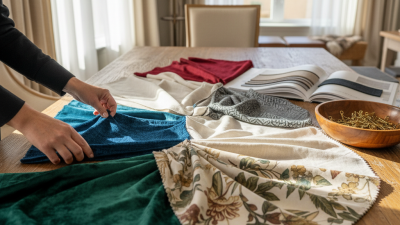
Choosing the right fabric involves balancing comfort, aesthetics, and function. It's crucial to consider your project. Will it be worn daily or for special occasions? Reflect on how the fabric feels against the skin. A fabric that looks great might not be comfortable. Take the time to touch and test different materials. Sometimes, even the popular choices aren't the best for your specific needs.
Evaluating Fabric Weight and Texture for Your Projects
When choosing fabrics, weight and texture play significant roles. Understanding these characteristics can elevate your projects. Fabric weight determines how the material behaves. Lightweight fabrics are often suited for flowing garments. Heavier fabrics lend structure to projects like jackets or upholstery.
Consider the texture of the fabric as well. Smooth fabrics are perfect for formal attire, while textured options bring warmth and character. Mixing textures can create visual interest. For example, pairing a soft velvet with crisp cotton offers a striking contrast. However, be mindful. Not every combination will work seamlessly.
Experimentation is key. Don't hesitate to feel the fabrics before buying. Sometimes the weight feels different than expected. This tactile experience can guide your decision. Trust your instincts, but also think critically about your project’s demands. What looks good on the shelf may not translate well into your design.
Color Theory: Choosing the Right Color for Your Fabric
Choosing the right color for your fabric can significantly impact the outcome of your project.
Color theory is essential for any designer or hobbyist.
According to a report by the Pantone Color Institute, color influences 85% of consumer purchasing decisions.
Selecting a fabric that resonates with your intended mood is crucial.
Consider the emotional value of colors.
For instance, blues are calming, while reds can evoke passion. Understanding color harmony can help you create a cohesive look.
This is where complementary colors come in. They enhance each other and often create a striking visual effect.
Tip 1: Test fabric swatches in various lighting. Colors may appear different under natural versus fluorescent light.
Tip 2: Don't shy away from being bold. Sometimes, using an unexpected color can achieve unique results. Innovating with color often leads to personal growth in your design skills.
While trends can point you in a direction, personal preference remains critical.
A fabric that seems popular might not suit your style. Your unique voice is significant in the creative process.
Checking Fabric Durability and Care Requirements
When choosing fabrics, understanding durability is crucial. Fabrics often undergo wear and tear. Selecting those marked with high abrasion resistance is wise. According to a 2022 report from the Textile Institute, fabrics with a Martindale rating above 30,000 cycles are deemed highly durable. This suggests that they can withstand significant use, making them ideal for items like upholstery and activewear.
Care requirements also play an essential role in fabric selection. Some fabrics may require special washing conditions or dry cleaning. For instance, a study from the American Textile Manufacturers Institute indicates that 40% of consumers often ignore care instructions, leading to premature fabric damage. Choosing fabrics that are machine washable and dry quickly can alleviate future hassles. Look for those labeled as "easy care" to simplify maintenance.
Reflecting on your fabric choice means considering both aesthetic and functional elements. A gorgeous fabric may not be practical. Balancing beauty with endurance is essential. Evaluate how often the fabric will be used and its intended purpose. Understanding these factors ensures a more satisfying end result.
10 Tips for Choosing the Best Fabrics at Carol's Fabric Store - Checking Fabric Durability and Care Requirements
| Fabric Type |
Durability |
Care Requirements |
Common Uses |
| Cotton |
Medium |
Machine wash, tumble dry |
Apparel, home textiles |
| Polyester |
High |
Machine wash, low heat dry |
Activewear, upholstery |
| Silk |
Low |
Dry clean recommended |
Formal wear, luxury items |
| Linen |
Medium |
Machine wash, iron while damp |
Summer garments, tablecloths |
| Wool |
High |
Hand wash, lay flat to dry |
Sweaters, suits |
Considering Budget and Quality When Selecting Fabrics
When it comes to selecting fabrics, aligning your choices with your budget and quality is crucial. Think about how much you can spend before you start. High-quality fabrics often cost more, but they last longer. Cheaper materials might lead to dissatisfaction over time. Understanding the balance between cost and durability is essential.
Consider the fabric's purpose. Will it be used for clothing, upholstery, or crafts? Each project has different requirements. For example, natural fibers like cotton and linen can be expensive, but they offer comfort and breathability. Synthetic options may fit tight budgets, yet they might not always provide the same level of quality.
Don't rush the decision-making process. Take your time to touch different fabrics. Feel their weight, texture, and overall quality. Sometimes, the fabric that looks perfect can have hidden flaws. It's natural to feel overwhelmed. This experience will expand your knowledge. Testing various options will help you trust your instincts more fully.
Fabric Quality vs. Price Comparison