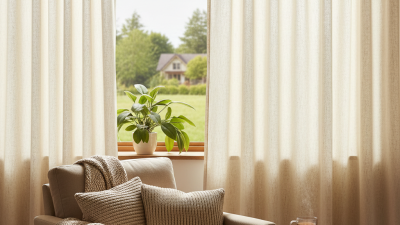
What is Custom Drapery Fabric and How to Choose the Right One?
When it comes to home décor, the right fabric can make a difference. Custom drapery fabric offers unique styles for various tastes. This fabric allows homeowners to express their personality and enhance their spaces. Choosing the right custom drapery fabric is crucial. It isn't solely about aesthetics; functionality matters too.
Consider how the fabric will interact with light. Some fabrics block sunlight, while others let it filter through. Think about durability. High-traffic areas need tougher materials. It's not easy to find the perfect fit. Options can overwhelm, and personal choices complicate decisions.
Textures and colors create different moods. A heavy fabric may feel formal, while lighter weaves suggest casualness. Reflect on your home's needs. Engage with samples before deciding. Custom drapery fabric requires thoughtful consideration for the best outcome.
Understanding Custom Drapery Fabric: Definition and Benefits
Custom drapery fabric is more than just a decorative addition. It serves to enhance the aesthetic of your space while offering practical benefits. This fabric can block light, provide privacy, and add insulation to windows. The right fabric can transform a room, creating a cozy atmosphere or a vibrant energy. Choosing the wrong type might dim your space or clash with your style.
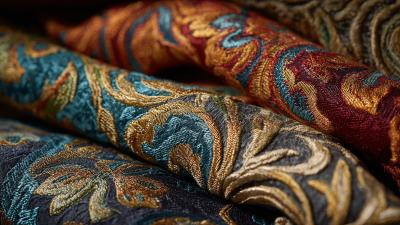
Understanding the various fabrics available is essential. For instance, heavier fabrics like velvet provide opulence and warmth, while lighter options like linen offer an airy feel. Each fabric has unique textures and patterns, influencing the look and feel of your home. It’s important to consider durability as well. Some fabrics may fade or wear out quickly, leading to frustration.
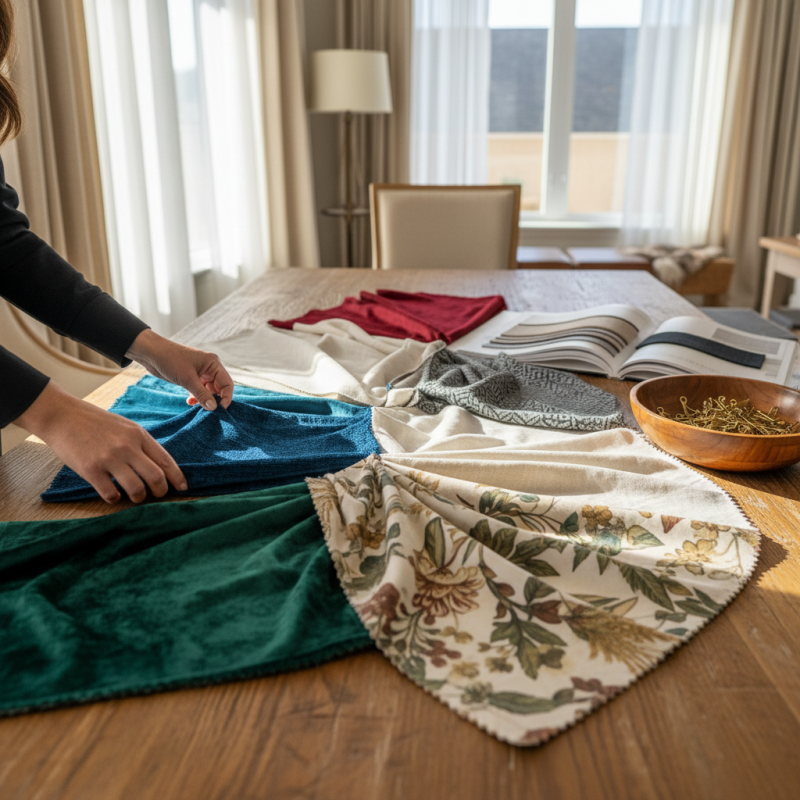
Think about your specific needs. Do you prefer muted tones or bold prints? Are you accommodating sunlight or seeking privacy? Reflect on these choices. Don't rush the decision. Take your time to explore different options. Sometimes, fabric swatches can help visualize your ideas, offering a tangible perspective. Ultimately, the right fabric should resonate with your style and serve its purpose effectively.
Factors to Consider When Selecting Custom Drapery Fabric
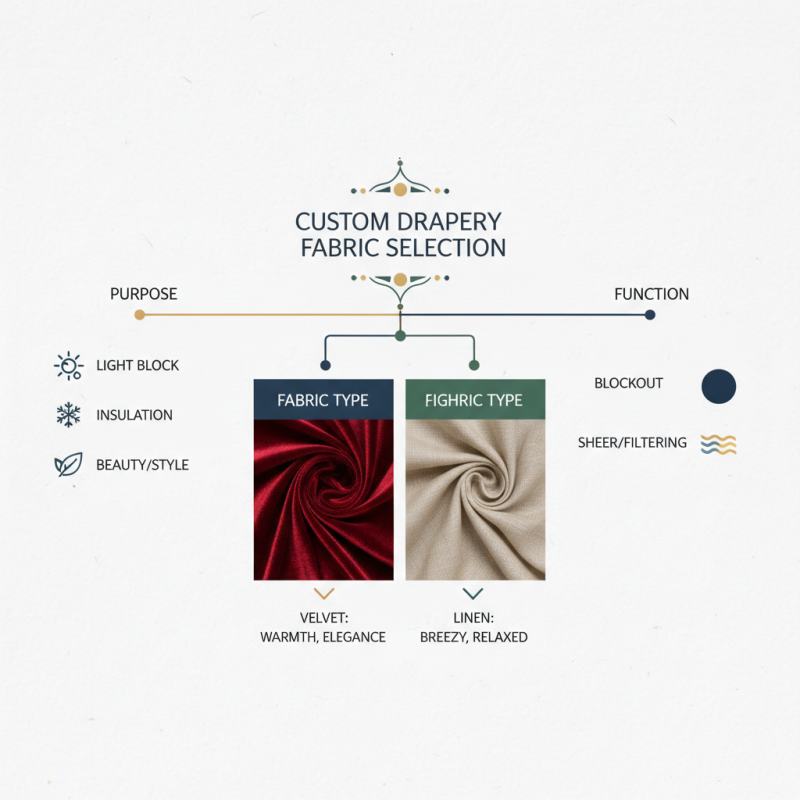
When selecting custom drapery fabric, several factors come into play. Consider the purpose of the drapes. Are they meant to block light, provide insulation, or simply add beauty? Different fabrics serve distinct functions. For instance, heavier materials like velvet provide warmth and elegance. Lighter fabrics, such as linen, offer a breezy, relaxed atmosphere.
Next, think about color and pattern. The right hues can transform a space. Do you want bold prints or subtle shades? It’s easy to overlook how a pattern can affect the room's vibe. Take samples home to see how they interact with your lighting. Sometimes, what looks perfect in the store may not translate well at home.
Lastly, durability matters. Consider the lifestyle of the space. If you have pets or children, opt for fabrics that withstand wear and tear. Evaluate care requirements as well. Fabrics that demand frequent dry cleaning can become burdensome. Reflect on your choices, and don’t rush the decision. The right fabric can enhance your space beautifully, but it takes time to find the perfect match.
Types of Fabrics for Custom Drapery and Their Characteristics
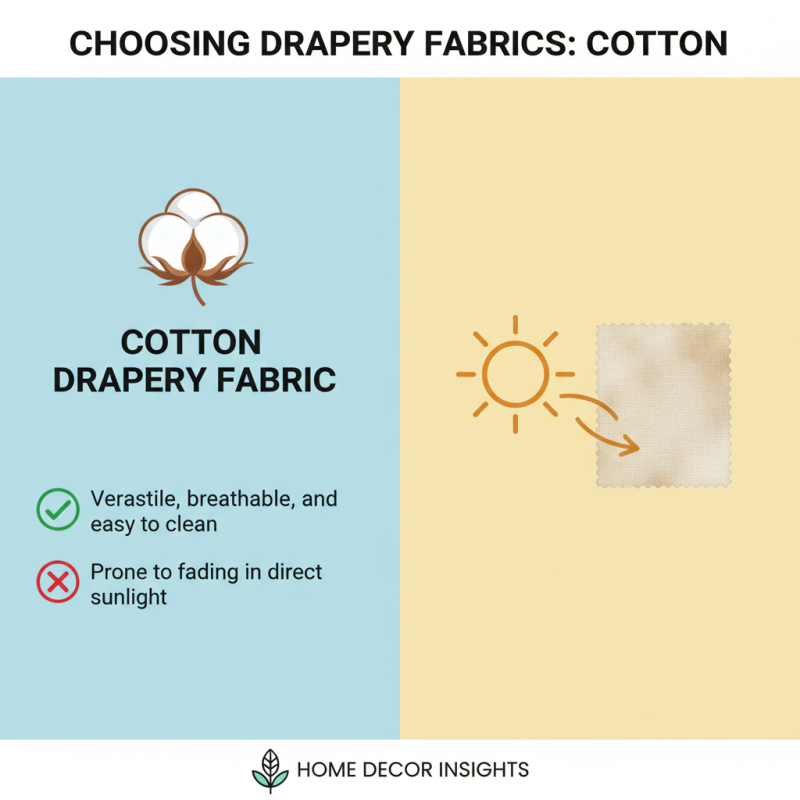
When choosing custom drapery fabrics, understanding the types available is crucial. There are diverse options, each with unique characteristics. For instance, cotton is highly popular due to its versatility. It’s breathable and easy to clean, making it a practical choice for many homes. However, cotton can fade quickly in direct sunlight, which is a downside to consider.
Linen is another common fabric for drapery. It has a natural, textured look that adds elegance. However, it wrinkles easily. According to industry reports, linen drapes can require frequent maintenance to retain their appearance. Polyester offers durability and is resistant to wrinkling. It's also less expensive, which may appeal to budget-conscious decorators. Yet, some find it lacks the refined texture of natural fibers.
Silk is luxurious but comes with a price. It drapes beautifully and adds a touch of sophistication. But, it can be challenging to clean and is prone to damage from sunlight. The right choice depends on your specific needs and style preferences. Weighing the pros and cons of each fabric type is vital. Not all options will meet long-term expectations, so think carefully about your lifestyle and environment when selecting the fabric.
Measuring Your Windows for Custom Drapery Fabric
Measuring your windows accurately is crucial for choosing the right custom drapery fabric. According to industry reports, about
45% of consumers make errors in their measurements. These mistakes can lead to costly alterations and delays.
Start by measuring the width of your window frame. Use a metal tape measure for precision. Measure at three points: the top, middle, and bottom. This accounts for any warping in the frame.
Next, measure the height. This involves from the top of the window to where you want the drapery to fall. Common fall lengths are to the sill, below the sill, or to the floor. Ensure that you measure straight down. Even a small deviation can change the outcome. Hence, always double-check your measurements. Some experts suggest rounding measurements to the nearest eighth of an inch for accuracy.
Remember, the type of fabric you choose can also impact how your drapery hangs. Heavy fabrics might require different measurements compared to lighter ones. If you're unsure, consult with a professional. It's easy to overlook small details, but those details create a big difference in the final look of your window treatments.
Tips for Coordinating Custom Drapery with Home Decor Styles
Choosing the right custom drapery fabric involves understanding your home decor style. It's essential to create a cohesive look that feels intentional. According to industry reports, 71% of homeowners consider window treatments as key elements in their decor. The fabric you choose can enhance or detract from your overall aesthetic.
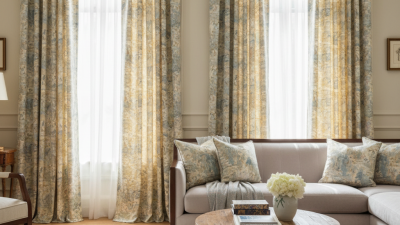
When coordinating custom drapery, consider your room's color palette. A monochromatic scheme can benefit from textured fabrics. They create visual interest without overwhelming the space. Alternatively, bold patterns can serve as statement pieces in more minimalist settings. Remember, balance is critical. Too many competing designs can feel chaotic.
Tips: Match the drapery fabric with other decor elements, like cushions or throws. For example, a soft velvet drapery works well with linen upholstery. Also, pay attention to the fabric’s weight. Heavier materials may darken a room, affecting its feel. Reflect on the mood you wish to create. Choosing the wrong fabric can lead to regrets after installation. Keep a sample swatch to see how it interacts with your space. Make informed decisions by experimenting.