
Blog

How to Choose the Best Eye Shadow Palette in 2026?

Choosing the best Eye Shadow Palette in 2026 requires more than following viral colors or polished influencer videos. Your ideal palette should match your undertone, lifestyle, skill level, and comfort with experimentation. A cool-toned user may find orange browns too harsh. A beginner may struggle with highly pigmented shadows that blend unevenly.

Professional makeup artist Pat McGrath says, “Creativity is your best makeup skill, don't be afraid to experiment.” Her advice remains practical. A useful palette should offer creativity without creating unnecessary frustration. Look for balanced shades, including a soft transition color, a workable depth shade, and a reliable shimmer. Check the texture under natural light. Some metallic shadows look beautiful online but become patchy on the eyelid.

Formula matters.

Creamy powders usually build more smoothly. Matte shadows often reveal blending mistakes faster. Shimmers can emphasize eyelid texture, especially when applied heavily. Consider ingredient lists if your skin or eyes are sensitive. Patch testing may help, although it cannot guarantee complete comfort.

Packaging also deserves attention in 2026. Strong hinges, secure pans, readable labels, and recyclable materials can make daily use easier. Yet “clean,” “professional,” or “luxury” claims do not automatically prove better performance. Marketing can be persuasive.

Even experienced users sometimes choose palettes because the case looks beautiful. I have made that mistake myself. A smaller palette with six useful shades may serve you better than twenty colors you rarely touch. This guide will examine color harmony, formula quality, durability, value, and practical application before recommending your next Eye Shadow Palette.
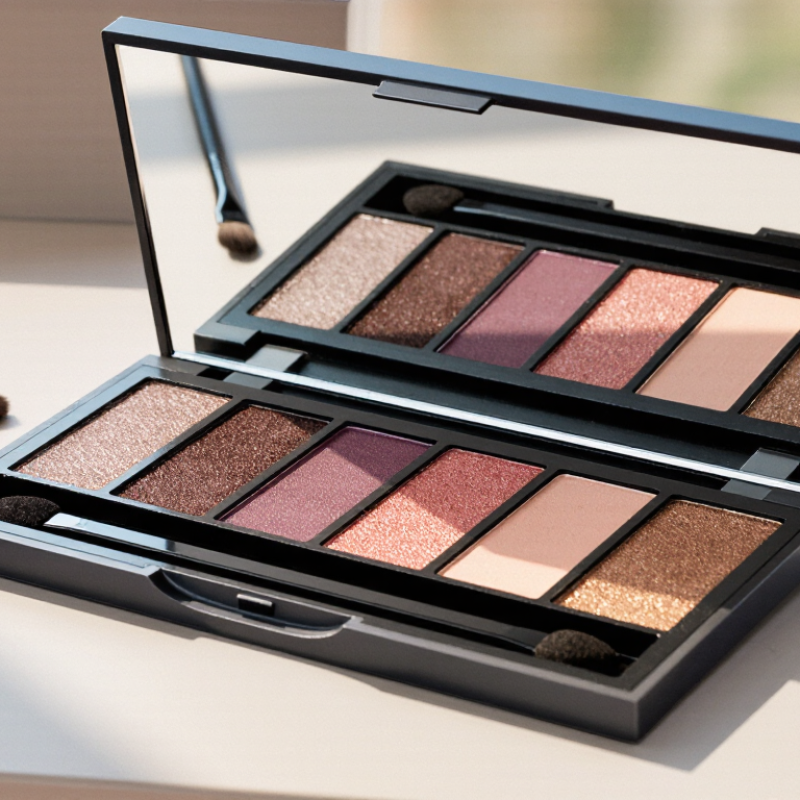
How to Choose the Best Eye Shadow Palette in 2026?

What to Consider Before Choosing an Eye Shadow Palette

How to Choose the Best Eye Shadow Palette in 2026?

What to Consider Before Choosing an Eye Shadow Palette

Before choosing an eye shadow palette, examine your routine, eye shape, and comfort needs. A large color range looks appealing, but unused shades can become expensive clutter. For daily makeup, compare matte, satin, and shimmer finishes. A practical palette should include a light transition shade, a deeper defining shade, and one brighter option.

Think about lighting. Colors may appear softer under store lights than beside a window.

Test texture first. Rub a small amount between clean fingertips, then check whether it feels dry, gritty, or overly loose. On the eyelid, good shadows should build gradually and blend without leaving hard edges.

I once chose a highly pigmented palette and regretted it; one careless tap created fallout beneath my eye. Strong pigment is not automatically better. A controlled formula can be more useful for beginners and quick morning routines.

Read the ingredient list if your skin or eyes are sensitive, and avoid products that cause burning or persistent watering. A patch test near the arm can reveal some reactions, though it cannot guarantee eye-area tolerance.

Check the packaging, expiration guidance, and whether the palette closes securely. Use clean tools. I also prefer a mirror and a brush that fits smaller pans.

My judgment is not perfect, so I photograph swatches in daylight before buying. That habit prevents many impulsive choices.

How to Match Palette Colors With Your Skin Tone and Eye Color

When choosing an eye shadow palette in 2026, start with your skin’s undertone. Warm undertones often suit bronze, peach, terracotta, and golden brown shades. Cool undertones can support taupe, plum, slate, and soft blue colors. Neutral undertones have more freedom, but muted shades usually blend most naturally. Check your wrist veins in daylight, not under yellow bathroom bulbs. That simple test is helpful, though it is not perfectly reliable. Surface redness, tanning, and skincare products can change the result. Use your jawline as a second reference.

For eye color, choose contrast rather than an exact match. Copper and warm brown can make blue eyes appear clearer. Berry, bronze, and rose tones often emphasize green eyes. Navy, plum, and smoky gray can add depth to brown eyes. Hazel eyes respond well to olive, bronze, and muted violet. Still, personal style matters more than a color wheel. I once chose a flattering shade that looked harsh after blending. The problem was lighting, not the palette.

Test three shades near a window: one light, one medium, and one deeper. Wait ten minutes before judging the finish. Some formulas darken slightly as they settle. Compare the colors with your bare skin and usual clothing. A practical palette should offer transition, definition, and one flexible highlight. Too many similar shades may look exciting but limit useful combinations. Patch testing is sensible, especially for sensitive skin. No rule works every time. Let the mirror decide.

How to Evaluate Formula, Pigmentation, and Blendability

How to Choose the Best Eye Shadow Palette in 2026?

Formula should come before color variety. Grand View Research valued the global eye makeup market at approximately $16.78 billion in 2023. Its forecast suggests steady growth through 2030. That growth makes performance claims worth testing, not trusting. A creamier powder usually grips the lid better. However, excess emollient can crease after several hours. Check the ingredient list for balanced binders, powders, and oils. Fragrance may also irritate sensitive eyes.

Pigmentation is not simply “strong” or “weak.” A good shadow gives visible color after one controlled swipe. It should still allow a softer wash. Test it on clean skin, then over primer. Compare both results under daylight. Circana reported 5% growth in U.S. prestige makeup sales during 2024, showing continued demand for refined color products. Yet highly pigmented shades can become difficult to correct. More pigment is not always better.

Blendability needs practical testing. Place a matte shade in the crease and soften its edge with a clean brush. Look for an even fade, without bald patches or muddy buildup. Metallic shades should reflect light without feeling gritty. Pressed glitter needs careful handling. I sometimes judge a palette too quickly after one arm swatch. That is a mistake. Test the formula across dry, oily, and textured areas, then check it after six hours. Also inspect fallout beneath the eyes. Small details matter.

How to Select the Right Palette for Different Makeup Looks

Choosing an eye shadow palette in 2026 starts with the looks you actually wear, not the largest color range. I test palettes beside natural window light because store lighting can soften uneven blending. For everyday makeup, choose three related neutrals, one deeper shade, and a light satin for the inner corner. Matte beige, soft brown, and muted rose create a practical office look. Keep the texture comfortable. Dry powder can emphasize texture on older or drier eyelids.

For a soft evening look, select medium-depth shades that build gradually. Bronze, plum, or charcoal can add definition without creating excessive drama. Press shimmer onto the center of the lid with a fingertip. Use a small brush near the lash line. Too much sparkle is easy to regret. For colorful makeup, choose one strong shade with supporting tones instead of several competing pigments. Blue-green, mustard, or berry can work well, but skin undertone and clothing still affect balance.

Check the ingredient list and follow the product’s use instructions, especially around the eye area. Avoid sharing palettes, and replace products that change smell, texture, or performance. I also swatch shades on my own skin before judging their color payoff; arm swatches can mislead. This is not a perfect method. Some colors look beautiful in the pan yet become muddy after blending. Leave room for mistakes. Makeup should be adjustable, not a daily test.

How to Compare Palette Quality, Size, Price, and Sustainability

How to Choose the Best Eye Shadow Palette in 2026?

A good palette should perform before it looks attractive. Check pigment payoff, blendability, fallout, and wear after eight hours. I test one matte shade on bare skin and one shimmer over primer. Uneven texture often appears within minutes. Compare usable grams, not just the number of pans. A 12-shade palette may contain repeated colors and less product. Divide the price by total weight. This reveals the real cost per gram. McKinsey estimates that the global beauty market could reach about $590 billion by 2028, with quality and value becoming stronger purchase drivers.

Size also affects daily use. A compact palette fits a small pouch, while larger pans may suit frequent makeup users. Inspect the mirror, hinge, closure, and brush space. These details affect durability. Sustainability needs evidence, not green wording. Look for recycled materials, minimal packaging, refill options, and clear disposal instructions. The IBM Institute for Business Value reported that 57% of surveyed consumers were willing to change buying habits to reduce environmental impact. However, sustainable packaging can still hide excessive plastic. I have overlooked this before.

Tips: Compare price per gram and usable shades. Read independent wear tests. Check whether sustainability claims include measurable details. Choose a palette you will finish, not one with impressive packaging. A smaller palette can be the wiser purchase.