How to Choose the Right Inflatable Boat?
Choosing the right Infatable Boat begins with understanding how, where, and why you will use it. A calm lake requires different features from coastal water or a fishing trip. Consider passenger capacity, load limits, storage space, inflation time, and transport weight. A compact boat may fit easily in a car trunk, but limited floor space can make movement uncomfortable.
Material quality matters. Look for reinforced seams, durable fabric, reliable valves, and clear manufacturer specifications. PVC often offers convenient portability, while higher-grade fabrics may improve resistance to abrasion and sunlight. Inspect the air chambers before every outing. A slow leak near a valve can become a serious problem when the boat is far from shore. Keep a repair kit, pump, spare valve parts, and personal flotation devices nearby.
Do not choose by appearance alone. It is tempting.
Real-world experience shows that comfort, stability, and setup effort often matter more than bright colors or extra accessories. Check the boat’s rated capacity, but leave practical space for movement and equipment. Read independent reviews carefully, especially comments about customer support and long-term durability. Product claims are useful, though they are not proof of performance in every condition.
Think about your own habits. Will you use it twice each summer, or every weekend? That answer changes the best choice. When uncertain, test the seating position and carry weight before buying. A small mistake here may become an expensive lesson. Reliable boating also requires checking weather conditions, following local water-safety guidance, and learning basic handling skills. The ideal Infatable Boat is not simply the largest or cheapest model; it is the one that matches your water, equipment, experience, and realistic maintenance commitment.
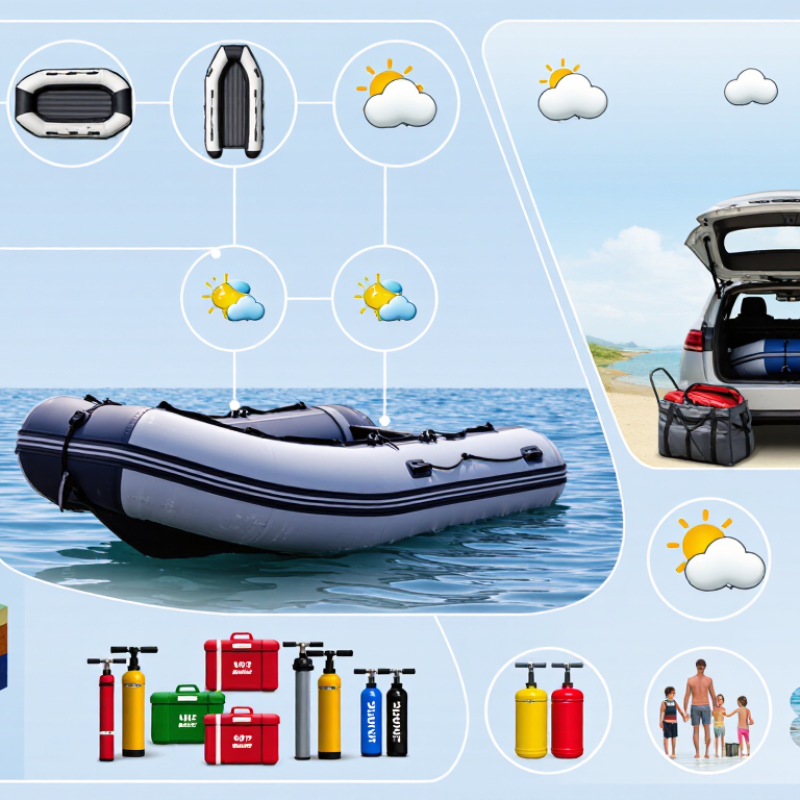
Define Your Intended Use and Boating Environment
Choosing the right inflatable boat starts with an honest question: where will you use it? A compact model may suit protected lakes, gentle rivers, or short trips from a larger vessel. A fishing setup needs stable seating, room for tackle, and a floor that tolerates repeated movement. For family use, count every passenger, cooler, life jacket, and small bag before trusting the capacity label. That number matters. Overloading reduces freeboard and makes turning less predictable.
Your boating environment should guide the hull and construction. Calm freshwater allows simpler designs, while tidal areas demand better tracking and stronger resistance to wind and chop. Saltwater can accelerate corrosion, so rinse metal parts and fabric after every outing. Cold water requires extra caution because capsizing becomes more dangerous. Look for secure grab lines, dependable valves, reinforced seams, and enough buoyancy around the sides. A deep inflatable keel can improve direction control, but it may make shallow launches less convenient.
Think about transport, storage, and inflation time too. A heavier boat may feel more solid, yet carrying it down a muddy bank can become exhausting. Visit a dealer or test a similar model when possible. Sit inside, check legroom, and imagine lifting it with wet hands. Do not choose from photos alone. One common mistake is buying for ideal weather rather than ordinary weather. Reconsider your plan if wind, changing water levels, or limited launching space is part of your normal route.
Compare Boat Types, Materials, and Construction Quality
How to Choose the Right Inflatable Boat?
Choosing the right inflatable boat starts with its intended use. A compact round-bottom tender turns easily around docks and shallow shorelines. A flat-bottom model feels steadier for fishing, but it may drift more in wind. For longer trips, a V-shaped hull usually tracks better and handles small waves with greater control. Do not choose by length alone. Interior space, load capacity, and packed size matter just as much.
Material affects durability, weight, and maintenance. PVC-coated fabric is often light, affordable, and easy to repair. CSM-coated fabric generally resists heat, sunlight, and harsh conditions better, but it costs more and may weigh more. Look beyond fabric names. Check the fabric thickness, coating layers, seam finish, and valve quality. Heat-welded seams can provide consistent bonding, while poorly finished glued seams may lift at the edges. I once focused too heavily on appearance and missed a weak floor attachment. That mistake changed how I inspect boats.
Tips: Press along every seam and inspect the transom carefully. Inflate the boat fully and leave it for several hours. A softening chamber may indicate a small leak. Check the floor for flex under your weight. Measure the packed bag before buying, because storage problems become frustrating quickly. Bring a repair kit, even for short outings.
Choose the Appropriate Size, Capacity, and Weight Rating
Choosing an inflatable boat starts with the people and equipment onboard. The U.S. Recreational Boating Statistical Abstract from NMMA recorded about 11.6 million registered recreational boats in 2023. Most were under 26 feet, showing that compact designs remain practical for everyday use.
Measure the real load carefully. Include passengers, battery, fuel, anchor, cooler, motor, and safety equipment. A boat rated for 1,100 pounds may carry less than expected after adding a 120-pound outboard and 80 pounds of gear. ISO 6185 guidance emphasizes following the manufacturer’s capacity plate and operating limits. Do not treat the maximum rating as a comfortable target. I prefer leaving at least 20 percent unused capacity, especially on choppy water.
Size affects handling as much as capacity. A 9-foot boat may suit two adults on calm lakes, while a 12-foot model offers better stability for four people and fishing equipment. Yet a larger hull needs more storage space and a stronger launch setup. The U.S. Coast Guard’s 2023 Recreational Boating Statistics reported 564 boating deaths, with drowning accounting for most fatalities. That data does not make every accident a sizing problem, but it demands honest planning. A crowded floor, overloaded tubes, or an underpowered motor can turn a short trip into a stressful one. Recheck the numbers. Your first estimate may be optimistic.
Check Safety Standards, Maintenance Needs, and Total Cost
How to Choose the Right Inflatable Boat?
Safety standards should guide the purchase, not bright colors or a low price. Look for compliance with ISO 6185 and the safety rules required in your area. Check the boat’s capacity plate, valve design, grab lines, and separate air chambers. These details matter when one chamber loses pressure. The U.S. Coast Guard’s 2023 Recreational Boating Statistics recorded 3,844 accidents and 564 deaths. Drowning caused 75% of reported fatalities, while 87% of victims were not wearing life jackets. A properly fitted personal flotation device remains essential, even during short trips.
Maintenance affects safety and ownership costs. After each outing, rinse away salt and grit, then dry the fabric before storage. Inspect seams, valves, and the floor for slow leaks. A pressure gauge, repair patches, and a suitable pump should be included in your budget. I once underestimated storage needs; a damp boat can develop unpleasant odors and material damage. That mistake was avoidable.
Calculate the total cost over several seasons. Include the boat, motor, fuel, safety equipment, registration, transport, storage, and periodic repairs. Industry surveys from the National Marine Manufacturers Association show that boating participation remains widespread in the United States, with more than 100 million people boating annually. That scale makes maintenance knowledge especially valuable, but participation does not equal preparation. Compare warranty terms, replacement-part availability, and expected service intervals. The cheapest hull may become expensive after repeated valve repairs. This is where careful comparison pays off.