
Choosing Zebra Window Blinds in 2026 requires more than matching fabric colors with a sofa. Homeowners now consider daylight control, privacy, energy performance, motorization, and long-term maintenance. The best blind is not always the most expensive option. It should respond to the room’s daily rhythm.
Window-treatment educator Deb Barrett explains, “The right shade balances light, privacy, and the way a room is used.” That idea remains useful when comparing zebra fabrics, cassette designs, and control systems. A bedroom may need closely aligned stripes and strong privacy. A living room may benefit from softer filtering fabric and wider panels. Measure each window carefully, including frame depth and handle clearance. Small errors matter.
Technology adds another decision. Battery-powered Zebra Window Blinds can support scheduled opening and closing, especially in hard-to-reach windows. However, smart features may increase cost and create future maintenance concerns. Reliable operation matters more than impressive packaging. Check motor noise, battery access, warranty terms, and compatibility with your existing home system.
Fabric density deserves attention, too. Darker stripes can reduce glare, while lighter tones may keep a small room feeling open. Moisture-prone spaces need materials that tolerate regular cleaning. Children and pets also require safer operating designs, with cords avoided wherever possible. Not every popular style will suit every window. That is easy to forget.
This guide examines practical choices for 2026, from measuring and fabric selection to installation quality and care. It also questions a common assumption: more automation does not automatically mean better comfort. The right decision should feel quiet, useful, and dependable every day.
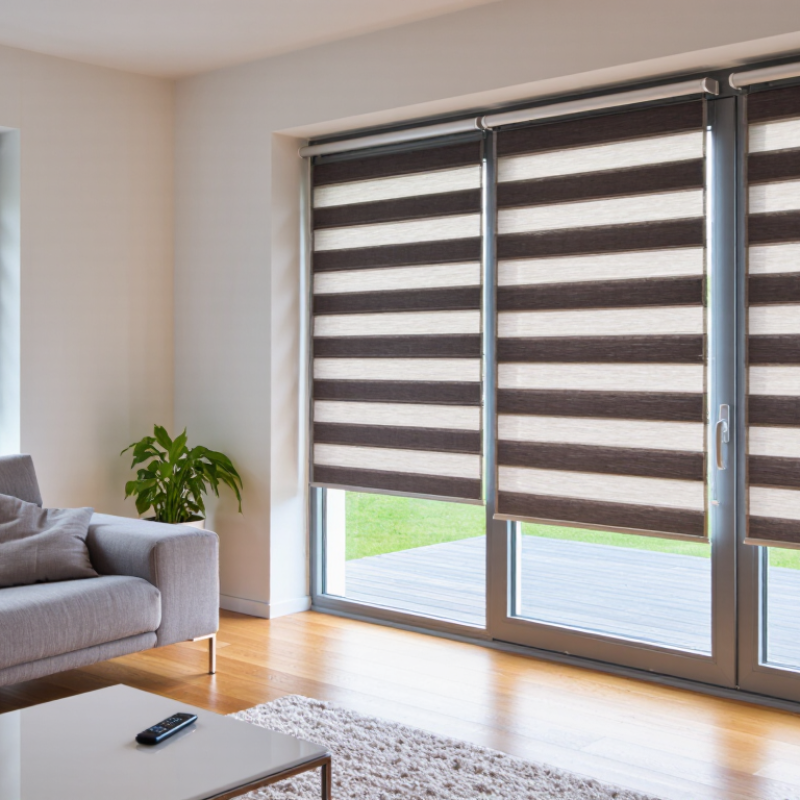
Zebra window blinds use two fabric layers that move together. Each layer has alternating sheer and opaque bands. When the bands align, daylight enters through the translucent sections. When they overlap, the blind reduces glare and improves privacy. The effect resembles a soft venetian blind, but the fabric feels warmer and less mechanical. A small chain or motor shifts the layers, allowing precise light control.
Their value becomes clearer near bright south-facing windows. At noon, open bands can spread gentle light across a desk. Overlapping bands can protect a television screen from sharp reflections.
The U.S. Department of Energy reports that windows cause about 25–30% of residential heating and cooling energy use. Zebra blinds cannot replace proper glazing, but they may reduce unwanted solar gain when positioned correctly. The 2023 UNEP Global Status Report for Buildings and Construction also attributes roughly 30% of global final energy demand to buildings, making small efficiency choices worth examining.
Measure carefully Measure inside the frame at three points, then use the narrowest width. Check the fabric openness factor, not only its color. A pale, tightly woven fabric may still admit uncomfortable glare. Blackout performance is often overstated; side gaps can leak morning light. I learned this after fitting a bedroom blind that looked opaque but left bright strips along both edges. Motorized control helps with tall windows, though it adds maintenance and charging concerns. Good selection is partly technical. It is also personal.
Room conditions should guide your zebra blind selection more than color trends. In a bright living room, measure the direction and intensity of sunlight during different hours. South-facing windows may need stronger light filtering to reduce glare on screens and fading on furniture. A softer sheer layer can keep daylight while protecting privacy. It may not block every reflection, though.
Bedrooms require careful control of light, especially near streetlights or early morning sun. Choose a fabric with a denser opaque stripe when darkness matters. Check the blind beside your bed, not only in a showroom. Small gaps at the sides can still allow distracting light. Blackout performance is often misunderstood.
Bathrooms and kitchens introduce moisture, steam, and grease. Select moisture-resistant materials that can be wiped clean without harsh chemicals. Avoid fabric with deep textures if cooking residue is common. A narrow window may suit a compact roller mechanism, while wide windows need secure, evenly supported installation. Measure twice.
For children’s rooms, cordless operation or concealed controls can reduce hazards. Keep furniture away from the window when possible. In my experience, convenience can hide maintenance problems. Dust collects quickly on pale horizontal stripes. A gentle weekly clean helps, but some materials still show marks. Consider how the room actually behaves, not how it looks on a sample card.
Choosing zebra window blinds in 2026 starts with the fabric, not the color. Polyester blends offer stable shape and easy cleaning, while textured weaves create a softer, warmer appearance. In humid rooms, avoid fabrics that feel heavy or absorb moisture easily. Start with samples.
Opacity controls comfort and privacy. Sheer stripes filter daylight, which works well in living rooms and home offices. Room-darkening fabrics suit bedrooms, nurseries, and rooms facing bright streets. Test each sample beside the window at noon and after sunset.
Not always. A fabric may look opaque in a showroom but appear lighter under direct sunlight. Consider how the blinds overlap when adjusted. Small gaps can affect privacy more than expected.
For color, match the blind with the largest fixed surface, such as flooring, walls, or a sofa. Warm beige can soften cool white walls, while gray may balance dark furniture.
Pale shades make narrow rooms feel more open, but they can reveal dust sooner. Deep colors add contrast, though they may make a small room feel enclosed.
Think twice.
I once preferred a dramatic charcoal sample, but the room became visually heavy after installation. A lighter woven gray worked better, despite looking plain at first. That imperfect choice taught me to judge samples in the actual room, not from a screen or showroom wall. Consider sunlight, privacy, maintenance, and mood together before ordering.
Choosing zebra window blinds in 2026 starts with accurate measurement, not color selection.
The U.S. Department of Energy reports that windows can cause 25–30% of residential heating and cooling energy use. A poor fit may increase light leakage and reduce comfort near the glass.
Decide between an inside or outside mount first.
For an inside mount, measure the window width at the top, middle, and bottom. Record the narrowest measurement. Measure height on the left, center, and right, then keep the tallest result. Use a metal tape measure and record measurements to the nearest 1/8 inch. Do not round up casually. Small errors become visible beside a frame.
For an outside mount, measure the glass area and add overlap around each edge. A 2–3 inch overlap often improves privacy, but nearby handles may require adjustment. Check the product’s minimum mounting depth, headrail clearance, and fabric deduction before ordering.
The Window Covering Manufacturers Association and ANSI A100.1 emphasize safe operating design, but safety depends on correct installation too. I once treated the frame as perfectly square; it was not. Measure twice, photograph the recess, and note obstacles such as locks, vents, and uneven trim.
How to Choose Zebra Window Blinds in 2026?
Choosing zebra window blinds starts with comparing practical features, not just colors. Dual-layer fabric lets you shift between filtered light and privacy. Check the fabric’s openness, especially for bedrooms and street-facing windows. A wider window may need stronger hardware and a steadier operating system. Measure twice. Small errors can leave visible gaps.
Installation affects both appearance and performance. An inside mount creates a clean, built-in look, but the recess must have enough depth. An outside mount can cover uneven frames and reduce light leakage. Before ordering, record the window width at three points and use the smallest measurement for an inside fit. This method is reliable, though not foolproof. Older frames may still require adjustment.
Maintenance should be compared carefully. Look for removable components and smooth surfaces that accept gentle dusting. A vacuum with a brush attachment can clean fabric without pulling the layers. Avoid soaking the material, since moisture may cause staining or warping. In humid rooms, inspect the bottom rail and brackets regularly. Professional installation is sensible for tall windows or multiple units, especially when secure mounting matters. I once underestimated uneven trim, and the blind looked acceptable from one angle but misaligned from another. A final level check would have prevented it.
Comparison of installation, light control, privacy, safety, and maintenance characteristics
Manual chain-operated blinds generally provide the simplest installation and lowest upfront complexity. Cordless designs improve child safety, while motorized systems offer the best convenience for large, high, or frequently used windows. Higher light-control and privacy scores indicate more effective adjustment between filtered daylight and coverage. Scores use a practical 1–5 comparison scale based on common operating characteristics rather than brand performance.