
Blog

Why Are Bicycle Socks Important for Global Buyers?

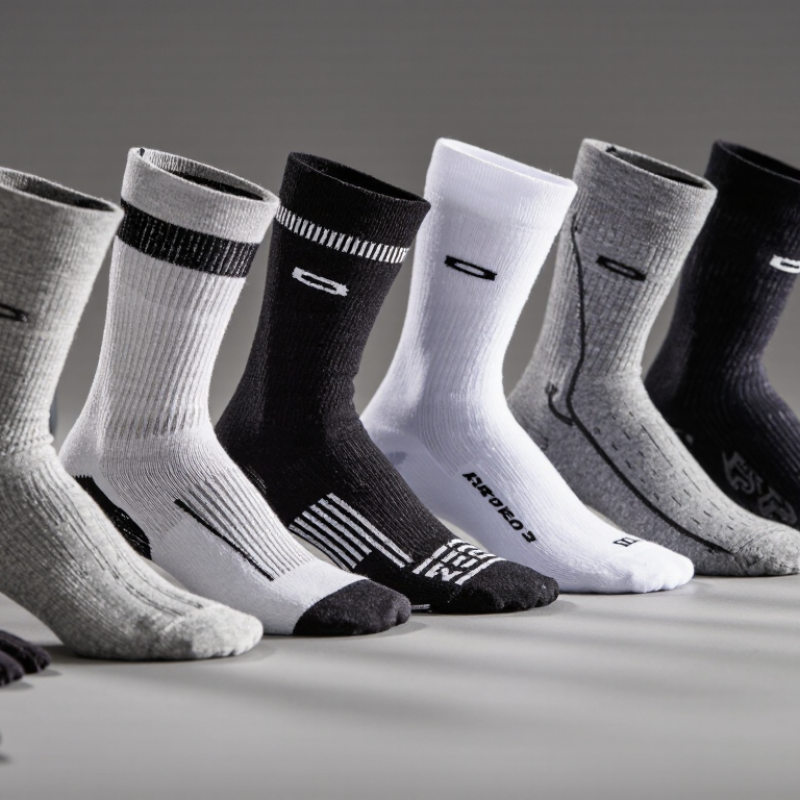
For global buyers, Bicycle Socks are not a minor accessory. They influence comfort, temperature control, durability, and the daily riding experience. A thin sock can feel excellent in a warm warehouse, yet fail during a wet morning commute. Small product details matter.

Elena Varga, a bicycle-textile product specialist, explains, “A good cycling sock disappears during the ride; a poor one becomes the ride.” Her observation reflects a practical truth. Buyers must examine fiber blends, cuff height, ventilation zones, seam placement, and washing performance. Merino wool can provide warmth and odor control. Polypropylene and nylon may improve drying speed and abrasion resistance. The right choice depends on climate, riding intensity, shoe fit, and customer expectations.

For international purchasing teams, consistency matters as much as appearance. A bright design may attract attention, but uneven sizing can create returns and damaged trust. A reinforced heel should survive repeated use. The cuff should stay firm without leaving deep marks. Simple tests help. Stretch the fabric. Inspect the toe seam. Wash samples repeatedly. Compare drying time.

Some assumptions deserve doubt. “Breathable” does not always mean comfortable. A higher price does not guarantee better performance. Even experienced buyers can overlook packaging, labeling, or seasonal demand. That weakness is worth admitting. Careful sampling, transparent specifications, and feedback from real cyclists make Bicycle Socks more reliable for global markets. Comfort is personal. Quality still needs evidence.
Why Are Bicycle Socks Important for Global Buyers?

What Bicycle Socks Are and How They Differ from Regular Socks

Bicycle socks are purpose-built for pedaling, not simply shorter sports socks. They usually use moisture-wicking yarns, targeted ventilation, and a firm arch band. Regular socks often use thicker cotton, loose cuffs, and less structured support. The difference becomes obvious inside a tight cycling shoe. A loose cotton cuff can slide down, while wet fabric may create hot spots and blisters. On a 100-kilometre ride, a few millimetres of extra seam pressure can become painful. Not every rider needs compression. That distinction matters for global buyers.

The WHO’s 2022 Global Status Report on Physical Activity estimates that 31% of adults worldwide do not meet recommended activity levels. This supports continued demand for practical activewear, including cycling accessories. For sourcing, buyers should ask about fiber content, drying tests, seam placement, and size grading. The Textile Exchange Materials Market Report 2024 recorded 124 million tonnes of global fiber production in 2023. Recycled fibers represented 7.6%. That statistic does not prove every recycled sock performs well. It encourages better questions about durability, dye stability, and washing. A sock can be technically advanced yet uncomfortable. Fit still depends on the rider, shoe, climate, and ride length. The category is useful, but not magical.

Key Functions of Bicycle Socks During Cycling

Bicycle socks do more than complete a cycling outfit. They manage moisture, reduce friction, and help regulate foot temperature. During a long ride, sweaty fabric can soften skin and create painful hot spots. A close-fitting sock keeps the material stable inside the shoe. This matters when pedaling repeatedly on steep roads. Many cycling socks use breathable zones across the top of the foot. Denser knitting around the heel and toe adds practical protection. The cuff can also prevent road dust from entering the shoe.

Tips: Choose a size that fits firmly without compressing your toes. Check the fiber blend, cuff height, and ventilation areas. Riders in hot regions may prefer thinner fabric. Cold-weather cyclists often need more insulation. Wash socks carefully, because heat can damage stretch fibers. Do not judge comfort by appearance alone.

For global buyers, climate and riding style should guide the selection. A commuter may value quick drying after daily use. A mountain rider may need stronger cushioning and abrasion resistance. A racing cyclist usually prefers a lighter, tighter design. Sock thickness must also match the shoe, or pressure can develop across the toes. That mistake is easy to miss before riding. Bicycle socks cannot fix poor footwear or incorrect sizing. Their performance depends on fit, material, and care. Even experienced riders sometimes choose attractive designs before checking these basic functions.

Materials, Construction, and Performance Features

Bicycle socks matter because feet face heat, sweat, vibration, and repeated friction. Material selection controls how the sock manages these stresses. Textile Exchange’s Materials Market Report 2024 recorded global fiber production at about 124 million tonnes in 2023. Polyester represented roughly 59% of output, while nylon accounted for about 5%. These figures show why buyers should examine fiber content, not only price. Polyester dries quickly and keeps its shape. Nylon improves abrasion resistance. Merino wool offers warmth and odor control, but it may dry more slowly. A small amount of elastane helps the cuff and arch stay secure.

Construction decides whether those materials perform well. Breathable mesh across the instep can release heat during long climbs. Light terry cushioning under the heel and forefoot reduces pressure on rigid cycling shoes. A flat toe seam prevents rubbing, especially when feet swell. The International Organization for Standardization’s ISO 6330 laundering procedures also remind manufacturers that washing can change dimensions and performance. A sock that fits perfectly before washing may not fit afterward. That detail is often ignored.

Tips: Ask for fiber percentages, cuff height, seam design, and tested shrinkage. Request fabric weight and washing instructions from suppliers. Do not assume thicker cushioning is always better; it can make tight shoes uncomfortable. For global orders, test samples in humid and dry conditions. One material blend rarely suits every market, and that is where product decisions need honest review.

Why Are Bicycle Socks Important for Global Buyers? - Materials, Construction, and Performance Features

Evaluation Dimension Common Material or Construction Typical Performance Characteristics Why It Matters to Global Buyers Recommended Specification to Check
Moisture Management Polyester, polypropylene, polyamide, or blended synthetic yarns Moves perspiration away from the skin and dries faster than standard cotton Helps reduce wet-foot discomfort during long rides and in humid climates Fiber composition, moisture-wicking test method, and drying-time data
Temperature Regulation Lightweight synthetic mesh, merino wool blends, or ventilated knit zones Supports airflow in warm conditions; wool blends can provide insulation in cooler conditions Allows buyers to select products for different seasons and regional markets Fabric weight, ventilation area, and intended temperature range
Breathability Engineered mesh panels across the instep and forefoot Improves air exchange and reduces heat and humidity inside the shoe Useful for cycling markets with hot weather, high humidity, or indoor training Mesh placement, open-knit percentage, and abrasion resistance of the mesh
Fit and Stability Arch-support bands made from elastic polyamide, polyester, or elastane blends Helps limit fabric movement, bunching, and pressure points during pedaling Consistent fit can improve comfort across different foot shapes and riding durations Elastic recovery, band width, size range, and fit after repeated washing
Cuff Retention Rib-knit cuff with elastane or covered elastic yarn Keeps the sock in position without relying on excessive compression Reduces the risk of slipping and improves the appearance of the product in use Cuff height, stretch range, pressure level, and recovery after laundering
Cushioning Selective terry loops or padded zones under the heel and forefoot Provides impact absorption and reduces friction in high-contact areas Important for endurance riding, rough roads, and customers seeking extra comfort Padded-zone location, knit density, thickness, and compression inside the shoe
Low-Bulk Construction Fine-gauge knitting and reduced-seam engineering Creates a thinner profile that fits more easily inside close-fitting cycling shoes Helps avoid pressure caused by excessive fabric volume or bulky seams Gauge, finished thickness, seam placement, and compatibility with cycling footwear
Toe Comfort Flat toe seam, linked toe, or seamless toe construction Reduces rubbing and localized pressure around the toes Supports comfort during extended use and can reduce returns related to fit complaints Seam profile, toe-room design, stitch security, and internal inspection standards
Durability High-tenacity polyamide or polyester reinforced at the heel and toe Improves resistance to abrasion caused by footwear, pedals, and repeated washing Longer service life supports customer value and reduces premature product failure Yarn type, abrasion-test results, reinforced-area coverage, and wash-cycle testing
Odor Control Merino wool, quick-drying synthetics, or textile treatments designed for odor reduction Limits moisture retention and can help control odor during repeated wear Relevant for touring, commuting, indoor cycling, and warm-weather markets Fiber content, treatment durability, skin-safety documentation, and care instructions
Compression Support Graduated or targeted elastic knit around the arch and lower leg Provides a closer fit and may reduce fabric movement; it is not a substitute for medical compression Enables product segmentation between everyday cycling socks and performance-oriented models Compression level, measurement location, sizing method, and applicable regulations
UV and Sun Exposure Dense-knit synthetic fabric with adequate coverage above the shoe line Offers physical coverage of the skin; protection varies with fabric density, color, and construction Useful for outdoor cycling markets with strong sunlight Coverage height, fabric construction, colorfastness, and verified UPF testing when claimed
Colorfastness Solution-dyed or conventionally dyed polyester, polyamide, cotton, or wool blends Quality dyeing helps reduce fading, staining transfer, and color change during washing Maintains retail appearance across different washing habits and water conditions Colorfastness to washing, perspiration, rubbing, and light according to recognized standards
Care and Washability Machine-washable synthetic blends with secure knitting and stable elastane Can retain shape and performance when washed according to the care label Clear care requirements reduce misuse, complaints, and inconsistent product life Recommended wash temperature, drying method, shrinkage, and shape retention results
Material Sustainability Recycled polyester or polyamide, responsibly sourced wool, and durable constructions May reduce reliance on virgin fibers or extend usable life, depending on the complete product system Supports sustainability requirements in retail tenders and environmentally conscious markets Verified recycled content, material certifications, traceability, and product durability data
International Sizing Foot-length sizing converted into regional size charts Clear sizing improves fit consistency across markets with different shoe-size systems Reduces confusion and helps distributors manage inventory across multiple countries Foot-length measurements in centimeters, regional conversions, tolerance, and grading rules
Compliance and Product Safety Textiles manufactured with controlled dyes, auxiliaries, elastics, and finishing agents Helps meet chemical, labeling, and consumer-product requirements applicable to the destination market Required for smoother customs clearance, retail acceptance, and consumer safety management Destination-country regulations, restricted-substance testing, fiber labeling, and packaging rules

Note: Performance depends on the complete sock design, yarn quality, knitting process, finishing, footwear fit, riding conditions, and care practices. Buyers should request representative samples and test reports before placing large orders.

How to Choose Bicycle Socks for Different Riding Conditions

Why Are Bicycle Socks Important for Global Buyers?

Choosing bicycle socks starts with the riding conditions, not appearance. Hot-weather riders need lightweight, breathable fabric that moves sweat away from the skin. Mesh zones can improve airflow around the toes and upper foot. For cold routes, thicker yarn and a longer cuff provide useful warmth. However, overly thick socks may create pressure inside tight cycling shoes. I learned this after a long, uncomfortable ride.

Tips: Check the local climate, ride duration, and shoe fit before selecting a sock style. For wet roads, quick-drying materials are more practical than heavy cotton. Wool blends can retain warmth, but they may feel too warm in humid regions. Riders in sunny areas should consider a secure cuff and fabric with UV resistance. Seam placement also matters. A raised toe seam can cause rubbing after several hours.

Fit should remain stable without restricting circulation. Elastic support around the arch can reduce movement, especially during climbing. Yet compression levels differ, and not every rider needs firm support. Buyers should request size charts and test samples when possible. Washing instructions deserve attention too. High heat can shrink fibers or weaken elasticity. Regional habits matter. Some riders wash socks daily, while others prioritize long-term durability. There is no universal choice, only a careful match between construction, weather, and personal comfort.

Why Are Bicycle Socks Important for Global Buyers?

How to choose bicycle socks for different riding conditions

The chart uses a practical 1–5 selection index, where 5 means the feature should receive the highest priority. Hot and humid rides emphasize moisture management and quick drying, while cold or wet conditions require stronger insulation and weather protection. Visibility and ankle coverage are useful considerations across most outdoor riding environments.

Global Buying Factors: Sizing, Standards, Quality, and Cost

Why Are Bicycle Socks Important for Global Buyers?

Bicycle socks support comfort, fit, and product consistency across international markets. The Business Research Company’s 2024 Cycling Apparel report valued the market at about USD 4.6 billion. That scale increases pressure on buyers to control small details, including yarn blend, cuff height, and moisture management. A sock that slips during a three-hour ride can quickly create returns.

Sizing is rarely universal. Measure foot length in millimeters, then check ankle and calf circumference. EU, US, and Asian size labels can differ substantially. Request a physical size set before approving bulk production. Quality checks should include seam strength, elastic recovery, colorfastness, and abrasion resistance. ASTM D4966 provides a recognized method for testing textile abrasion. ISO 3758 supports standardized care-label symbols, while ISO 2859-1 can guide sample inspection. These references improve communication, but they do not replace hands-on testing. I have seen a soft sample fail after repeated washing. It looked excellent at first.

Tips: Compare landed cost, not factory price. Include freight, duties, packaging, testing, and defect allowances. Ask for fiber percentages by weight and laboratory results. Check whether recycled content claims are independently verified. A cheaper yarn may reduce comfort and increase replacement costs. Still, premium construction is not automatically better. Buyers should test fit on different foot shapes, especially wider feet and higher insteps. A simple wear trial often reveals more than a polished specification sheet.