
Blog
Top Window Textiles Manufacturers and Suppliers?
Choosing top window textiles manufacturers and suppliers requires more than comparing glossy catalogues. The strongest partners combine fabric engineering, dependable production, accurate testing, and responsive service. Their materials may include sheers, dim-outs, blackout fabrics, roller-blind cloth, and acoustic curtains. Each option changes daylight, privacy, room temperature, and interior atmosphere.
Textile consultant Debbie McKeegan has observed, “Digital textile printing is no longer a niche technology.” Her statement matters here because modern suppliers can offer sharper patterns, shorter sampling cycles, and more flexible customization. However, digital printing alone does not prove quality. Buyers should examine fiber content, fabric weight, width, colorfastness, shrinkage, coating durability, and relevant fire-performance documentation. Details decide.
A practical review should also consider minimum order quantities, sample availability, production lead times, packaging, and after-sales support. A supplier may look impressive online, yet struggle with consistent dye lots or delayed replacement fabric. A physical sample can reveal stiffness, glare, seam behavior, and color shifts under morning sunlight. Catalog photos cannot show everything.
Sustainability claims deserve careful checking. Look for traceable fibers, measured recycled content, credible certifications, and transparent manufacturing information. No manufacturer is perfect. Even reputable companies may have limited regional stock or uneven performance across product lines. This guide therefore assesses leading window textiles manufacturers and suppliers through evidence, not reputation alone. The best choice depends on the project, climate, budget, installation method, and expected service life. A beautiful textile still fails when it cannot perform beside a real window.
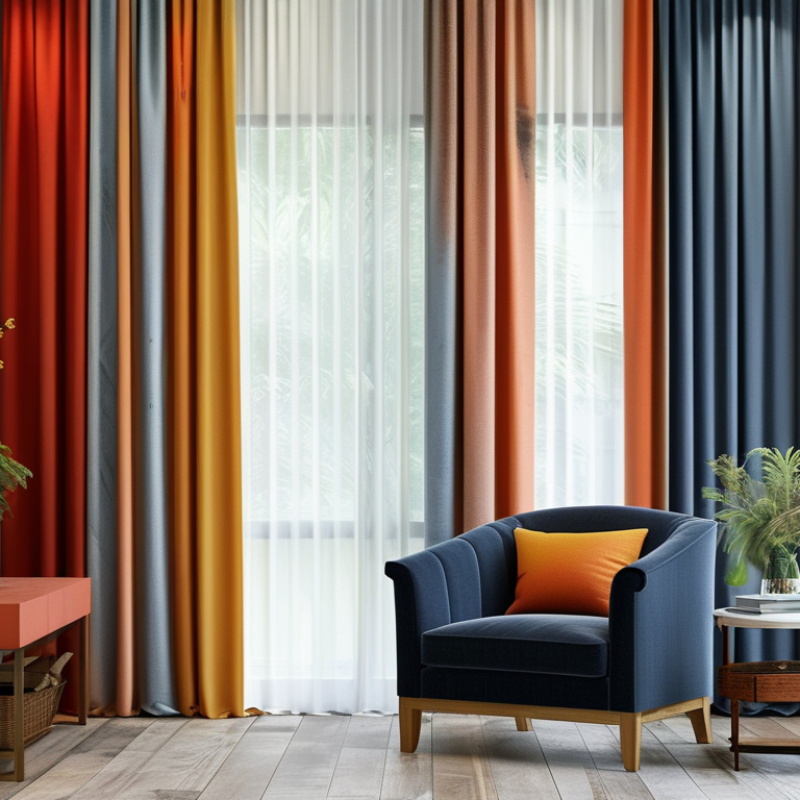
Types of Window Textiles and Their Main Applications
Window textiles combine privacy, light control, insulation, and interior style. The right material depends on the room’s exposure, humidity, and daily use. Cotton and linen provide a soft, breathable appearance for living rooms and bedrooms. However, natural fibers may wrinkle, fade, or shrink without proper finishing. Polyester offers stronger color retention and easier maintenance. It suits busy homes, rental properties, and office interiors.
Sheer fabrics filter sunlight while preserving a bright atmosphere. They work well in dining areas, reception rooms, and layered curtain systems. Dimout textiles reduce glare and support restful sleep in bedrooms or media rooms. Blackout fabrics block most incoming light and improve privacy. They are useful in nurseries, hotels, and conference spaces. Thermal textiles can reduce heat transfer near large windows. Their value becomes clearer beside cold glass during winter.
Experienced manufacturers and reliable suppliers should provide fiber content, fabric weight, shrinkage data, and care instructions. Testing a sample near the actual window is essential. Small differences in daylight can change the color significantly. It is easy to choose by appearance alone. That approach often disappoints. Suppliers should also explain seam behavior, hanging direction, and cleaning limits. I recommend checking the textile after washing or steaming, not only before installation. Some fabrics perform well in samples but reveal uneven drape across a full-length window.
| Window Textile Type | Typical Fiber or Material | Common Construction | Key Functional Properties | Main Applications | Typical Supply and Manufacturing Considerations |
|---|---|---|---|---|---|
| Sheer Curtains | Polyester, cotton, linen, or blended yarns | Lightweight plain weave, voile, or open-weave fabric | Soft daylight diffusion, privacy during the daytime, decorative appearance | Living rooms, bedrooms, dining areas, hospitality interiors, and layered window treatments | Suppliers commonly offer made-to-measure widths, multiple headings, washable finishes, and coordinated colors. |
| Blackout Curtains | Coated polyester, multilayer polyester, or tightly woven blended fabric | Three-pass coated, foam-backed, or dense multilayer construction | High light reduction, improved privacy, and moderate thermal insulation | Bedrooms, nurseries, home theaters, hotels, healthcare rooms, and offices requiring light control | Important specifications include blackout performance, coating durability, seam quality, odor control, and fire-performance options. |
| Thermal Curtains | Polyester, acrylic-coated fabric, cotton blend, or multilayer textile | Dense face fabric with insulating lining or interlining | Reduced heat transfer, improved draft control, and enhanced indoor comfort | Residential windows, cold-climate buildings, energy-conscious renovations, and seasonal interiors | Manufacturers typically evaluate lining weight, dimensional stability, thermal performance, and compatibility with existing hardware. |
| Solar Screen Roller Blind Fabric | PVC-coated polyester or fiberglass with polymer coating | Open-weave screen fabric with a defined openness factor | Solar glare reduction, outward visibility, UV protection, and reduced solar heat gain | Offices, glazed façades, conservatories, schools, healthcare facilities, and computer workspaces | Key purchasing data includes openness factor, shading coefficient, color, width availability, edge stability, and fire classification. |
| Roman Blind Fabric | Linen, cotton, polyester, viscose, or blended textile | Flat fabric panels with horizontal folds and a corded or motorized operating system | Tailored appearance, adjustable privacy, and efficient use of limited wall space | Bedrooms, living rooms, boutique hotels, restaurants, and residential renovations | Suitable fabrics should have adequate weight, low stretch, stable hems, and construction compatible with repeated folding. |
| Pleated Blind Fabric | Polyester, recycled polyester, or laminated textile | Pre-formed pleats, commonly arranged in single-cell or honeycomb structures | Compact stacking, flexible light control, and optional cellular insulation | Roof windows, small windows, apartments, offices, and energy-efficient residential projects | Suppliers usually provide custom sizes, top-down/bottom-up configurations, cordless systems, and motorized options. |
| Cellular Shade Fabric | Nonwoven polyester or laminated spun-bond textile | Single-cell, double-cell, or multi-cell honeycomb construction | Air-pocket insulation, glare control, privacy, and low-profile folding | Bedrooms, nurseries, passive-design homes, offices, and windows exposed to temperature fluctuations | Manufacturing quality depends on cell bonding, fabric recovery, seam alignment, operating-system integration, and color consistency. |
| Vertical Blind Fabric | Polyester, PVC-coated polyester, or composite textile | Long vertical louver panels with weighted or chain-linked bottoms | Wide-window coverage, directional light adjustment, and easy panel replacement | Sliding doors, panoramic windows, offices, clinics, schools, and commercial interiors | Common specifications include louver width, stiffness, washable surface, colorfastness, and resistance to edge fraying. |
| Roller Blind Fabric | Polyester, cotton-polyester blend, fiberglass, or coated technical textile | Plain, textured, blackout, translucent, or screen fabric wound around a tube | Simple operation, broad design range, compact installation, and scalable production | Homes, offices, retail stores, hotels, classrooms, and healthcare spaces | Reliable suppliers should define roll width, fabric thickness, tube compatibility, bottom-bar options, and light-transmission level. |
| Acoustic Curtain Textile | Heavy polyester, recycled PET felt, wool blend, or multilayer technical textile | Dense, layered, quilted, or pleated construction | Sound absorption, visual separation, and improved room acoustics | Studios, meeting rooms, theaters, restaurants, open-plan offices, and educational facilities | Performance should be assessed using declared acoustic absorption data, textile mass, pleat ratio, installation gap, and fire safety. |
| Flame-Resistant Curtain Textile | Inherently flame-resistant polyester, modacrylic, wool blend, or treated fabric | Woven or knitted fabric with inherent or applied flame-resistant properties | Controlled flame spread and suitability for regulated public interiors | Hotels, hospitals, schools, transportation facilities, theaters, and commercial buildings | Documentation should identify the applicable test method, laundering limitations, certification scope, and whether resistance is inherent or chemically applied. |
| Outdoor Awning Textile | Acrylic solution-dyed fiber, PVC-coated polyester, or technical mesh | High-tenacity woven fabric, coated mesh, or weather-resistant laminated textile | UV resistance, weather protection, solar shading, and dimensional stability | Terraces, balconies, cafés, storefronts, conservatories, and external solar-control systems | Important factors include waterproofing level, UV stability, mildew resistance, tensile strength, coating adhesion, and cleaning requirements. |
Related Posts
-
10 Best Window Fabrics to Elevate Your Home Decor in 2023
-
2025 Top Window Fabric Trends You Need to Know for a Stylish Home
-
What is Caroline Fabrics and How Do They Transform Your Home Decor?
-
What is Custom Drapery Fabric and How to Choose the Right One?
-
Enhancing Your Experience with Carole Fabrics Customer Service Tips for Success
-

10 Essential Tips for Finding the Best Drapery Workrooms Near You?