What Are the Most Popular Types of Casual Wear for Women?
Casual style is not one fixed uniform. It changes with the weather, daily plans, personal taste, and the comfort a woman wants from her clothes. Still, a few dependable pieces appear in many wardrobes: soft T-shirts, straight-leg jeans, relaxed trousers, simple dresses, knitwear, and clean sneakers. Casual Women Wear can also include leggings, skirts, lightweight jackets, and easy layers for shifting temperatures. The best choices usually balance movement, fit, and fabric. A cotton tee may feel right for a busy afternoon, while a loose dress can work well for a warm day. Small details matter, too. A waistband that digs in or a fabric that clings can make an outfit less comfortable.
This guide explores popular casual clothing types and the situations where they often work well. It considers everyday basics, relaxed denim, casual dresses, comfortable sets, and useful outer layers. Fit and fabric deserve attention, but there is no single formula for getting dressed. A roomy silhouette may suit one person and frustrate another. No outfit works for everyone. Trends can offer ideas, yet they do not always match real routines or personal preferences. Even a carefully chosen outfit can feel wrong by noon, and that is worth noticing rather than ignoring. The aim is to help readers compare practical options and build combinations that feel comfortable, look intentional, and suit ordinary life.
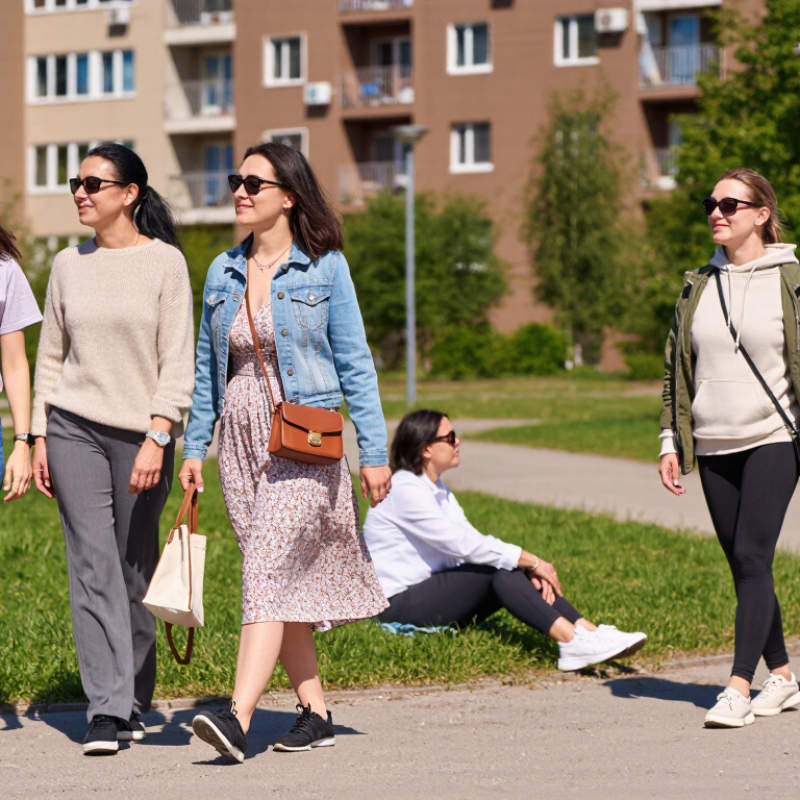
Defining Casual Wear in Women’s Fashion
Casual wear is best understood as clothing designed for everyday movement, comfort, and informal settings—not as one fixed list of garments. A cotton T-shirt, relaxed trousers, a soft knit, or clean sneakers may all fit. The setting matters: an outfit suitable for a grocery run might feel too relaxed for a client meeting. Fit, fabric, and finish change the impression. Small details count. A crisp collar can make a simple shirt look more considered, while a stretched hem can make it feel more like loungewear. The line is fuzzy, and personal routines shape it.
Industry figures help explain why casual styles cover so much ground. Grand View Research estimated the global athleisure market at $358.07 billion in 2023 and projected a 9.3% compound annual growth rate from 2024 to 2030. Athleisure is not the same as all casual wear, but the overlap shows how everyday clothing now includes performance-inspired pieces. That distinction is easy to overlook. A useful wardrobe definition considers whether clothes work for the wearer’s actual day, rather than whether each item belongs to a trend category. Comfort matters, but it is not the whole test: durability, weather, care needs, and the formality of a setting also affect whether an outfit feels appropriate.
Everyday Tops: T-Shirts, Blouses, and Sweaters
Everyday tops shape how comfortable and put-together an outfit feels. A cotton T-shirt works well with jeans, relaxed trousers, or a skirt. Look for a neckline that sits flat and sleeves that let you move without pulling. Fabric weight matters, too: a slightly thicker knit may drape better and show less underneath. Small details matter. Still, the softest shirt is not always the one that holds its shape after repeated washing.
Blouses offer a more polished option without feeling formal. A loose button-front style can be tucked into high-waisted trousers, while a softly gathered blouse pairs easily with simple denim. Check how the fabric feels at the collar and under the arms; those areas can become uncomfortable during a long day.
Sweaters bring warmth and texture. Fine knits suit layering over a tee, while chunkier styles feel cozy on cool mornings. I sometimes reach for an oversized sweater, then realize the extra fabric can overwhelm a smaller outfit.
Tips: Before buying, try sitting, reaching, and layering the top over a camisole or tee. Check the care label and seams. Choose a few dependable colors, but leave room for a shade you simply enjoy wearing.
Casual Bottoms: Jeans, Leggings, and Skirts
Jeans remain a dependable casual choice because they work with simple tees, soft sweaters, and light jackets. Straight-leg and relaxed cuts allow easier movement than very tight styles. Check the waistband while sitting, not just standing; a comfortable fit should not dig in or slide down. Midweight denim is useful across seasons, though it can feel stiff at first. A little stretch helps, but too much may cause the knees to bag during the day.
Leggings are popular for errands, travel, and relaxed days at home. Look for a fabric that feels substantial and stays opaque when you bend or stretch. A wide waistband can feel steadier, but it should not roll when you move. I sometimes choose leggings for convenience, then realize they need a longer top to feel balanced. Small detail, big difference. Wash them according to the care label, since heat can shorten the life of elastic fibers.
Skirts bring variety without requiring a dressy outfit. Cotton or jersey styles pair easily with sneakers, while denim skirts offer a sturdier feel. For everyday wear, consider the length when sitting, climbing stairs, or walking in wind. Pockets are handy, but they can pull at a lightweight fabric. A skirt that looks perfect on a hanger may move awkwardly in real life, so take a few steps before deciding.
Dresses and One-Piece Casual Outfits
Casual dresses work well when comfort and movement matter more than a polished, formal look. A cotton shirt dress, for example, feels easy on a warm afternoon and pairs neatly with flat sandals. A soft knit dress suits cooler days, especially with a light jacket and comfortable shoes. Check the fabric in natural light: thin material may cling or become transparent, while heavier fabric can feel warm indoors. Small details count. Pockets are useful, but their placement can make a skirt pull unevenly.
One-piece outfits, including jumpsuits and rompers, offer a simple way to get dressed without matching separate pieces. Look for a waist that sits comfortably when you sit, bend, and reach; a garment that fits only while standing may become annoying quickly. The length matters too. Wide legs should clear the ground, and shorter styles should allow easy movement. Fit changes everything. I sometimes find that a jumpsuit looks effortless on a hanger but takes more effort in a busy day, especially when using the restroom. That trade-off is worth considering before choosing one for travel or long outings. Choose breathable fabric and closures you can manage without help. A little trial and error is normal.
Casual Layers, Footwear, and Accessories
Casual layers make everyday outfits adaptable. A cotton tee, lightweight cardigan, and relaxed jacket can handle a chilly commute and a warm afternoon. The 2024 State of Fashion report by The Business of Fashion and McKinsey found that 71% of surveyed fashion executives expected consumers to spend less on fashion. That makes versatile pieces worth considering. Still, one perfect outfit rarely works for every day.
Footwear sets the pace. Clean sneakers suit long walks, while flat ankle boots add coverage on rainy days. A crossbody bag keeps essentials close; a soft scarf adds warmth without much bulk. The 2024 ThredUp Resale Report estimated that the U.S. secondhand apparel market grew 14% in 2023, nearly five times faster than the broader clothing market. It’s a useful reminder to look for well-made layers and accessories that can stay in rotation. I sometimes choose a bag for looks, then regret the cramped pockets.
Tips: Before buying, check the care label, test the shoe fit late in the day, and try your usual essentials inside the bag. Small details matter.