
Blog

How to Order Custom Chinese Lanterns in Bulk

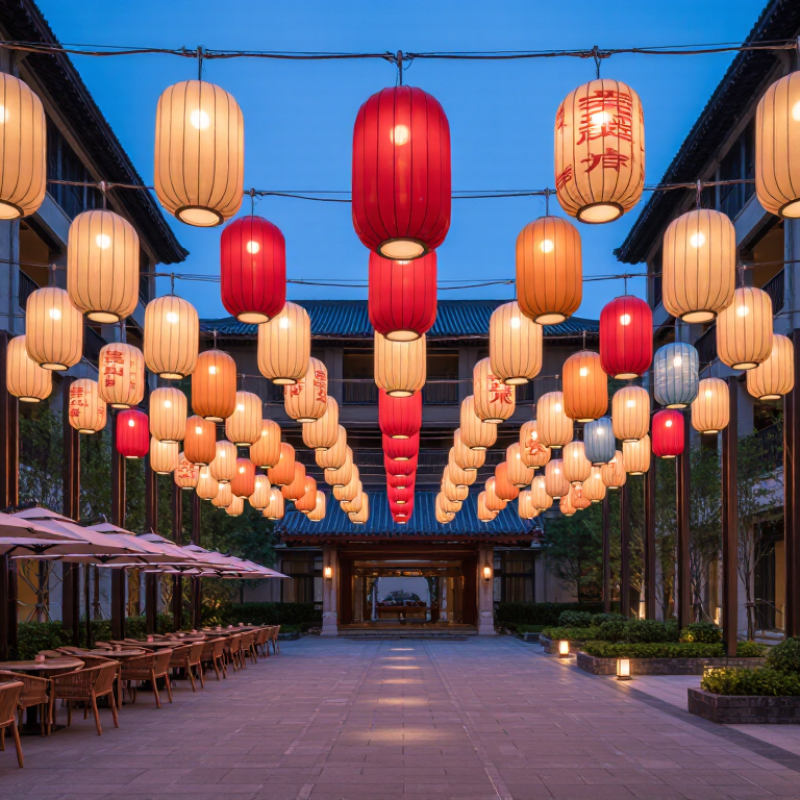
Ordering custom chinese lanterns in bulk is a design decision and a sourcing decision. The right process starts with the setting: a hotel courtyard, a festival walkway, or a row of lanterns above a dining area. Each needs different sizes, hanging hardware, and lighting. Small choices become expensive when repeated across hundreds of units.

Grand View Research estimated the global event management software market at $7.33 billion in 2023, reflecting broader investment in organized events. That figure does not measure lantern sales, but it signals a growing need for dependable event suppliers. For buyers, clear specifications matter. Define lantern diameter, frame material, fabric, print colors, packaging, and delivery schedule before requesting a quote. Ask for a physical sample, too. Screen colors can look different on fabric.

Quality expert Joseph M. Juran’s well-known principle, “Quality is fitness for use,” offers a useful test for bulk orders. A lantern should suit its venue, handling needs, and display period—not just look attractive in a product photo. Confirm how the supplier checks color consistency and protects finished pieces in transit. Then document approved details in writing. Even a careful checklist can miss something; that is worth reviewing before production begins. This guide explains how to compare suppliers, evaluate samples, and place an order with fewer surprises.
How to Order Custom Chinese Lanterns in Bulk

Define Your Bulk Order Requirements and Project Goals

Before requesting quotes, define what the lanterns must do. Start with the use. Are they for a night market, a wedding entrance, or a seasonal display? Record the venue, indoor or outdoor placement, hanging height, preferred diameter, colors, lighting method, and installation schedule. Then estimate quantities by zone, including a small allowance for replacements. I would revisit that estimate after a venue walk-through; early counts can be guesses. It is easy to specify color precisely and overlook how each lantern will be hung.

Set measurable project goals before choosing materials. For example, note the required delivery date, target cost per lantern, packaging needs, and whether artwork must match across separate batches. The Events Industry Council and Oxford Economics estimated that business events generated US$1.6 trillion in direct spending in 2019, underscoring the scale and coordination involved in event planning. For illuminated designs, the U.S. Department of Energy’s Energy Saver guidance says LEDs use at least 75% less energy than incandescent lighting and can last up to 25 times longer. Ask suppliers to state the light source and operating details clearly. Request a physical sample to check color, fabric appearance, and hanging hardware under realistic venue lighting. A screen preview is not enough.

Example 500-Lantern Bulk Order Mix by Diameter

Use a size mix like this as a starting point when defining order quantities and project goals. This is an illustrative planning example, not supplier data.

Planning note: Confirm each lantern’s diameter, color, intended use, and delivery date before requesting bulk pricing. Adjust the quantities to suit your venue and installation plan.

Choose Lantern Styles, Materials, Sizes, and Customization

Choosing custom Chinese lanterns in bulk starts with the setting. Round lanterns create a familiar festive look, while elongated styles suit walkways and hanging displays. Measure ceiling height and spacing before selecting sizes. A lantern that looks generous in a sample room can feel crowded across a low indoor ceiling.

Material affects both appearance and handling. Paper gives a soft, traditional glow, while fabric may tolerate repeated setup better. Ask for material samples and check seams, frame strength, and color under the lighting you plan to use. Small details matter. Printed colors can shift slightly between a digital proof and the finished material, so approve a physical sample when color matching is important.

Share your quantity, dimensions, artwork, hanging method, and delivery schedule in one written specification. For customization, confirm print placement, color references, and whether each lantern needs individual packaging. Request a sample before production, then inspect it for scale, finish, and assembly time. The first sample may not be perfect; note specific changes rather than relying on vague feedback. Also ask how the lanterns should be stored and whether the selected lighting is suitable for their material. Bulk orders reward clear details, though not every variation can be eliminated.

Compare Suppliers, Minimum Orders, Pricing, and Lead Times

When ordering custom Chinese lanterns in bulk, compare suppliers using the same written specification. Include finished diameter, frame material, covering, hanging hardware, print colors, and packaging. Small differences can change quotes. Ask for photos of similar finished work and a preproduction sample. A sample takes time, but it can reveal loose seams or colors that look dull under warm light.

Check the minimum order quantity by design, not just total units. Some suppliers set a separate minimum for each size or artwork. Request prices at several quantities, such as 100, 300, and 500 units. Have setup, packing, and shipping costs listed separately. Cheap unit rates can hide extra fees. Ask how defects are documented and whether replacements are covered. Get the terms in writing.

Lead times need detail. Ask when sample approval, production, inspection, and dispatch happen. Then allow for transit and customs clearance. Peak-season capacity can tighten quickly. A very short promise may not account for material availability. Request a dated production plan. Add a few spare days. It can feel wasteful, but a late order is harder to fix than a modest buffer. Supplier comparisons are rarely perfect; revise the checklist after reviewing the first sample.

Review Samples and Approve the Final Design

Before placing a bulk order, request a physical lantern sample made with the intended fabric, frame, printing method, and hanging hardware. A screen proof cannot show how silk-like material diffuses light or how a seam looks under tension. Check the lantern when lit and unlit. Small details matter. Measure its diameter and height, inspect the top and base, and compare printed colors against an agreed reference. McKinsey’s 2021 Next in Personalization report found that 71% of consumers expect personalized interactions. For custom lanterns, that makes clear approval of artwork, colors, and dimensions especially important.

Record every approved detail in a dated specification sheet, including material, color references, artwork placement, packaging, and acceptable size variation. Ask the supplier to confirm that bulk production will follow the approved sample. PwC’s 2018 Future of Customer Experience survey reported that 32% of consumers would stop doing business with a company after one bad experience. It is not a lantern-specific finding, but it underscores why a preventable mismatch can matter. Keep one signed sample for comparison when the shipment arrives. Do not rush. Even a carefully reviewed sample cannot reveal every production variation, so allow time for a final discussion if a detail feels uncertain.

Confirm Production, Quality Checks, and Shipping Details

Before production, confirm the lantern’s finished diameter, frame material, paper or fabric color, hanging method, and packaging for each unit. Approve a physical sample under neutral light; phone photos can hide color shifts and uneven seams. Record the accepted dimensions and color reference on the purchase specification. Small variations may still occur in handmade details. That is worth discussing plainly, not discovering after delivery. Ask the supplier to confirm the production schedule, quantity checkpoints, and what happens if sample-approved details are missed.

Set quality checks before the order is packed. Request inspection records covering dimensions, frame stability, print alignment, surface marks, and carton counts. For a large order, agree whether checks happen during production, before packing, or both; a final inspection alone may reveal problems too late. Shipping needs the same precision. Confirm carton size and weight, pallet requirements, shipping method, dispatch date, destination, and who handles freight documents. UNCTAD’s Review of Maritime Transport 2024 notes that more than 80% of world merchandise trade by volume moves by sea, so port delays can affect delivery plans. Build in schedule flexibility. It may feel overly cautious, but a clear buffer is cheaper than a rushed replacement shipment.

How to Order Custom Chinese Lanterns in Bulk - Confirm Production, Quality Checks, and Shipping Details

Use this planning table to confirm order details before production. Lead times and shipping estimates are indicative; confirm them against the design, order quantity, destination, and current production schedule.
Order Stage Details to Confirm Planning Guide Record or Check
1. Define the order Quantity by design, lantern dimensions, intended use, target delivery date, and destination country. Prepare one consolidated specification before requesting a production schedule. Written specification, quantity breakdown, delivery address, and required arrival date.
2. Approve the design Artwork, colors, material, frame construction, hanging method, and any lighting or electrical components. Allow time for a digital proof and, when needed, a physical sample. Sampling often takes several business days, depending on complexity. Signed-off proof or sample, approved color references, and documented revisions.
3. Confirm the order terms Unit price, setup or tooling charges, payment milestones, packaging, and responsibility for freight and import charges. Confirm the final total and agreed trade terms in writing before production begins. Order confirmation showing specifications, quantities, costs, payment terms, and delivery terms.
4. Schedule production Start date, production duration, material availability, and the effect of design changes on the schedule. Custom bulk production may take a few weeks after approvals; timing varies with quantity, construction, and factory capacity. Written production calendar with approval, production, inspection, and dispatch milestones.
5. Check quality Color consistency, print placement, dimensions, frame stability, seams, finish, and functional checks for included lighting. Agree inspection timing, sample size, defect definitions, and acceptance criteria before production. Inspection checklist, measured sample results, defect photos, and written approval or corrective-action record.
6. Confirm packing Individual protection, carton quantity, carton dimensions and weight, labeling, and packing method for lantern frames. Request a packing plan that protects delicate surfaces and prevents frame deformation in transit. Packing list, carton measurements, net and gross weights, and photos of packed cartons.
7. Choose shipping Air, sea, or courier service; delivery address; customs documentation; insurance; and who handles import clearance. Air and courier services are generally faster; sea freight is generally slower and may suit larger shipments. Transit times vary by route and clearance. Written freight quote, estimated transit window, shipping terms, and required commercial documents.
8. Dispatch and track Dispatch date, carrier details, tracking reference, shipment documents, and process for reporting transit damage. Allow extra time for export handling, customs processing, and final delivery. Tracking information, final packing list, applicable transport document, and delivery contact details.
Final check: Keep the approved design, order terms, inspection criteria, packing plan, and shipping instructions in one written record before authorizing production.