What are Soft Window Treatments and How to Choose Them?
Soft window treatments play a vital role in interior design, adding both functionality and aesthetic appeal. According to industry reports, the global market for window treatments is projected to reach over $25 billion by 2025. This growth highlights the increasing consumer interest in stylish and versatile options. Soft window treatments include curtains, drapes, and shades that offer unique flexibility in style, color, and texture.
When choosing soft window treatments, it's essential to consider factors such as light control, insulation, and privacy. Many homeowners overlook these elements, often leading to dissatisfaction with their selections. Research shows that 40% of consumers regret their window treatment choices due to these unheeded details. Each type of soft treatment serves different purposes, and understanding these differences is crucial for making an informed decision.
Durability is another important aspect. Some fabrics may fade or wear quickly, diminishing their value. Therefore, it's vital to invest time in researching quality materials and reputable brands. The right choice can significantly enhance a room's atmosphere, reflecting personal style while providing practical benefits. Balancing personal taste with informed decision-making is key.

Understanding Soft Window Treatments: Definition and Types
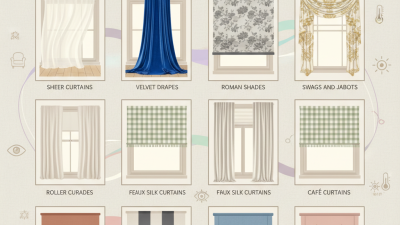
Soft window treatments refer to fabric-based coverings that enhance the aesthetic and functional aspects of windows. They come in various types, including curtains, drapes, and shades. Each type has its unique features and styles, allowing homeowners to customize their spaces. For instance, curtains are typically lighter and offer a casual look, while drapes provide a more formal touch and can offer light control.
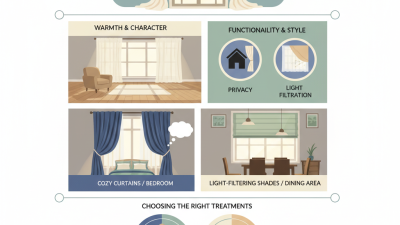
When selecting soft window treatments, consider the room’s purpose. In bedrooms, heavier fabrics can provide privacy and block out light effectively. In kitchens, lighter, breathable fabrics are often preferred for a more airy feel.
**Tips:** Always think about maintenance. Some materials may be easier to clean than others. You want something that lasts without too much effort. Play with textures and layers. Combining different fabrics can add depth to the design. Perhaps a sheer fabric layered under a heavier drape works for your space.
Remember to consider the color scheme. Neutral tones can blend with any decor, while bold colors can become a focal point. However, be cautious. A too bold choice might overwhelm smaller spaces.
Benefits of Soft Window Treatments in Home Decor
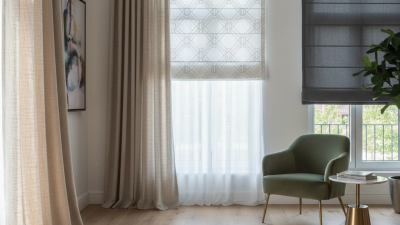
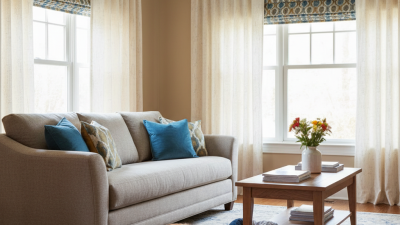
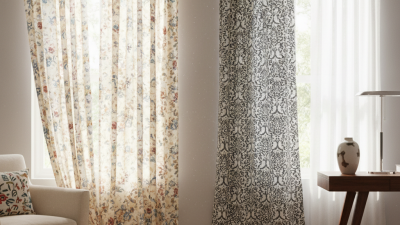
Soft window treatments enhance the aesthetic appeal of your home. They add warmth and texture, creating an inviting atmosphere. These treatments come in various fabrics, colors, and patterns, allowing for endless customization. Whether you prefer sheer curtains or plush drapes, they elevate any room's decor.
One of the significant benefits is light control. Soft window treatments can filter natural light beautifully. This feature helps in maintaining privacy while still illuminating your space. They soften the harshness of sunlight, making a room feel cozy. Choosing the right opacity can drastically change a room's mood. Consider how much light you want and what the room's purpose is.
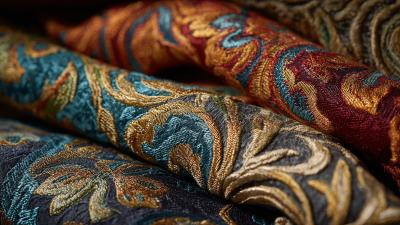
Tips: When selecting soft treatments, think about the fabric. Lighter fabrics work well in warmer spaces. Richer, heavier fabrics lend an air of luxury but may limit light. Don’t shy away from bold colors or prints; they can be a focal point. Experiment with layering different textures for added depth. Always measure your windows accurately; improper sizing can lead to frustration and aesthetics that fall short.
What are Soft Window Treatments and How to Choose Them? - Benefits of Soft Window Treatments in Home Decor
| Type of Soft Window Treatment |
Key Benefits |
Best Materials |
Ideal Room |
| Curtains |
Add warmth, enhance privacy |
Cotton, Linen, Polyester |
Living Room, Bedroom |
| Drapes |
Light control, sound absorption |
Velvet, Silk, Heavyweight Fabrics |
Home Theater, Bedroom |
| Sheer Panels |
Natural light filtration, airy feel |
Sheer Polyester, Voile |
Dining Room, Kitchen |
| Roman Shades |
Customizable, modern look |
Cotton Blends, Bamboo |
Office, Living Room |
| Valances |
Decorative accent, hides hardware |
Cotton, Jacquard |
Any room, especially with blinds |
Key Factors to Consider When Choosing Soft Window Treatments
Soft window treatments can greatly enhance the aesthetics of your space. When choosing them, consider the fabric type. Light fabrics can let in soft light while heavier ones provide more privacy. Choosing the right material will affect both the look and functionality of your window coverings.
Curtains, drapes, and shades all offer different benefits. Think about the room's purpose. For bedrooms, blackout curtains can help with sleep. In living areas, sheer options allow for light while maintaining some privacy. This balance plays a vital role in setting the mood of the room.
**Tips:** Always consider color and patterns that complement your existing decor. A bold print can add character, while neutral tones might create a serene atmosphere. Don't forget to measure correctly; poor measurements can lead to frustration and wasted fabric. Explore layering techniques for added depth and dimension.
Soft Window Treatments Comparison
This chart illustrates the popularity of different types of soft window treatments, measured on a scale from 0 to 100. Drapes are the most popular option, followed by curtains and shades, while valances are less favored.
Popular Fabrics and Materials for Soft Window Treatments
Soft window treatments come in various fabrics and materials, making them popular for enhancing home aesthetics.
Cotton is frequently chosen for its versatility and natural feel. It is breathable and available in countless patterns.
A cotton curtain can instantly add warmth and texture to any room.
Linen is another excellent option. It offers a more casual look. Its durability makes it suitable for high-traffic areas.
However, it can wrinkle easily, which may require frequent ironing.
On the other hand, polyester blends are a practical choice for busy households. They are often resistant to fading and wrinkling, making them low-maintenance.
Silk curtains exude luxury but require special care. They can be expensive and are not ideal for rooms with high humidity.
Sheer fabrics also have their advantages. They allow light to filter through while providing some privacy.
However, sheer curtains alone may not provide enough insulation.
It's essential to weigh the pros and cons carefully. Experimenting with combinations of these materials can lead to unique designs but requires thoughtful consideration.
Installation and Maintenance Tips for Soft Window Treatments
When it comes to installing soft window treatments, attention to detail is vital. Begin by measuring your windows accurately. Use a metal tape measure for precision. The right measurements ensure a perfect fit. This step can be challenging, especially in older homes where windows may not be uniform. Make sure to double-check numbers to avoid costly mistakes.
Mounting the treatments can pose issues if not done properly. Always follow the manufacturer’s guidance. Wall studs may not be evenly spaced, complicating the installation. Consider using wall anchors for support in drywall. It’s easy to overlook this, but a secure installation prevents treatments from sagging or falling. Think about how often you will open and close your treatments; this affects longevity.
Maintenance of soft window treatments does require some effort. Regular dusting or vacuuming keeps them looking fresh. Some materials may need spot cleaning to tackle stains. However, overzealous cleaning can damage delicate fabrics. It’s wise to test a small area first. Remember, soft treatments can fade over time, especially in direct sunlight. Consider rotating them occasionally to ensure even exposure. Keep these points in mind for a successful and long-lasting installation.