Why Soft Window Treatments Are the Key to Energy Efficiency and Home Comfort
Soft window treatments have become increasingly popular as homeowners seek to enhance both energy efficiency and the overall comfort of their living spaces. These fabric-based solutions not only add a layer of aesthetic appeal to interiors but also serve a functional purpose in regulating indoor temperatures throughout the year. As we delve into the multitude of benefits that soft window treatments offer, it is essential to recognize their role in reducing energy consumption, ultimately leading to lower utility bills and a smaller carbon footprint.
Moreover, soft window treatments provide versatility in light control and privacy, allowing homeowners to create an inviting atmosphere tailored to their specific needs. By effectively managing sunlight and preventing drafts, these treatments contribute to maintaining a consistent indoor climate, which is pivotal for comfort. As we explore the intricate connection between soft window treatments and energy efficiency, it becomes evident that these elements are not merely decorative; they play a crucial role in fostering a sustainable and cozy home environment.

The Role of Soft Window Treatments in Regulating Indoor Temperatures
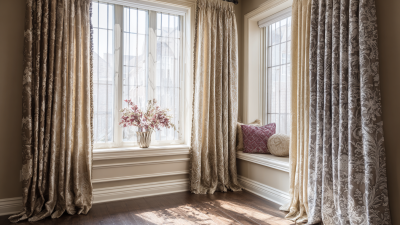
Soft window treatments, such as curtains and drapes, play a crucial role in regulating indoor temperatures, contributing significantly to energy efficiency and overall home comfort. These treatments act as insulators, providing a barrier between the indoor environment and external weather conditions. During the summer months, light-colored, reflective fabrics can help to deflect sunlight, keeping interiors cooler. Conversely, heavier fabrics in winter can trap warmth inside, reducing the need for heating and decreasing energy costs.
Moreover, the versatility of soft window treatments allows homeowners to adjust them according to seasonal changes. By fully closing drapes at night during colder months, one can minimize heat loss through windows. In contrast, during sunlit hours in warmer months, opening soft treatments invites natural light while preventing excessive heat gain. Overall, the strategic use of soft window treatments can enhance not only temperature regulation but also enhance the aesthetic appeal of any room, proving them to be essential components of an energy-efficient home.
Energy Efficiency Improvement with Soft Window Treatments
How Soft Fabrics Enhance Insulation and Reduce Energy Bills
Soft window treatments play a crucial role in enhancing home insulation and reducing energy bills. According to the U.S. Department of Energy, effective window treatments can reduce heat loss in winter by up to 30% and heat gain in summer by approximately 50%. Fabrics like thermal curtains and shades act as barriers that help maintain a consistent indoor temperature, thus easing the load on heating and cooling systems. This not only enhances home comfort but also translates into significant savings on energy costs, allowing homeowners to benefit economically while enjoying a cozy living environment.
Moreover, a study from the American Society of Interior Designers reveals that homes equipped with soft window treatments can achieve energy savings of around $100 to $200 annually, depending on the type and installation. The study underscores the importance of choosing fabrics designed for insulation, such as blackout or energy-efficient materials, which can reduce reliance on HVAC systems. By investing in quality soft fabrics for window treatments, homeowners not only improve their energy efficiency but also contribute to a more sustainable lifestyle while enjoying the aesthetic appeal of beautifully dressed windows.
Choosing the Right Materials for Optimal Energy Efficiency
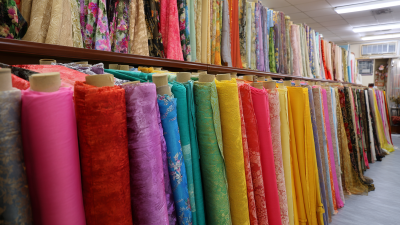
When it comes to optimizing energy efficiency in the home, the choice of materials for soft window treatments plays a pivotal role. Natural fabrics such as cotton, linen, and silk not only provide aesthetic charm but also contribute significantly to insulation. These materials can help regulate indoor temperatures by trapping heat during winter months and keeping spaces cool in the summer. By incorporating layered treatments, such as combining sheer curtains with heavier drapes, homeowners can enhance thermal performance while maintaining style.
Moreover, the use of specialized energy-efficient fabrics, including blackout and thermal materials, can further boost the effectiveness of window treatments. Blackout curtains effectively block out sunlight, reducing reliance on air conditioning during warmer months. Thermal materials, often lined or coated, act as barriers against external temperatures, which lessens the need for heating and cooling, resulting in lower energy bills. Choosing the right materials not only elevates comfort but also serves as a strategic investment in a more energy-efficient home.
Aesthetic Benefits of Soft Window Treatments for Home Comfort
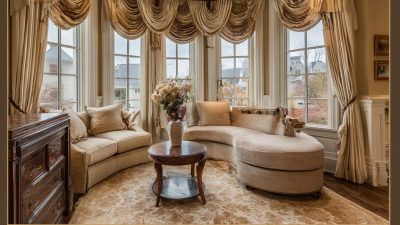
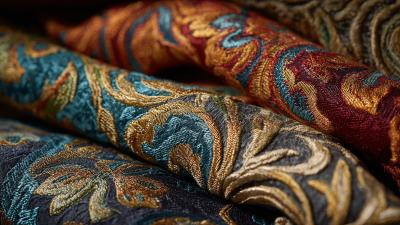
Soft window treatments offer a unique blend of aesthetic appeal and functional advantages that significantly enhance both the comfort and visual harmony of a home. Beyond their practical benefits, such as providing insulation and blocking out unwanted light, these treatments contribute an element of warmth and elegance to any room. Fabrics like curtains, drapes, and shades come in various colors, patterns, and textures, allowing homeowners to express their personal style while improving the overall ambiance of their living spaces.
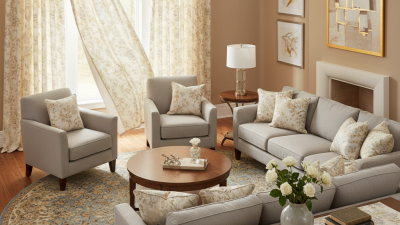
The versatility of soft window treatments means they can complement a wide range of interior designs, from contemporary to traditional. By selecting the right fabrics and styles, homeowners can create a cozy atmosphere that invites relaxation and enjoyment. Moreover, the layering of different materials, such as sheer fabrics paired with thicker drapes, not only enhances visual interest but also improves light control, making it easier to adjust the mood of a room throughout the day. This integration of beauty and comfort positions soft window treatments as an essential element in achieving not just energy efficiency, but a truly inviting home environment.
Maintenance Tips for Long-Lasting Energy-Efficient Window Solutions
Soft window treatments are not only aesthetically pleasing but also play a vital role in enhancing energy efficiency and overall home comfort. Unlike rigid options, soft treatments like curtains and drapes can provide superior insulation, helping to maintain stable indoor temperatures throughout the year. This can lead to significant savings on energy bills and a more comfortable living environment, particularly during extreme weather conditions.
To ensure that your soft window treatments remain effective in promoting energy efficiency, regular maintenance is essential. It’s advisable to clean them periodically to prevent dust and allergens from accumulating, which can diminish their energy-saving qualities. Additionally, inspecting for wear and tear, such as frayed edges or faded fabrics, can help you identify when it’s time for a replacement.
By investing in quality materials and proper care, homeowners can maximize the longevity and effectiveness of their energy-efficient window solutions. As the market for durable options continues to grow, keeping these maintenance tips in mind will ensure that your soft window treatments continue to offer the comfort and efficiency you desire.