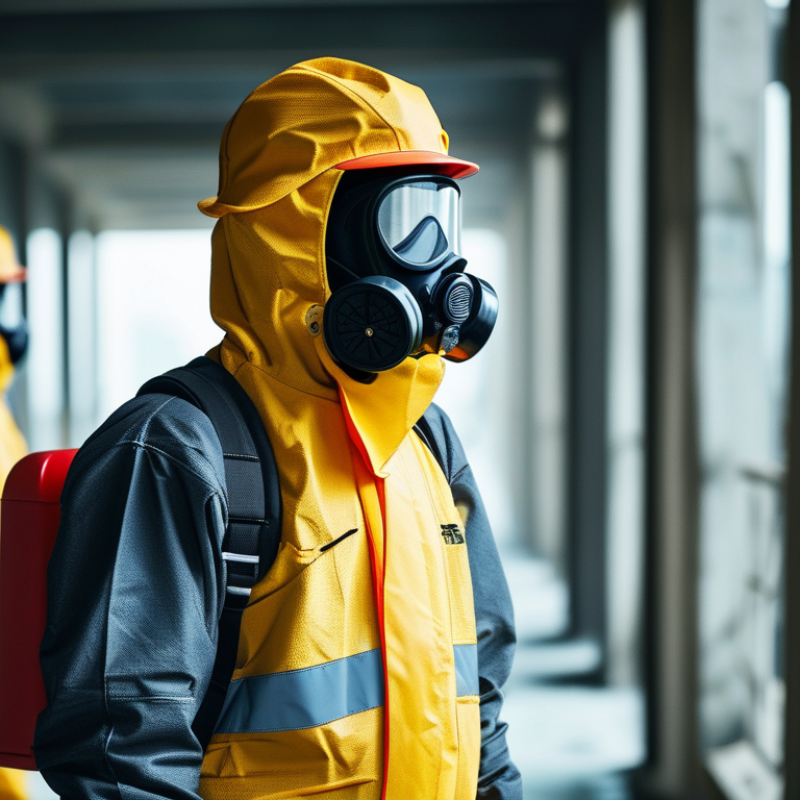
Essential Tips for Choosing Protective Clothing for Safety
Choosing the right Protective Clothing is critical for safety in various environments. Understanding the necessary factors can lead to better decisions. Protective clothing serves as a barrier against hazards, ensuring that workers remain safe on the job.
When selecting protective clothing, consider the specific risks involved. For example, in construction, the focus is on durability and fall protection. In medical settings, barrier effectiveness against contaminants is key. Look for materials that meet industry standards, as these offer reliability and assurance.
It is essential to prioritize comfort and fit. Ill-fitting clothing can restrict movement and lead to accidents. Regularly assess your protective gear. Any signs of wear or damage necessitate replacement. This reflective practice helps maintain safety and trust in your gear, ultimately supporting a safer work environment.
Understanding the Importance of Protective Clothing in Safety
Protective clothing plays a crucial role in ensuring safety across various industries. It acts as the first line of defense against hazards. Workers in construction, healthcare, and manufacturing face numerous risks daily. Wearing the right protective gear minimizes injuries and enhances safety.
Understanding the materials and their properties is essential. Different tasks require specific types of clothing. For instance, flame-resistant fabric is vital for welders, while breathable materials benefit those in healthcare. Each piece of clothing should fit well and allow for movement. Poorly fitting gear can impede performance and increase risk.
Choosing protective clothing is not just about compliance. It's about creating a culture of safety. Organizations often overlook the need for regular evaluations of their protective gear. Feedback from workers can help improve safety standards. Exploring innovative options also fosters better protection. This proactive approach can lead to significant safety improvements.
Types of Protective Clothing Available for Various Industries
When it comes to choosing protective clothing, various industries have distinct needs. For example, healthcare workers often require gowns that are resistant to fluids. In construction, durable helmets and steel-toed boots are essential. Each type of gear plays a critical role in ensuring safety and reducing injuries.
Tips for selecting the right protective clothing include understanding the risks in your industry. Assess what hazards workers might face. Choose clothing made from appropriate materials that offer adequate protection. For example, flame-resistant gear is crucial in metalworking. Similarly, high-visibility vests are vital for road construction.
Consider the comfort and fit of the clothing. Ill-fitting gear can compromise safety. Ensure that workers can move freely while still being protected. Sometimes, suppliers may not offer the best solutions. Listen to feedback from those using the gear daily. This insight is valuable for making informed choices about protective clothing.
Key Factors to Consider When Choosing Protective Clothing
When selecting protective clothing, ensure it meets industry standards. Look for garments certified by organizations like ANSI or ISO. Studies show that proper protective gear can reduce workplace injuries by up to 70%. This statistic emphasizes the importance of not cutting corners in safety wear.
Consider the specific hazards present in your environment. Chemical exposure requires garments made from specialized materials. Flame-resistant fabrics are critical in welding and electrical jobs. According to the National Safety Council, over 50% of workplace injuries are preventable with appropriate safety gear. This reinforces the need for tailored clothing selections.
Fit and comfort also play vital roles. Clothing that is too tight can restrict movement, while overly loose gear may pose a snagging risk. A survey by the Occupational Safety and Health Administration indicated that 30% of workers feel uncomfortable in their safety gear, leading to reduced compliance. Ensuring the right fit can improve worker safety and productivity.
Material and Design Features to Look for in Safety Apparel
When choosing protective clothing, material and design are crucial. Fabrics should resist abrasion and withstand harsh environments. Look for materials like Kevlar or Nomex, known for their strength. Water resistance is also essential. In wet conditions, moisture can lead to hypothermia. Breathable fabrics increase comfort while working. This allows sweat to escape, enhancing safety and productivity.
Design features also matter. Ensure clothing has adjustable components. This allows a better fit and prevents movement restrictions. Pockets and loops for tools can be practical. However, avoid bulky designs that impede mobility. Integrated reflective materials enhance visibility in low-light conditions.
Yet, even with the best designs and materials, flaws can exist. Some protective gear may not perform as expected in real-life scenarios. Regular assessments and feedback loops are essential. It helps identify design shortcomings and improve protective wear. Always be open to revising choices based on experience and feedback.
Essential Tips for Choosing Protective Clothing for Safety
| Material Type | Key Features | Typical Applications |
| Cotton | Breathable, Comfortable, Low Cost | Manufacturing, Light Construction |
| Polyester | Durable, Wrinkle Resistant, Quick Drying | Outdoor Work, Assembly Lines |
| Nomex | Flame Resistant, Insulating | Electrical Work, Emergency Services |
| Kevlar | Cut Resistant, High Strength | Construction, Manufacturing |
| Polyurethane | Waterproof, Flexible | Food Processing, Chemical Handling |
Maintenance and Care for Longevity of Protective Clothing
Choosing the right protective clothing is essential for safety in various environments. However, maintaining and caring for this clothing is just as vital for ensuring its longevity. Proper maintenance extends the life of the gear and maximizes its protective features.
Regular cleaning is crucial. Follow the manufacturer's guidelines for washing. Use gentle detergents and avoid bleach. Over time, harsh chemicals can degrade the fabric's integrity. Inspect the clothing frequently for any signs of wear or damage. Small tears can lead to bigger problems if not addressed promptly. Repairing or replacing damaged items should not be overlooked.
Here are some tips for taking care of your protective clothing. Store it in a cool, dry place, away from direct sunlight. This prevents fading and deterioration of materials. Ensure that it is completely dry before storage to avoid mold and mildew. Lastly, take the time to learn about any specific materials in your clothing. Different fabrics may require unique care techniques.
Effective care reflects your commitment to safety. Consider performing routine checks and keeping a maintenance log. Evaluating your practices can reveal improvement areas. Learning about your gear truly makes a difference. Proper attention to these details can enhance both safety and durability.