Top Tips for Choosing Window Drapery Fabric for Your Home?
Choosing the right window drapery fabric can significantly enhance your home's aesthetic. According to Karen Smith, an interior design expert, "The choice of fabric sets the tone for the entire room." This insight highlights the importance of thoughtful selection when it comes to window treatments.
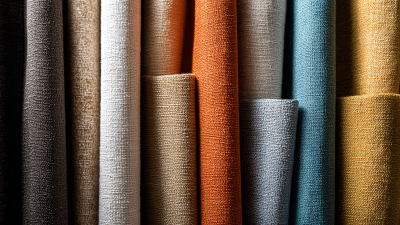
When contemplating window drapery fabric, consider the room’s style. Fabrics range from luxurious silk to durable linen, each conveying a distinct vibe. Light-filtering fabrics can create an airy feel, while heavier drapes provide warmth and intimacy. Think about how different fabrics interact with your space’s lighting.
Also, reflect on functionality. Some drapery fabrics are better for energy efficiency, while others may be more suited for sound absorption. Remember, a fabric may look great but might not always serve your needs. Explore your options carefully and choose wisely to ensure your window drapery fabric fulfills both aesthetic and practical roles in your home.
Factors to Consider When Selecting Drapery Fabric for Windows
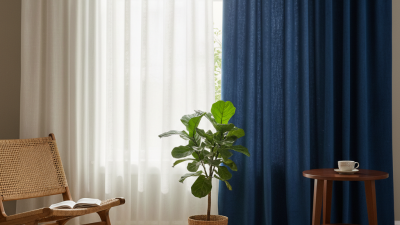
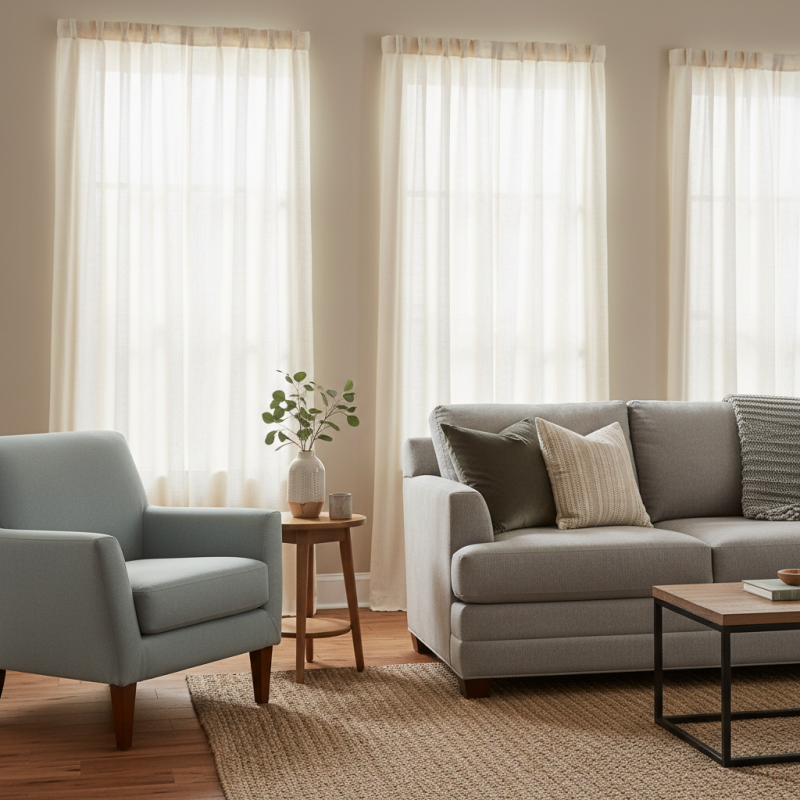
Selecting the right drapery fabric for your windows is crucial. Start by considering the room's purpose. A living room may need a light, airy fabric to enhance brightness. In contrast, a bedroom might benefit from heavier, darker fabrics for privacy and insulation. Think about the ambiance you want to create.
The fabric's durability is another key factor. High-traffic areas often require sturdier materials. Natural fibers like cotton provide breathability and warmth, while synthetic fibers can be easier to clean and maintain. Consider the fabric's resistance to fading and wear, especially in sunlit rooms.
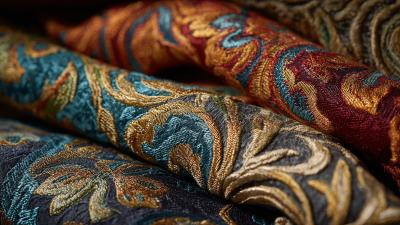
Color and pattern play significant roles too. Bold patterns might energize a space, while subtle hues can evoke calm. Reflect on how these choices blend with your existing decor. Remember that trends can change, and what you love today may not resonate in a few years. Choose wisely and don’t hesitate to try different combinations. Embrace imperfections; they tell your unique story.
Understanding Different Types of Window Drapery Fabrics Available
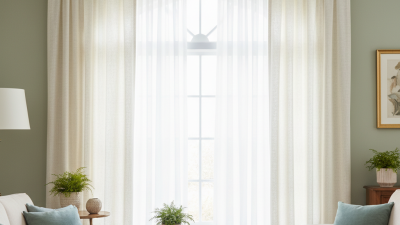
Choosing the right window drapery fabric is crucial for both aesthetics and functionality. There are various types of fabrics available, each with unique properties. For instance, sheer fabrics allow natural light to filter in while providing some privacy. According to a recent industry report, approximately 30% of homeowners prefer sheer drapery for living spaces, creating a bright and airy atmosphere.
In contrast, heavier fabrics like velvet offer insulation benefits. These materials can help regulate indoor temperatures, reducing energy costs. Studies indicate that using thermal-lined drapes can save homeowners between 10-25% on heating and cooling expenses annually. When selecting fabric, consider the room's purpose and the desired mood.
Tip: Always test fabric samples in your space. Observe how they look in different lighting conditions throughout the day. Additionally, consider durability; fabrics like linen may fade over time, requiring more frequent replacements. Reflect on how these choices affect not just decor but long-term maintenance costs, too.
Top Tips for Choosing Window Drapery Fabric for Your Home
| Fabric Type |
Characteristics |
Best For |
Maintenance |
Light Control |
| Cotton |
Soft, breathable, and versatile |
Living rooms and bedrooms |
Machine washable |
Moderate light control |
| Linen |
Natural luster, crisp texture |
Formal dining rooms |
Dry clean recommended |
Good light filtering |
| Polyester |
Durable and wrinkle-resistant |
High-traffic areas |
Easy to clean |
Variable light control |
| Silk |
Luxurious and elegant |
Master bedrooms and elegant living areas |
Dry clean only |
Limited light control |
| Velvet |
Soft and rich texture |
Cozy spaces and theaters |
Spot clean recommended |
Excellent light blocking |
Evaluating Fabric Properties: Durability, Texture, and Light Control
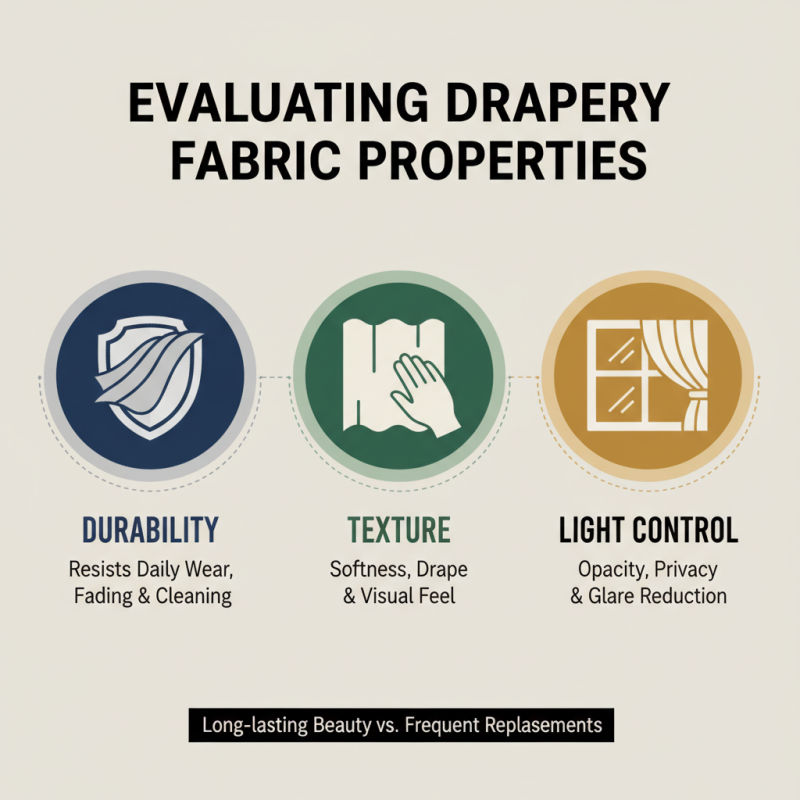
When selecting window drapery fabric, it’s crucial to evaluate its properties. Durability is paramount. Look for fabrics that can withstand daily wear. Some materials fade quickly. They should also endure cleaning and maintenance. Choosing a robust fabric might mean the difference between lasting beauty and regular replacements.
Texture adds another layer of complexity. Soft, luxurious textures create a warm atmosphere. However, they may be more susceptible to stains. Heavier fabrics can provide a strong visual presence. Yet, they might feel overwhelming in small spaces. Aim for a balance that enhances your décor without dominating the room.
Light control directly affects the ambiance. Sheer fabrics allow gentle light filtration. This can create a cozy feel during the day. Conversely, blackout options offer privacy and darkness. Think about how each fabric type interacts with natural light. Make decisions that align with your lifestyle and preferences, reflecting your unique taste while keeping functionality in mind.
Color and Pattern Selection for Harmonizing Home Decor
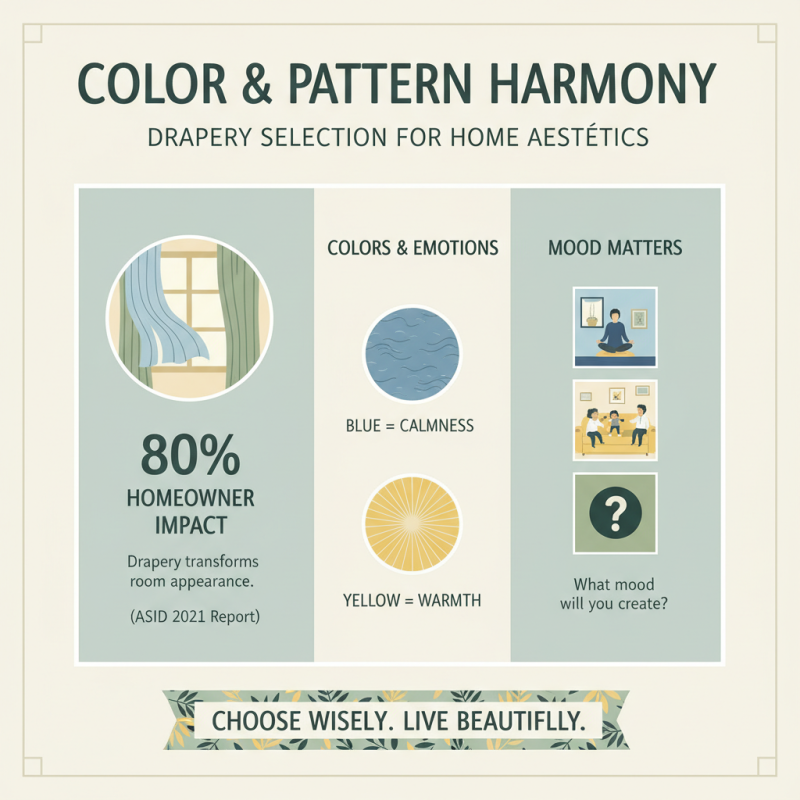
When selecting window drapery fabric, color and pattern play a crucial role in your home’s aesthetic. According to a 2021 report from the American Society of Interior Designers, 80% of homeowners believe that drapery can dramatically change a room's appearance. Colors can evoke different emotions; for example, blues create calmness, while yellows bring warmth. Consider the mood you wish to foster in each space.
Patterns also influence the perception of space. Large patterns can feel overwhelming in smaller rooms, while subtle designs can enhance elegance. A study from the Interior Design Association found that 75% of interior designers recommend using patterns that complement existing decor. However, mixing colors and patterns requires a delicate balance. Too many competing elements can lead to chaos rather than harmony. A well-placed monochrome drapery can act as a calming influence in a vibrant room.
Picking the right fabric is not only about style but also functionality. Consider how much light you want to filter. Light fabrics can soften a room, while heavier materials provide insulation. However, don’t overlook the maintenance aspect. Some fabrics fade quickly or gather dust. In a busy household, practical choices are essential. Balancing aesthetic needs and practical realities can be tricky but rewarding.
Maintenance and Care Tips for Long-lasting Drapery Fabric
Choosing the right drapery fabric requires careful consideration to ensure longevity. Maintenance plays a crucial role in the lifespan of window treatments. According to a study from the American Home Furnishings Alliance, curtains and drapes can last up to 15 years with proper care. Regular cleaning is essential. Dust and allergens can accumulate, making regular maintenance a necessity. Vacuuming drapes every few weeks can help maintain their appearance.
Understanding fabric types is equally important. Natural fibers like cotton can be more prone to fading when exposed to sunlight, while synthetic options often resist wear and tear. A report from the Textile Research Journal notes that polyester drapes can retain shape and color over time, making them a reliable choice. However, even durable fabrics require attention. Spills need immediate action, using mild detergents to avoid permanent stains.
Additionally, proper installation impacts durability. Hanging drapes correctly ensures they don’t sag or become damaged. Using hooks or rings allows for easier movement and reduces fabric stress. Ignoring minor damages can lead to bigger problems, compromising the overall aesthetic. Regular inspections can identify wear sooner. Implementing these practices can greatly enhance the life and look of your drapery fabric.