Top 10 Personal Scooters for Global Buyers?
Personal Scooters are moving from niche gadgets to practical urban transport. McKinsey’s report, “Micromobility’s 15,000-Mile Journey,” estimated that the global micromobility market could reach $300 billion to $500 billion by 2030. That forecast includes several vehicle types, not only scooters. Still, it signals strong buyer interest.
NABSA’s 2023 State of the Industry Report recorded 157 million shared micromobility trips across the United States and Canada. Private ownership is harder to measure. The market is fragmented. Specifications also vary widely between brands and regions. Horace Dediu, a respected micromobility analyst, describes the category as “the use of lightweight vehicles for the transportation of people and goods over short distances.” That definition fits a commuter crossing busy streets, carrying a laptop, or connecting with a train.
This Top 10 Personal Scooter guide compares models for global buyers. It examines real-world range, charging time, motor performance, braking systems, ride comfort, water resistance, portability, warranty support, and replacement parts. Safety certifications matter too, although requirements differ by country. Buyers should verify local speed limits, equipment rules, and road access before purchasing.
Numbers can mislead. A claimed 40-kilometre range may shrink on hills, cold mornings, or rough pavement. A lightweight frame may feel convenient upstairs but less stable at speed. No ranking is perfect. The best scooter depends on the rider, route, climate, and maintenance expectations. This guide therefore values practical evidence over impressive advertising, while acknowledging that some market data remains incomplete.
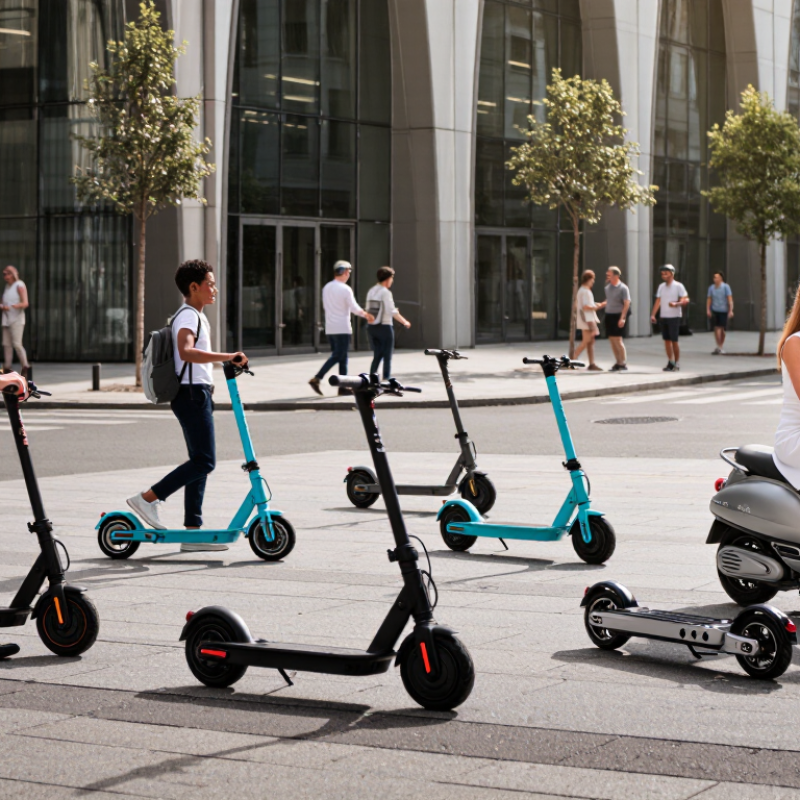
Personal Scooters: Definition, Types, and Global Uses
Top 10 Personal Scooters for Global Buyers?
Personal scooters are compact, stand-up vehicles for short urban trips. Traditional kick scooters use human power. Electric models add a battery, motor, controller, and charging system. Common types include commuter, folding, long-range, seated, lightweight, all-weather, and mobility-oriented scooters.
The useful top-ten shortlist is category-based, not brand-based. Look for the riding purpose. A folding scooter suits train stations and small apartments. A wider deck feels steadier on uneven pavement. Larger pneumatic tires absorb cracks near older city sidewalks. Seated designs help riders who need more comfort. Visibility matters at dawn. Very much.
Grand View Research forecasts the global electric scooter market to grow at about 9.9% annually from 2024 to 2030. That growth reflects demand for last-mile travel, campus transport, and short neighborhood journeys. However, advertised range is not a guarantee. Hills, cold weather, rider weight, and tire pressure can reduce it sharply. I would compare tested range, charging time, braking performance, and water resistance before comparing speed.
The World Health Organization reported 1.19 million annual road deaths in its Global Status Report on Road Safety 2023. Scooter selection should therefore include reliable brakes, front and rear lights, reflectors, and a stable steering system. Helmet requirements and riding rules differ by location, so buyers must check local transport authority guidance. My ranking would change after real road testing. Laboratory figures rarely capture rough streets, crowded paths, or sudden rain.
Key Features to Compare in Personal Scooters
When comparing personal scooters for global buyers, start with the riding environment, not the advertised speed. A commuter crossing wet streets needs reliable braking, bright lights, and stable tires. A lightweight model may suit trains, but its smaller battery can disappoint on longer routes. Claimed range is often measured under ideal conditions. Hills, cold weather, rider weight, and frequent stops reduce it.
Battery capacity, charging time, and replacement support deserve close attention. Check whether the charger works with your local voltage and plug system. A removable battery can simplify apartment charging, yet it may add weight. Look for clear load ratings, tested safety protection, and a battery management system. These details reveal more than attractive specifications. In my experience, a firm handlebar and predictable throttle matter greatly on crowded paths.
Braking should feel progressive, not abrupt. Mechanical or electronic systems need regular inspection, especially after rain and dusty rides. Solid tires resist punctures, while air-filled tires usually provide better comfort on rough pavement. Suspension helps, but it cannot fix poor frame balance. Folded dimensions, carrying weight, lighting, reflectors, and water resistance also affect everyday use. Certification and local equipment rules should be verified before purchase. Some comparisons overlook maintenance access, which is a mistake. The cheapest option can become expensive when parts are unavailable.
Top 10 Personal Scooters for Global Buyers? - Key Features to Compare in Personal Scooters
Representative specification ranges for commonly available personal scooter configurations. Actual specifications, prices, and legal requirements vary by market.
Comparison guide for commuting, portability, comfort, range, and utility | Rank | Scooter Profile | Best For | Motor Output | Typical Top Speed | Real-World Range | Battery | Approx. Weight | Charging Time | Wheel Setup | Braking | Suspension | Water Resistance | Suggested Load Limit | Typical Price Range |
| 1 | Ultra-Compact Commuter | Short urban trips and public-transport connections | 250 W nominal | 20–25 km/h | 15–25 km | 36 V, 5–7.5 Ah | 7–11 kg | 3–5 hours | 8–9 in solid or air-filled | Electronic plus rear friction brake | Usually none | Commonly IPX4 | Up to 100 kg | US$250–550 |
| 2 | Balanced City Scooter | Daily commuting on paved roads | 300–350 W nominal | 25 km/h | 20–35 km | 36 V, 7.5–10 Ah | 12–15 kg | 4–6 hours | 10 in pneumatic or tubeless | Electronic plus drum or disc brake | Front or rear elastomer | Commonly IPX4–IPX5 | Up to 100–120 kg | US$400–800 |
| 3 | Long-Range Commuter | Longer work commutes and mixed urban routes | 350–500 W nominal | 25–32 km/h | 35–55 km | 36–48 V, 10–15 Ah | 15–20 kg | 5–8 hours | 10 in tubeless pneumatic | Electronic plus rear disc or drum | Front, rear, or dual | Commonly IPX5 | Up to 120 kg | US$650–1,200 |
| 4 | Comfort-Focused Scooter | Uneven pavement and frequent daily use | 400–500 W nominal | 25–32 km/h | 30–50 km | 48 V, 10–15 Ah | 18–24 kg | 5–8 hours | 10–11 in pneumatic | Hydraulic or mechanical disc plus electronic brake | Dual suspension | Commonly IPX4–IPX5 | Up to 120–130 kg | US$800–1,500 |
| 5 | Hill-Climbing Scooter | Steep streets and heavier riders | 500–800 W nominal | 30–40 km/h | 30–50 km | 48 V, 13–20 Ah | 22–30 kg | 6–10 hours | 10–11 in pneumatic | Dual disc or drum brakes | Dual suspension | Commonly IPX4–IPX5 | Up to 130–150 kg | US$1,000–2,000 |
| 6 | Dual-Motor Performance Scooter | Acceleration, hills, and private-road performance | 1,000–2,000 W combined | 40–60 km/h | 35–65 km | 52–60 V, 18–25 Ah | 28–40 kg | 7–12 hours | 10–12 in pneumatic | Dual hydraulic disc brakes | Adjustable dual suspension | Commonly IPX4–IPX5 | Up to 120–150 kg | US$1,400–3,000 |
| 7 | All-Terrain Scooter | Firm trails, gravel, and rough surfaces | 1,000–2,400 W combined | 35–55 km/h | 35–60 km | 52–60 V, 20–30 Ah | 30–45 kg | 8–12 hours | 11–12 in off-road pneumatic | Dual hydraulic disc brakes | Long-travel dual suspension | Commonly IPX4–IPX5 | Up to 130–150 kg | US$1,800–3,500 |
| 8 | Seated Mobility Scooter | Comfortable low-speed travel and mobility support | 250–500 W nominal | 15–25 km/h | 25–50 km | 24–48 V, 12–30 Ah | 25–45 kg | 6–10 hours | 10–12 in pneumatic or solid | Electromagnetic or drum brake | Basic front or rear suspension | Model-dependent, often IPX4 | Up to 120–160 kg | US$900–2,500 |
| 9 | Cargo-Ready Utility Scooter | Shopping, equipment transport, and utility errands | 500–1,000 W nominal | 25–35 km/h | 30–55 km | 48 V, 15–25 Ah | 25–40 kg | 7–12 hours | 10–12 in pneumatic | Disc or drum brake with electronic braking | Front or dual suspension | Commonly IPX4 | Up to 120–150 kg including cargo | US$1,200–2,800 |
| 10 | Foldable Travel Scooter | Travelers who prioritize compact storage | 250–400 W nominal | 20–25 km/h | 15–30 km | 36 V, 7.5–10 Ah | 10–16 kg | 4–7 hours | 8–10 in solid or pneumatic | Electronic plus rear friction or drum brake | Usually none or basic front suspension | Commonly IPX4 | Up to 100–120 kg | US$450–1,000 |
Buying note: Advertised range is usually measured under ideal conditions. Real-world distance is affected by rider weight, speed, hills, temperature, tire pressure, and frequent stops. Check local rules for maximum speed, power limits, helmet use, registration, lighting, and road access before purchasing.
Top Personal Scooter Models for Different Buyer Needs
Global buyers need different personal scooters, not one universal winner. Grand View Research estimates the global electric scooter market at about USD 33.7 billion in 2022, with continued growth expected through 2030. That expansion hides major differences in roads, weather, storage, and riding habits.
For a short urban commute, a lightweight folding model is easiest on crowded trains and narrow apartment stairs. A budget model suits occasional riders, but small batteries can disappoint on hills.
Long-distance commuters should choose extended-range models with dual braking and clear battery indicators. Riders on rough streets may prefer pneumatic tires and front suspension.
All-weather buyers need stronger water protection, wider decks, and dependable lights. There is a trade-off. More comfort usually means more weight.
The remaining useful choices are compact travel models, seated comfort scooters, high-performance models for private property, cargo-ready designs, and safety-focused models with low top speeds. The International Transport Forum stresses that micromobility safety depends on vehicle design, infrastructure, and user behavior. NACTO recorded about 157 million shared micromobility trips in the United States and Canada during 2023, showing strong demand for short urban journeys. However, shared-use data does not perfectly predict private ownership. That ranking is imperfect. Buyers should measure their actual route, including stairs, potholes, rain, and charging access. A claimed range may shrink sharply in cold weather or under heavy loads. Check independent testing, warranty terms, spare-part access, and local equipment requirements before paying.
Safety, Maintenance, and Legal Considerations Worldwide
Top 10 Personal Scooters for Global Buyers?
Safety starts before the first ride. Choose a scooter with dependable brakes, bright front and rear lights, and a strong folding mechanism. Check tire pressure before travel. Check them cold. Wear a certified helmet, even on short trips, and add reflective clothing after sunset. Test the bell, throttle response, and brake cutoff in a quiet area. Wet leaves, loose gravel, and painted road lines can reduce grip unexpectedly. A small rear light may be difficult for drivers to notice in heavy rain.
Maintenance is mostly routine, but routine is easy to neglect. Inspect tires for cuts, wheel play, and uneven wear every week. Keep charging ports dry and use only the supplied, approved charger. Store the battery away from extreme heat and freezing conditions. Do not ignore unusual smells, swelling, clicking, or sudden power loss. Stop using the scooter and seek qualified service. A practical mistake is checking range while ignoring braking distance. Range estimates also change with hills, cold weather, rider weight, and tire pressure.
Legal rules differ between cities, countries, and sometimes individual roads. Confirm speed limits, minimum age, helmet requirements, lighting standards, parking rules, and whether registration or insurance applies. Some places restrict scooters on sidewalks, cycle paths, or public transport. Rules change. Keep proof nearby. Save the purchase receipt, serial number, maintenance records, and any required compliance documents. Local transport authorities remain the reliable source, because online summaries can be outdated or incomplete. Check accessibility rules too, since careless parking can block entrances, ramps, or emergency routes.
Top 10 Personal Scooters for Global Buyers
Safety, maintenance, and legal speed limits across selected global markets
The chart compares commonly enforced maximum speeds for permitted electric personal scooters in selected jurisdictions. Local rules may differ by city, vehicle classification, rider age, road type, registration, insurance, and whether the scooter is privately owned or rented.
Safety Use front and rear lights, wear a helmet, avoid wet surfaces, and check braking performance before every ride.
Maintenance Regularly inspect tire pressure, brake pads, steering joints, fasteners, charging cables, and battery condition.
Legal checks Confirm speed limits, helmet requirements, road access, parking rules, minimum age, registration, and insurance before purchase.
How to Choose and Purchase a Personal Scooter Internationally
Choosing a personal scooter internationally requires more than comparing speed and appearance. A top-ten list can show options, but local compatibility matters more. The NABSA 2023 State of the Industry Report recorded over 157 million shared micromobility trips in North America. That figure shows strong demand, not guaranteed private-scooter quality. Check your destination’s rules for maximum speed, road access, lighting, and helmet use. Ask the seller for the exact model, battery capacity, charger voltage, and compliance documents. Rules differ sharply between cities.
Tips: Request a written warranty before payment. Confirm whether repairs and spare parts are available in your country. Measure your elevator, storage space, and car trunk. A scooter that looks portable may feel heavy on stairs. For lithium batteries, request UN 38.3 transport-test evidence and follow IATA battery-shipping guidance. Do not assume the seller handles customs, duties, or local registration.
Be skeptical of advertised range. It usually reflects light riders, warm weather, flat roads, and low speeds. Compare range under realistic conditions, including hills and winter temperatures. Independent testing is useful, but test methods still vary. I would also calculate total ownership cost, not only the purchase price. Cross-border returns can be expensive and slow. A cheaper scooter may become a poor bargain after shipping, taxes, replacement tires, and uncertain service. Keep every invoice and specification sheet. Mistakes happen. Your checklist should make them visible before checkout.