Choosing the right soft window treatments supplier in China involves more than comparing catalog photos and quoted prices. Chinese manufacturers offer varied fabrics, linings, tracks, pleat styles, and customization options. Yet the strongest partner is one that can maintain quality across samples, production runs, and delivery dates. A polished showroom image proves little by itself. Look for clear material specifications, consistent stitching, accurate color, careful packaging, and documented quality checks. Ask how the supplier handles fabric substitutions, defects, custom dimensions, and changes after sample approval. Small details matter.
Interior designer Billy Baldwin offered a lasting design principle: “Be faithful to your own taste, because nothing you really like is ever out of style.” For soft window treatments, that means matching material, light control, privacy, and finish to each room’s needs. This guide examines leading Chinese suppliers through practical criteria, rather than claiming one company is best for every buyer. It considers product range, customization, communication, quality processes, export experience, and the clarity of supplier documentation. A fabric may feel luxurious under showroom lights, then look quite different beside a real window. That gap deserves honest attention. Treat supplier profiles as a starting point, and verify current capabilities directly before ordering. The right partner depends on project scale, budget, target market, and service expectations.

What Products Fall Under Soft Window Treatments?
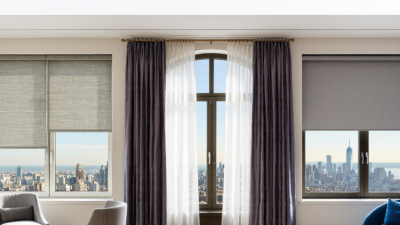
Soft window treatments are textile-based coverings that soften daylight, reduce glare, and add privacy. The category includes curtains and drapes, from lightweight sheers to lined, room-darkening panels. Sheers diffuse sunlight, while heavier drapes can help block views and reduce heat loss. They hang from rods or tracks, with pleats, grommets, or hidden headings shaping the finish.
Roman shades fold into horizontal fabric sections when raised. Roller shades use a single fabric panel, while cellular shades have pleated pockets that trap air. Fabric valances cover the upper window and can conceal hardware; they are often paired with curtains or shades. Some suppliers also offer fabric-backed panels and soft cornice styles. Small details matter.
Lining, weave, opacity, and mounting depth all affect performance. A pale sheer can brighten a room, but it will not provide strong nighttime privacy. Woven natural-fiber shades may also be grouped with soft treatments, though they sit near the category’s edge. It can blur. Ask suppliers for fabric samples and confirm finished dimensions, since colors and folds can look different at window scale.
Representative product forms within common soft-treatment families
Soft window treatments use fabric or other flexible materials. The values count representative product forms shown for each family; they are an illustrative classification, not market-size or sales data.
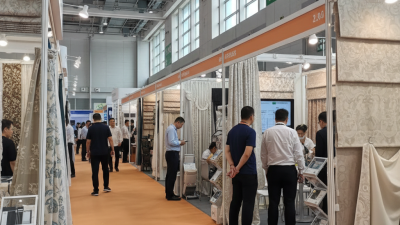
China’s soft window-treatment supply base is layered, not a single factory category. Some firms weave or coat fabrics; others cut, sew, pleat, and finish curtains. Separate specialists supply tracks, rods, motors, and installation hardware. Export-oriented OEM and ODM factories often coordinate these inputs, while smaller workshops handle custom sizing and short runs. That distinction matters.
Grand View Research valued the global window-coverings market at about US$33.9 billion in 2023 and projected 7.6% annual growth from 2024 to 2030. This is a global benchmark, not a China-only figure, and it includes products beyond soft treatments. Published market data rarely separates curtains from the wider category. The supplier map is not perfectly neat either: a trading company may manage production without owning every workshop.
For buyers, evaluate the actual production chain, not just a catalogue. Request fabric composition, colorfastness and shrinkage test reports, stitching samples, and clear lead times. Check whether fabric, sewing, and hardware are made in-house or sourced through partners. A detailed sample can reveal more than a polished product sheet.
China’s leading soft window treatment suppliers are better judged by production depth than catalog size. Look for factories that can coordinate fabric sourcing, cutting, sewing, and finished-product inspection. Ask for test swatches, seam details, and documented checks for color consistency. Small details matter.
The National Bureau of Statistics of China reported that the country’s textile industry generated RMB 4.73 trillion in operating revenue in 2023. This figure covers the wider textile sector, not soft window treatments alone, so it should not be read as a curtain-market estimate. Still, it signals the scale of the upstream fabric and manufacturing base available to domestic suppliers. That matters.
Suppliers with stronger export experience often provide clearer specifications for fabric composition, light filtering, dimensions, and packaging. These details help buyers compare quotations on equal terms. Regional manufacturing clusters can also shorten sampling and replenishment cycles, though proximity alone does not prove quality. A polished showroom can hide uneven stitching or inconsistent dye lots. Request production samples and verify tolerances before placing a large order. Rankings vary by buyer needs; a supplier suited to custom projects may not be the best fit for high-volume basics.
This is an industry overview by supplier type and production cluster, not a ranked list of named companies. Capabilities vary by factory and should be confirmed during supplier evaluation.
| Supplier Group | Common Production Areas | Typical Soft Treatments | Typical Strengths | Useful Sourcing Checks |
|---|---|---|---|---|
| Textile and curtain-making manufacturers | Zhejiang and Jiangsu, including textile-producing areas around Haining and Suzhou | Ready-made curtains, drapes, sheers, curtain panels, and coordinated fabric sets | Fabric selection, sewing and finishing options, and the ability to supply curtains in varied sizes and styles | Request fabric composition, finished dimensions, seam and hem details, colorfastness information, and a pre-production sample |
| Custom curtain workrooms | Major manufacturing and trading centers across eastern and southern China | Made-to-measure curtains, pleated drapes, lined curtains, and sheer treatments | Customization of dimensions, headings, lining, and hardware configurations | Confirm measurement tolerances, heading specifications, lining options, packaging method, and the process for handling size errors |
| Soft-shade manufacturers | Clusters serving domestic and export markets in eastern and southern China | Roman shades, fabric roller shades, and other fabric-based window shades | Combining textile choices with shade mechanisms and offering made-to-order sizes | Check operating-system compatibility, child-safety provisions, fabric opacity, installation instructions, and applicable market requirements |
| Fabric mills and textile converters | Textile hubs in Zhejiang, Jiangsu, and other established fabric-producing regions | Upholstery-weight and drapery fabrics supplied for curtains, sheers, and soft shades | Fabric development, color and pattern choices, and bulk yardage supply for downstream manufacturers | Verify fiber content, usable width, repeat size, dye-lot consistency, shrinkage performance, and minimum order quantities |
| Export-oriented window-treatment assemblers | Manufacturing and export centers in eastern and southern China | Finished curtains and fabric shades prepared for wholesale, retail, or project orders | Order coordination, export packaging, and assembly of products from multiple production processes | Review quality-control steps, carton specifications, labeling, production lead time, sample approval, and export documentation capability |
| Project and hospitality suppliers | Suppliers serving commercial projects throughout China, often working with regional factories | Hotel and residential-project curtains, sheers, blackout treatments, and coordinated window coverings | Support for larger orders, specification matching, and coordination of fabrics and finished products | Ask for relevant project references, test reports required by the destination market, installation scope, and a documented inspection plan |
Note: Regional locations indicate broad manufacturing clusters, not the address or capability of any single supplier. Product availability, certifications, order quantities, and export experience should be verified directly with each prospective manufacturer.
Compare soft window treatment suppliers through samples, specifications, and production evidence—not catalog photos alone. Ask for fabric swatches, finished samples, and details on lining, opacity, colorfastness, and care. A sample should hang evenly, with straight hems and smooth stitching. Small details matter. Test the operating mechanism several times; a blind that catches during a showroom check may cause problems after installation.
Review how the supplier controls cutting, sewing, and final inspection. Ask whether measurements are checked against approved drawings and how defects are recorded. Request realistic production lead times, monthly capacity ranges, and details about handling custom sizes or repeat orders. Records help. Compare answers across suppliers, and check whether stated capacity matches the equipment and staffing you observe, if a factory visit is possible. It is easy to overvalue a polished sample; ask how closely bulk production is checked against it. No supplier is perfect. Note unclear answers, then request written specifications before placing an order.
Choosing a Chinese soft window-treatment supplier requires more than comparing unit prices. Grand View Research estimated the global window coverings market at about USD 30.7 billion in 2023, with continued growth projected through 2030. Market growth does not guarantee consistent quality. Request fabric composition, weight, light-fastness results, and care instructions for the exact product you plan to order. Check that sample labels match production specifications. Small differences matter.
Ask how the supplier controls fabric shade, stitching, and finished dimensions across repeat orders. Request dated inspection records and a clear defect-handling process. For energy-related claims, ask for test evidence rather than relying on sales language: the U.S. Department of Energy says windows account for roughly 25–30% of residential heating and cooling energy use. That figure does not prove a particular curtain’s performance. Verify the test method and product configuration. Recheck assumptions; even a good sample can hide production variation.
Tips: Order a pre-production sample, then compare it with bulk goods under daylight and indoor lighting. Confirm lead times, packaging, and shipment terms in writing. Keep one approved sample for reference. Details matter. No checklist catches everything.