What Is a Custom Design Window Treatment?
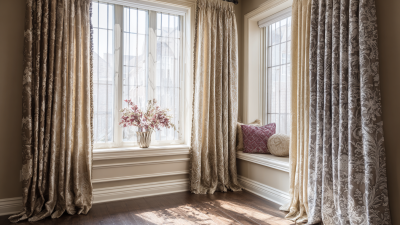
A window is not merely an opening for daylight. It controls privacy, glare, temperature, and the room’s visual rhythm. Custom design window treatments turn those practical needs into a measured design solution. Fabric falls beside a reading chair. Lining softens harsh afternoon light. A precisely fitted shade frames the outside view without hiding it.
The market is moving in this direction. Grand View Research valued the global window coverings market at approximately $33.68 billion in 2023. Its report projects a 4.6% compound annual growth rate from 2024 to 2030. The U.S. Department of Energy also notes that appropriate window attachments can reduce unwanted solar heat gain significantly. These figures matter, but they do not replace professional judgment. A beautiful fabric can still perform poorly when its lining, mounting depth, or operating system is wrong.
Interior designer Alexa Hampton has described window treatments as “the jewelry of the room.” The comparison is useful. Jewelry must fit the wearer, and so must every treatment fit the window, architecture, and daily routine. An experienced designer measures twice, studies daylight at different hours, and checks how furniture moves around the installation. Safety deserves equal attention, especially in homes with children or pets. Cordless and motorized options may improve usability, but they require careful specification.
There is no universal “perfect” treatment. That is the uncomfortable part. Budget, maintenance, fabric fading, and changing tastes can challenge the original plan. This guide examines those decisions with practical detail, supported by industry research and installation experience.
Definition and Core Features of Custom Design Window Treatments
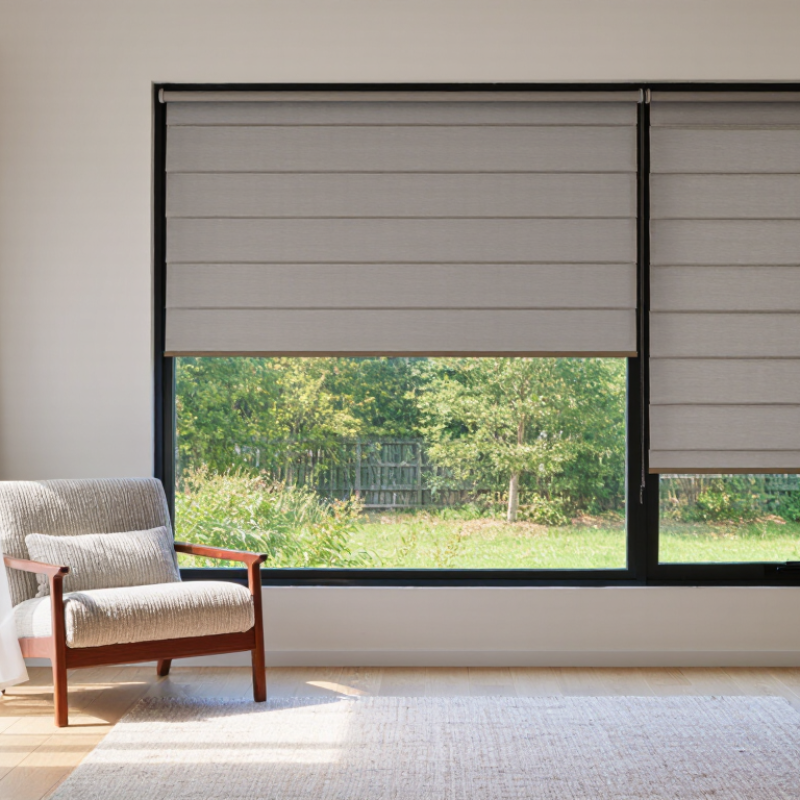
A custom design window treatment is a covering made for a specific window, room, and lifestyle. Unlike ready-made products, it is planned around exact measurements and personal needs. Its core features include tailored sizing, selected fabrics, lining options, operating methods, and coordinated hardware. A professional usually records the window’s width, height, depth, and opening direction. These details guide the final fit. Small errors matter.
The design should respond to light, privacy, temperature, and daily use. A bedroom may need a dense lining for darker mornings. A home office may need glare control without blocking daylight. Fabric openness affects both view and heat gain. Mounting style also changes the room’s appearance. Inside mounting looks clean, while outside mounting can make a window appear larger. Controls should feel practical, and child-safe options deserve careful attention.
Reliable customization includes a written quote, material samples, and clear installation measurements. The installer should explain care requirements and possible limitations. In practice, no design is perfect for every season. I have seen beautiful fabrics fade faster than expected near strong sunlight. That experience makes testing and honest advice important. A custom treatment may cost more and take longer, but rushed measurements can cost more later. Sometimes, a simpler solution works better.
How Custom Window Treatments Differ from Ready-Made Options
What Is a Custom Design Window Treatment?
How Custom Window Treatments Differ from Ready-Made Options
Ready-made curtains and shades offer quick availability, fixed sizes, and simpler pricing. They can work well in standard windows or temporary homes. However, their dimensions may leave narrow gaps, uneven hems, or unwanted light around the frame. Custom window treatments are measured for the exact opening. They can accommodate tall glass, angled windows, deep trim, and unusual hardware. The result often looks more integrated, not merely larger or more expensive.
Custom design also gives you control over fabric weight, lining, opacity, texture, and operating style. A blackout lining may help a bedroom, while a light-filtering fabric can soften afternoon glare in a living room. Professionals should check window depth, handle clearance, mounting strength, and daily use before recommending a solution. Accuracy matters. A small measuring error can affect the final fit, especially across several windows. Custom is not automatically better; it usually requires more planning, time, and budget.
Tips: Measure width at the top, middle, and bottom. Record the smallest measurement when the frame is uneven. Bring fabric samples into the room at different times of day. Consider cleaning needs, children, pets, and access to windows. Ask for written measurements, material details, expected lead time, and installation terms. Samples can still mislead under showroom lighting. Test them at home.
Key Materials, Styles, and Functional Choices
What Is a Custom Design Window Treatment?
Custom window treatments combine measured fit, selected materials, and practical control. A professional installer usually checks glass width, frame depth, sunlight direction, and handle clearance. These details affect whether a shade opens smoothly or catches on the window.
Common materials include linen, cotton, polyester, wood, woven grasses, and aluminum. Linen adds soft texture but wrinkles easily. Wood feels warm, while aluminum suits humid rooms and needs less maintenance. Roller shades create a clean profile. Roman shades add fabric depth. Drapery offers stronger light control and insulation. Layered treatments can balance privacy with daylight.
Function matters as much as appearance. Blackout fabrics support bedrooms and media rooms. Light-filtering fabrics soften glare without making rooms gloomy. The U.S. Department of Energy reports that tightly installed cellular shades may reduce window heat loss by 20% to 30%. It also reports potential reductions in unwanted solar heat gain of up to 15%. Results vary with orientation, fabric, installation, and climate.
Tips: Request a fabric sample beside the actual window. Check it in morning and evening light. Measure twice. I still find this step underestimated. Choose washable materials in kitchens and bathrooms. Consider cordless operation where safety is important. One imperfect choice can be expensive, so test texture, opacity, and control reach before ordering.
Custom Design Window Treatments: Materials, Styles, and Function
Typical performance comparison on a 1–5 scale: 1 indicates limited performance and 5 indicates strong performance. Ratings reflect common characteristics of each window treatment style; final results vary with fabric openness, lining, glazing, installation, and motorization.
The Custom Design and Measurement Process
A custom design window treatment begins with careful observation, not a fabric catalog. The process considers your window’s size, shape, natural light, privacy needs, and daily routine. A designer may ask where the morning sun lands, whether furniture blocks the sill, and how often the window opens. Small details matter.
Measurement should happen after the design direction becomes clear. The width and height are usually checked at three points because walls are rarely perfectly even. The installer also records frame depth, handle placement, trim, and nearby heating vents. These notes help determine whether the treatment should sit inside the frame or extend beyond it. A few millimeters can change the final fit.
Then, fabric samples are viewed in the actual room. Colors can look cooler beside glass and warmer near wooden floors. I have seen an attractive sample fail because it made a dark room feel heavier. That mistake taught me to test samples in morning and evening light. No measurement is too minor. Before installation, the measurements should be reviewed against the chosen hardware and operating style. A final check can catch an overlooked handle or uneven sill. Careful planning makes the finished treatment feel intentional, though the process still benefits from honest reassessment.