
Blog

Why Choose a Power Recliner Chair for Your Home?

Choosing the right seating can change how a living room feels and functions. A Power Recliner Chair offers more than a soft place to sit. With a quiet motor, adjustable footrest, and supportive backrest, it can create a calmer daily routine. One button does the work.

Imagine returning home after a long day. You sit down, raise your legs, and adjust the back until your shoulders relax. This simple movement can make reading, watching television, or resting feel more comfortable. Some models also include USB charging ports, hidden storage, or gentle headrest adjustments. These features sound minor. In practice, they can be surprisingly useful.

However, comfort should not replace careful research. Check the chair’s weight capacity, frame construction, motor warranty, and upholstery quality before buying. Measure the room carefully, including the space behind and in front of the chair. A recliner may need more clearance than expected. This is where many buyers miscalculate. Look for clear product information and reliable customer support from an established manufacturer. Independent reviews can also reveal noise, assembly problems, or slow service that product photos cannot show. A Power Recliner Chair is not automatically the best choice for every home. People with limited space may prefer a wall-hugger design. Others may value firm cushions over deep softness. The most dependable decision balances comfort, safety, durability, and real household needs. Take your time. Good seating should support life, not complicate it.
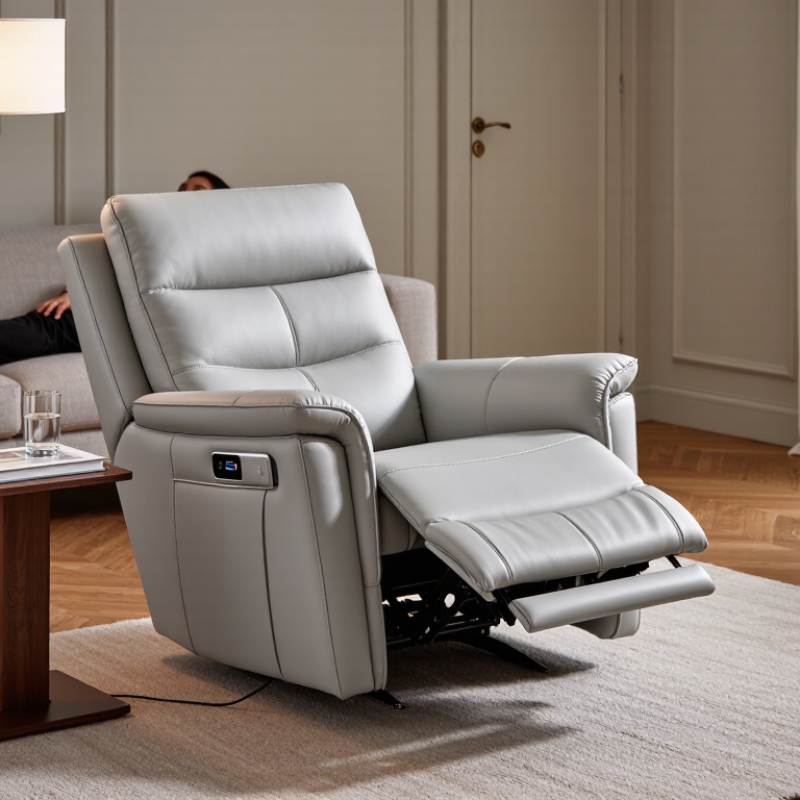
Why Choose a Power Recliner Chair for Your Home?

What Is a Power Recliner Chair?

What Is a Power Recliner Chair?

A power recliner chair uses an electric motor to adjust its position. A wired or wireless control moves the backrest, footrest, or both. Instead of pushing with your legs, you can stop at a comfortable angle. Many models offer upright, reading, resting, and near-flat positions. Some include lift assistance, USB charging, lumbar support, or independent head adjustment. Features vary widely.

The mechanism usually includes a low-voltage motor, a control system, and a reinforced frame. Its comfort depends on more than padding. Seat depth, arm height, noise, and control placement matter every day. A 2023 U.S. Census Bureau report projects nearly 82 million Americans aged 65 or older by 2050. That shift increases interest in easier home seating. However, a power recliner is not a medical device. It should not replace professional advice for mobility or circulation concerns.

AARP’s 2021 Home and Community Preferences Survey found that 77% of adults aged 50 and above want to remain in their current homes. A controllable chair can support that preference by reducing the effort needed to sit or rise. It still needs careful selection. Some remotes feel confusing. Motors may also create a quiet but noticeable hum. The best choice balances simple controls, stable construction, suitable dimensions, and accessible power placement. Small details often matter more than impressive features.

How Power Recliners Improve Comfort and Daily Living

A power recliner can make ordinary routines less demanding. With a handheld control, users can raise the footrest gradually and adjust the backrest precisely. This matters after long workdays, joint discomfort, or limited leg strength. The World Health Organization reports that low back pain affected 619 million people globally in 2020. A supportive seated position cannot treat every condition, but it may reduce awkward twisting during rest. Small changes matter. Feet can stay elevated while reading, watching television, or recovering from exercise. The chair also supports smoother transitions between sitting and standing, especially when the lift function moves at a controlled pace.

Daily comfort depends on fit, not just motor power. A 2024 AARP Home and Community Preferences Survey found that 75% of adults aged 50 and older want to remain in their homes. Furniture that supports independence can therefore become part of practical home planning. Still, a recliner is not automatically helpful. A seat that is too deep may leave the lower back unsupported. A footrest that stops too high can feel unstable. Measure the user, doorway, and available floor space before buying. Test the controls with one hand. Listen for excessive motor noise. The less glamorous details often decide whether the chair gets used every day. Expect adjustment. Comfort is personal, and even a well-designed chair may need a small cushion or changed sitting angle.

Why Choose a Power Recliner Chair for Your Home?

A power recliner can support daily comfort by allowing users to adjust the backrest and footrest without manual effort. Different positions may suit activities such as sitting upright, reading, resting, or elevating the legs.

How this improves daily living: Adjustable positioning can make it easier to move between activities, reduce the need for manual adjustment, support comfortable reading or television viewing, and provide convenient leg elevation during rest. The angle values are typical ergonomic reference points; personal comfort, mobility, and medical guidance should always be considered.

Key Features to Consider Before Choosing One

Why Choose a Power Recliner Chair for Your Home?

A power recliner can make daily relaxation easier, especially after long hours at a desk. Before choosing one, measure the room carefully. Leave enough space for the footrest and reclining back. A chair that looks compact may need several extra inches when fully open. Check the seat width, cushion firmness, and back height. Your heels should rest comfortably, not hang above the footrest. Small details matter.

The motor should move smoothly and quietly, without sudden stops. Test the control buttons while seated. They should be easy to reach and clearly marked. Consider USB charging ports, adjustable headrests, lumbar support, and memory settings. These features sound useful, but not everyone needs them. More functions can also mean more parts to maintain. Check the frame construction, fabric durability, cleaning instructions, and warranty terms. Reliable support matters if the mechanism develops a problem.

Tips: Sit in the chair for at least ten minutes before buying. Notice pressure around your hips and lower back. Try every reclining position. Keep children and pets away from moving sections during operation. A wall-hugging design may save space, but it still needs ventilation and careful placement. I once underestimated fabric texture; smooth material looked attractive, yet it felt slippery during longer use. Comfort is personal, so showroom appearance should not make the decision for you.

How to Match a Power Recliner to Your Home

A power recliner should fit your room before it fits your routine. Measure the chair’s full reclining depth, width, and height. Then compare these numbers with your available floor space. Leave enough clearance behind and beside the chair for safe movement. Measure twice. A crowded corner can make even a comfortable chair feel awkward.

Match the chair’s shape to your room’s visual balance. A wide recliner suits a large living room, while a compact model works better near a bookcase or apartment wall. Choose upholstery that relates to your existing sofa, curtains, and flooring. Soft fabric can create a warm reading corner. Easy-clean materials may be more practical for homes with children or pets. I once placed a dark recliner beside a bright window, and the contrast felt harsher than expected.

Think about daily use, not just appearance. A simple control helps older users adjust the backrest and footrest independently. Check the seat height, armrest position, and weight capacity before purchasing. Your knees should remain comfortable when your feet are raised. Keep the power cable away from walkways. A nearby outlet also prevents unsafe extension-cord arrangements.

Test the recliner in person when possible. Sit upright, recline fully, and stand without pushing heavily on the armrests. Listen for unusual motor noise. Ask about cleaning instructions and service coverage. These details seem small, but they affect long-term reliability. The best match is not always the largest or most luxurious chair. It is the one that supports your body and respects your room’s real limitations.

Power Recliner Maintenance, Safety, and Long-Term Value

A power recliner can support comfortable aging at home, but its value depends on responsible care. AARP’s 2021 Home and Community Preferences Survey found that 77% of adults aged 50 and older want to remain in their current homes. Smooth powered positioning may help users stand with less strain, especially when the chair is placed near a stable handhold. Keep the footrest clear of pets, children, and loose rugs. Check the power cord monthly for cuts, heat marks, or crushing. Do not ignore small damage.

Safety deserves practical attention. The CDC reports that more than one in four adults aged 65 and older falls each year. A recliner does not cause every fall, but sudden movement, poor lighting, and unstable flooring can increase risk. One detail is easy to miss. Test the emergency battery backup, if included, and keep the control within reach. Follow the manufacturer’s weight limit and use only approved replacement parts. Avoid extension cords unless the instructions permit them. Dust around moving joints and tighten visible hardware during routine cleaning. I once treated a loose screw as harmless; it later caused uneven movement. That was avoidable.

For long-term value, compare repairability, warranty coverage, motor quality, and fabric durability before purchase. A cheaper chair may become expensive after repeated service calls. The American Society for Quality emphasizes preventive maintenance because early inspection reduces failures and downtime. Keep receipts, service records, and the instruction manual together. These details support safer use and better resale or replacement decisions.

Why Choose a Power Recliner Chair for Your Home? — Maintenance, Safety, and Long-Term Value

Evaluation Area Practical Data or Guidance Why It Matters Recommended Action
Adjustable Comfort A powered backrest and footrest can be adjusted gradually instead of requiring one fixed sitting position. Small position changes can help users find a more comfortable posture for reading, resting, or watching television. Change position slowly and stop using the chair if movement becomes uneven, noisy, or restricted.
Daily Operating Cost Many household power recliners use a low-voltage adapter. Actual electricity use depends on motor power, movement time, and standby design. Reclining is normally an occasional action, so electricity consumption is generally limited compared with continuously operated appliances. Check the adapter label and product manual for rated voltage, wattage, and standby recommendations.
Weekly Cleaning Dust and crumbs should be removed from the seat, seams, footrest, and areas beneath the chair at least weekly in regularly used homes. Dirt can contribute to fabric wear, unpleasant odors, and obstruction of moving parts. Use a soft brush or vacuum attachment. Follow the upholstery care code before using any liquid cleaner.
Spill Management Liquid spills should be blotted promptly rather than rubbed into fabric or padding. Fast response reduces the chance of staining, moisture retention, and damage to electrical components below the seat. Unplug the chair if liquid reaches the controls, motor, adapter, or wiring, and arrange a qualified inspection.
Electrical Inspection Inspect the power cord, adapter, connectors, and cable path monthly or whenever the chair is moved. Frayed insulation, crushed cables, loose plugs, or heat damage can create electrical and operational hazards. Disconnect power before inspection and replace damaged electrical parts with approved replacements.
Clearance Around the Chair Keep the full movement area clear of walls, tables, pets, children, and loose objects. The footrest and reclining mechanism can pinch or crush objects caught in the moving path. Measure the chair in both upright and fully reclined positions, using the clearance specified in the manual.
Child and Pet Safety Moving mechanisms may create pinch points, particularly beneath the footrest and around the frame. Children and animals may place hands, feet, or objects near moving parts without recognizing the risk. Supervise operation and keep controls inaccessible to children when the chair is not in use.
Weight Capacity Maximum user weight varies by model and must not be estimated from chair appearance or size. Exceeding the stated capacity can increase stress on the frame, motor, lifting mechanism, and upholstery. Confirm the manufacturer-rated capacity before purchase and include the weight of any items carried while seated.
Battery Backup Option Some models support an optional battery backup for limited movement during a power outage; runtime depends on battery capacity and use. Backup power may help return the chair to a safer or more accessible position when mains power is unavailable. Use only the battery type approved for the chair and replace it according to the battery instructions.
Lubrication and Repairs Lubrication is not automatically required on every model, and some mechanisms are designed to be serviced only by trained personnel. Incorrect lubricant or unauthorized disassembly may damage components or create a safety problem. Follow the service manual and use a qualified technician for motor, frame, wiring, or mechanism repairs.
Early Warning Signs Common warning signs include clicking, grinding, delayed movement, overheating, repeated stopping, or a burning smell. These symptoms may indicate mechanical friction, electrical faults, loose connections, or motor overload. Stop using the chair, unplug it, and seek professional service instead of repeatedly resetting the control.
Expected Service Life Service life varies widely with construction, usage frequency, user weight, environment, maintenance, and availability of replacement parts. A low purchase price may provide less long-term value if essential electrical or mechanical parts cannot be serviced. Compare warranty coverage, repairability, replacement-part access, frame quality, and upholstery durability before buying.
Long-Term Value The strongest value comes from reliable operation, suitable weight capacity, comfortable positioning, maintainable parts, and a fit with the room. A chair that remains comfortable and serviceable can reduce the need for premature replacement. Choose features that will be used regularly rather than paying for functions that do not improve everyday comfort or safety.

Note: Maintenance intervals and safety requirements can differ by model. Always follow the chair’s user manual, electrical ratings, weight limit, and local safety requirements.