Best Fabrics for Window Shades Tips for Choosing the Right One?
Choosing the right fabric for window shades can transform your living space. The right material dictates not only style but also functionality. Consider factors like light control, insulation, and durability. Different fabrics offer various levels of opacity. Some allow natural light to filter in, while others block it completely.
When selecting fabric for window shades, you must assess your needs and preferences. For instance, light-colored fabrics can brighten a room, while darker tones may create a cozy atmosphere. Additionally, textured fabrics can add depth and interest. Not all fabrics are created equal; consider their maintenance and longevity as well.
While there are many options available, remember that your final choice should reflect your lifestyle. You might find certain fabrics appealing at first, but practicality plays a vital role. Taking your time to evaluate your choices is essential. A thoughtful selection will ensure your window shades enhance both beauty and comfort in your home.
Types of Fabrics Suitable for Window Shades
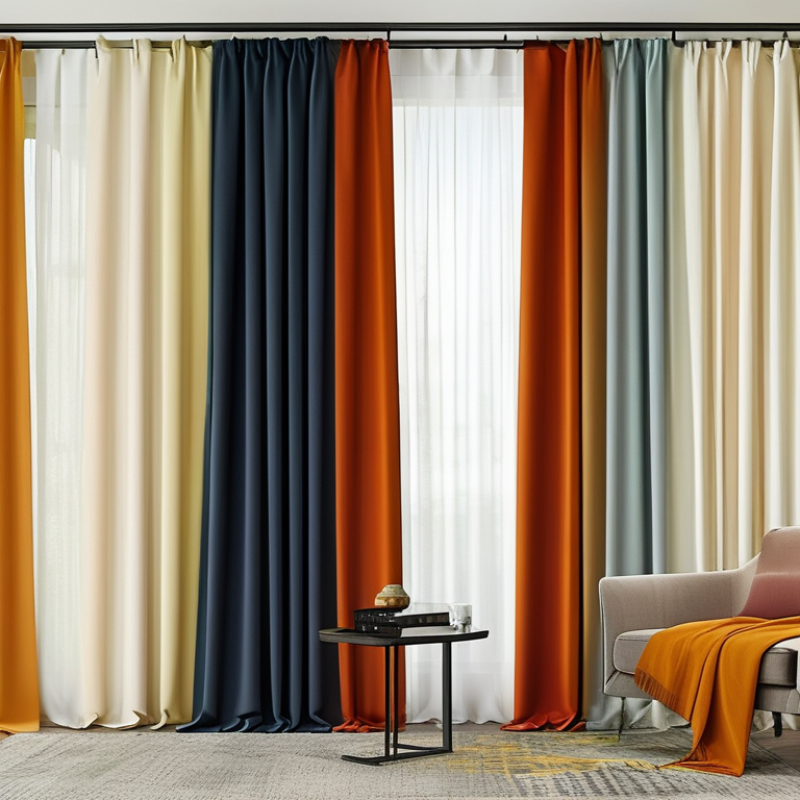
When choosing fabrics for window shades, consider the various types available. Light-filtering fabrics offer soft illumination while maintaining some privacy. These are ideal for living spaces where ambiance matters. Blackout fabrics provide complete darkness, perfect for bedrooms or media rooms, ensuring minimal light intrusion. Additionally, sheer fabrics allow natural light while preserving views from outside, striking a balance between brightness and privacy.
Another important aspect is the material quality. Polyester is popular due to its durability and resistance to fading. Cotton, while natural, may require more maintenance but offers a soft texture. Linen can lend an elegant look but is more prone to wrinkling. It's essential to weigh the aesthetic against practical considerations. Reflections on how fabric choice impacts the overall decor can lead to better decisions.
Tips for selection include evaluating the room's function and the desired level of light control. Think about maintenance requirements as well. A recent industry report indicated that nearly 70% of homeowners prefer low-maintenance options for ease of use. Understanding your needs can facilitate a more informed choice. The right fabric not only enhances the decor but also improves functionality.
Best Fabrics for Window Shades: Tips for Choosing the Right One
| Fabric Type |
Light Filtering |
Energy Efficiency |
Maintenance |
Ideal Use |
| Cotton |
Medium |
Low |
Easy |
Living Rooms |
| Polyester |
High |
Moderate |
Very Easy |
Kitchens |
| Linen |
Medium |
Low |
Moderate |
Formal Areas |
| Blackout Fabric |
No Light |
High |
Easy |
Bedrooms |
| Sheer Fabric |
High |
Low |
Easy |
Living Rooms |
Factors to Consider When Choosing Fabric for Window Shades
Choosing the right fabric for window shades involves several factors. Light filtering is one of the most crucial aspects to consider. Some fabrics allow natural light to seep through while maintaining privacy. Others block out light for a darker environment. Think about the room where the shades will be installed. A bedroom may require blackout fabric, while a living area might benefit from softer, light-filtering materials.
Another element to consider is durability. Fabrics that withstand sunlight tend to last longer. If you're in a sun-drenched location, opt for UV-resistant materials. This can help prevent fading and damage over time. Remember to examine the weave and thickness. A heavier fabric can provide better insulation but may also feel bulkier.
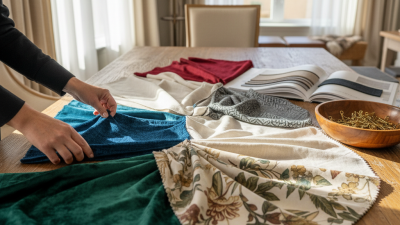
Texture can influence both the aesthetic and the function of the shades. A smooth texture can add elegance, while a textured fabric can provide a more casual feel. Consider how the fabric complements your existing decor. It’s worth experimenting with swatches before making a decision. Take time to notice how different fabrics respond to light at various times of the day. Ultimately, ensuring comfort and style in your space is key.
Light Control and Privacy: Fabric Options Explained
Choosing the right fabric for window shades is essential for controlling light and ensuring privacy. Different fabrics offer unique characteristics that can enhance your living space. For instance, sheer fabrics allow soft light to filter through, creating a warm ambiance. However, they may not provide the level of privacy you desire, especially at night.
On the other hand, blackout fabrics excel in light control. They block nearly all sunlight, making them ideal for bedrooms or media rooms. Yet, these fabrics can feel heavy and dark during the day. A compromise might be using layered treatments or dual fabrics, allowing flexibility based on the time of day.
Consider the color and texture as well. Light-colored fabrics can make small rooms appear larger, while darker shades create a cozy, intimate atmosphere. Reflecting on these options is important. Choose a fabric that not only suits your taste but also meets your practical needs for light and privacy.
Durability and Maintenance of Different Shade Fabrics
When selecting fabrics for window shades, durability and maintenance are crucial considerations. Different materials, such as polyester, cotton, and vinyl, offer varying levels of durability. According to a report from the American Society of Interior Designers, polyester is known for its strength and resistance to fading, maintaining its appearance for up to ten years with proper care. Cotton, while breathable and soft, may require more frequent replacement due to its susceptibility to stains and fraying.
Maintenance is another key factor. Fabrics that can be wiped clean or machine-washed are often more practical. A study by the Textile Research Journal noted that synthetic fabrics, like those made from polyester blends, repel dust better than natural fibers. This may reduce the frequency of cleaning and prolong the life of the fabric. However, cleaner fabrics can still develop odor if not maintained properly.
Choosing the right fabric also involves considering your environment. Rooms with high humidity may benefit from moisture-resistant options, while areas exposed to direct sunlight may need UV-filtering shades. Balancing aesthetic appeal with practical longevity can be challenging. It's essential to weigh these factors and consider potential maintenance issues when making your selection.
Best Fabrics for Window Shades: Durability and Maintenance
This chart illustrates the durability of various fabric types used for window shades. Polyester and blackout fabrics tend to last the longest, while sheer fabrics have a shorter lifespan. When choosing the right fabric, consider how often you will need to maintain and replace window shades.
Aesthetic Appeal: Colors and Patterns for Window Shades
When selecting window shades, aesthetic appeal is crucial. Colors and patterns play a significant role in enhancing interior spaces. According to the 2023 Interior Design Trends Report, over 65% of homeowners prioritize color schemes when choosing window coverings. Bold tones can energize a room, while soft hues promote calmness.
Patterns also contribute significantly to visual interest. Geometric prints are gaining popularity, as they add modern flair. Floral designs, on the other hand, evoke a sense of nature and serenity. In a recent survey, 58% of interior designers noted that incorporating patterns enhances a room's character. However, it's important to balance patterns with other decor elements.
While focusing on aesthetics, consider the practicality of your choices. Some fabrics may appear stunning but lack durability or light control. Testing samples in your space can reveal their true effect on natural light and color perception. This process often uncovers how specific patterns interact with existing furniture and decor. The interplay between functionality and style should always remain a priority when selecting window treatments.