Blog

Why Choose Carole Fabrics Roman Shades for Global Buyers?

Global buyers often want window shades that look refined, operate smoothly, and remain practical across changing climates. Carole fabrics roman shades attract attention because they combine tailored folds with the warmth of textile design. Their appearance can suit a quiet bedroom, a bright dining room, or a formal hospitality space. The fabric makes the difference.

A careful evaluation should go beyond attractive photographs. Buyers need to examine fabric weight, lining options, fold structure, mounting systems, and available measurements. A soft linen appearance may create an elegant room, yet it can require more careful maintenance. Dense fabrics may improve privacy and light control, but they can also feel visually heavy. These details matter.

Real experience begins with accurate measuring and clear communication. Room width, window depth, installation height, and control preferences should be confirmed before ordering. International customers should also review packaging, lead times, care instructions, and after-sales support. These practical points often decide whether a shade feels successful after installation.

Quality deserves evidence. Product samples, detailed specifications, installation guidance, and responsive supplier communication can help buyers make informed decisions. However, no fabric is perfect. Color may look different under local daylight, and online images cannot fully show texture. That limitation deserves honest attention.

This introduction explores why these roman shades may suit global interiors, while also considering their practical boundaries. The goal is not to promise perfection. It is to help buyers compare style, performance, service, and long-term value with greater confidence.
Why Choose Carole Fabrics Roman Shades for Global Buyers?

What Are Carole Fabrics Roman Shades?

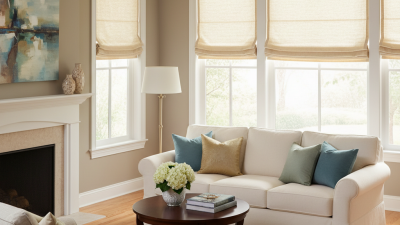
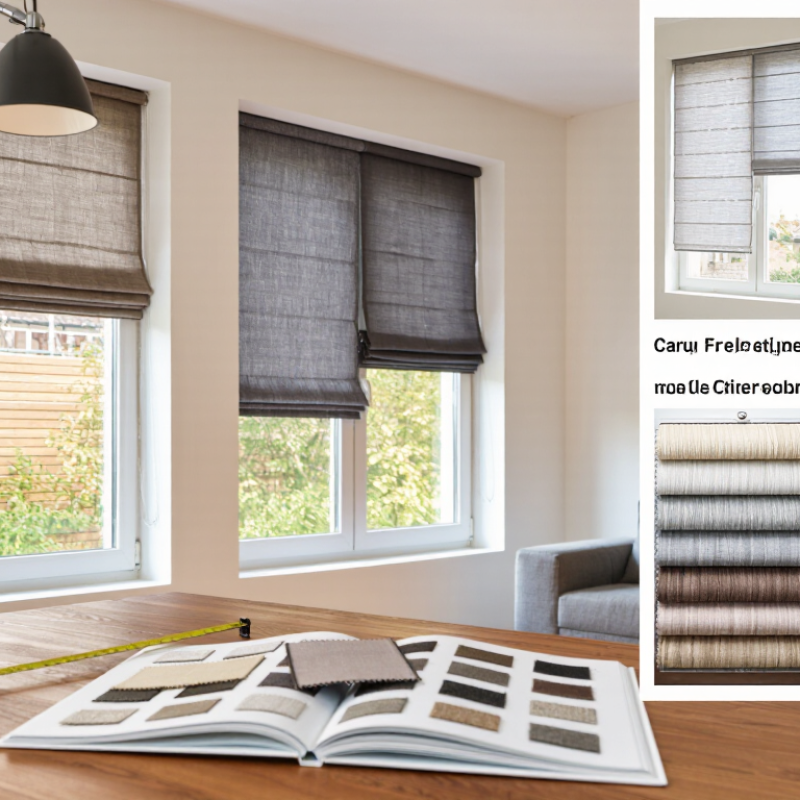
Roman shades are fabric window coverings that fold into neat horizontal layers when raised. These shades use a headrail, lift mechanism, and tailored fabric panel. Their soft folds add warmth without the bulk of curtains. In practice, I have found them useful in bedrooms, reading rooms, and compact apartments. They control daylight while supporting a cleaner interior style.

The fabric choice matters greatly. Light-filtering materials create a gentle glow, while lined or blackout fabrics improve privacy and sleep comfort. Moisture-resistant options may suit kitchens, but bathrooms require careful ventilation. Global buyers should check fabric composition, measurement standards, child-safety features, and installation requirements before ordering. A small measuring error can leave visible gaps. I learned that the hard way.

Tips: Measure the window in three places. Use the smallest width for an inside mount. Request fabric samples in natural daylight. Check the fold depth before selecting a shallow frame. Do not assume every shade fits every window.

Professional fitting also affects daily use. A level headrail helps the folds stack evenly and prevents uneven tension. Motorized operation can improve accessibility, but buyers should confirm voltage compatibility and local service support. Some fabrics look elegant online yet feel too heavy in person. That detail deserves more attention.

How Do Their Materials and Designs Meet Global Needs?

Roman shades can serve global interiors when their materials match real living conditions. In humid coastal homes, moisture-resistant blends help reduce swelling and odor. In sunny rooms, tightly woven fabrics and UV-filtering linings protect furniture from fading. Blackout options also support bedrooms, nurseries, and media spaces across different time zones.

Material choice affects comfort, maintenance, and appearance. Linen blends offer a relaxed texture, but natural fibers may wrinkle or shift slightly. That is not always a defect. It can add warmth, though some buyers may prefer a cleaner finish. Polyester and performance fabrics usually provide steadier color and simpler cleaning. Fabric samples should be viewed in daylight, because online images can misrepresent tone.

Design flexibility helps Roman shades suit apartments, villas, offices, and hospitality projects. Flat folds create a quiet, modern profile. Soft folds bring depth to traditional rooms. Neutral colors travel well, while regional tones can create a stronger sense of place. Reliable suppliers should provide accurate measurements, lining details, care instructions, and tested operating systems. Child-safe controls and suitable mounting hardware also matter. Motorized operation can improve accessibility, but power compatibility and local installation support require careful checking. A small measuring error can change the whole result. That detail deserves attention.

What Customization Options Are Available for International Buyers?

International buyers can tailor Roman shades to suit different windows, climates, and interior styles. Fabric selection is the practical starting point. Linen blends offer a relaxed texture, while tightly woven polyester can provide stronger shape retention. Cotton adds softness, but it may need more careful maintenance. Sample swatches help reveal color changes under daylight.

Customization also includes shade width, length, fold style, and lining. Buyers may choose a blackout lining for bedrooms or a light-filtering lining for living areas. Thermal lining can support indoor comfort in changing weather. Inside mounts create a clean appearance, while outside mounts can make small windows look larger. Accurate measurements matter. A few millimeters can affect the final fit.

Control options should match the room’s daily use. Cordless systems suit homes where cleaner lines and safer operation are priorities. Motorized controls can help with tall windows or hard-to-reach spaces. International customers should confirm voltage, control compatibility, mounting hardware, and installation guidance before ordering. Regional humidity may also influence fabric performance. A beautiful sample is not always a practical choice. My own preference can change after seeing a fabric beside the wall color, because screens often misrepresent warmth and texture. Requesting samples and reviewing care instructions makes the decision more reliable.

Why Choose Roman Shades for Global Buyers? – What Customization Options Are Available for International Buyers?

Customization Dimension Common Options Practical Benefit for International Buyers Important Specification to Confirm
Fabric Opacity Sheer, light-filtering, room-darkening, or blackout Helps control daylight, privacy, glare, and bedroom darkness across different climates and room uses. Ask whether the stated opacity applies to the fabric alone or to the finished shade with lining.
Fabric Composition Cotton, linen, polyester, rayon blends, or performance textiles Allows buyers to balance texture, durability, cleanability, light control, and overall appearance. Review fiber content, care instructions, colorfastness, and expected dimensional stability.
Color and Pattern Solid colors, woven textures, geometric prints, botanical motifs, and custom color matching Supports coordination with local architectural styles, furniture, and interior color schemes. Request physical samples because screens and lighting can affect perceived color.
Lining Unlined, privacy-lined, light-filtering-lined, thermal-lined, or blackout-lined Improves privacy and light management while potentially supporting indoor comfort. Confirm lining color, thickness, sewing method, and whether it changes the finished fold appearance.
Fold Style Flat fold, cascading fold, relaxed fold, or softly tailored fold Makes it possible to match formal, contemporary, traditional, or casual interiors. Check the minimum and maximum recommended shade dimensions for the selected fold style.
Mounting Method Inside mount or outside mount Accommodates different window recesses, trim details, privacy needs, and available wall space. Provide finished recess measurements and identify obstructions such as handles, vents, or security sensors.
Operating System Cord-operated, continuous-loop, chain-operated, cordless, or motorized Offers flexibility for small windows, tall windows, hard-to-reach openings, and safety-conscious installations. Confirm child-safety requirements, control location, power source, and compatibility with local electrical standards.
Motorization and Smart Control Remote control, wall switch, timer, hub integration, or voice-assistant compatibility Enables convenient operation of multiple shades and supports scheduled daylight management. Verify voltage, plug type, wireless frequency, app availability, and regional smart-home compatibility.
Decorative Finish Contrast banding, decorative trim, scalloped bottom, piping, or plain hem Adds visual definition and helps coordinate the shade with curtains, upholstery, and other finishes. Confirm trim width, placement, pattern direction, and how the detail appears when the shade is raised.
Measurement and Fit Standard-size selection or made-to-measure production Made-to-measure shades can accommodate unusually wide, narrow, tall, or irregular windows. Use the supplier’s measurement guide and specify units clearly, such as millimeters, centimeters, or inches.
Fabric Performance Stain resistance, moisture resistance, abrasion resistance, or flame-retardant treatment Helps buyers select materials appropriate for kitchens, hospitality projects, humid rooms, and high-traffic spaces. Request test methods, performance ratings, care limitations, and documentation relevant to the destination market.
Sample Approval Fabric swatches, lining samples, finish samples, or a full-size sample shade Reduces the risk of selecting an unsuitable color, texture, opacity, or fold proportion remotely. Approve samples before placing a large order, especially for multi-room or commercial projects.
International Delivery Preparation Protective packaging, consolidated shipment, installation instructions, and spare hardware Supports safer cross-border transport and simplifies installation by local contractors. Confirm packaging dimensions, shipping terms, customs documents, import duties, and replacement-part availability.
Compliance and Documentation Care labels, material information, safety instructions, warranty terms, and electrical documentation where applicable Helps buyers assess suitability for residential, hospitality, retail, and contract projects in different markets. Check destination-country rules for window-covering safety, labeling, fire performance, and electrical products.

Availability, dimensions, performance ratings, control systems, lead times, and certification requirements may vary by supplier, fabric collection, window size, order quantity, and destination country.

How Do Quality, Pricing, and Shipping Compare?

For global buyers, Roman shades should be judged beyond attractive photographs. Quality appears in even stitching, smooth folds, reliable lifting hardware, and fabric that hangs without twisting. Request material samples before ordering. A small color difference can look dramatic beside a sunny window. Check lining options, blackout performance, and moisture resistance for each room.

Pricing needs a wider comparison. A low product price may exclude custom sizing, upgraded fabrics, mounting hardware, or remote controls. Ask for a complete quotation in your currency. Confirm whether taxes, customs duties, and local delivery charges are included. Measurements also matter. Incorrect width or depth can create replacement costs, even when the shade itself is well made. I have found that the cheapest option is not always the most economical. That assumption deserves review.

Tips: Measure each window in three places, then record the smallest measurement. Confirm production time, packaging standards, tracking, and damage procedures in writing. International shipping may take longer during peak seasons. Ask how the shades are protected inside the carton. Photographs of the packed order can provide useful evidence. Payment protection and clear communication also improve reliability, especially when time zones make quick clarification difficult. One overlooked detail can delay an entire room.

Why Choose Custom Roman Shades for Global Buyers?

Quality, pricing, and delivery time are the main factors global buyers should compare when sourcing made-to-order Roman shades.

The chart shows common non-brand-specific planning ranges for custom Roman shades: approximately 2–6 weeks for production, 1–4 weeks for international transit, and US$150–US$600 per shade depending on size, fabric, lining, operating system, and customization. Buyers should also verify fabric durability, stitching quality, hardware reliability, packaging standards, tracking availability, and after-sales support before placing an order.

What Should Global Buyers Consider Before Ordering?

Global buyers choosing Roman shades should evaluate more than appearance. Start with exact window measurements, including recess depth, handle clearance, and mounting space. A small error can make a shade unusable.

Fabric performance also depends on climate. Humid rooms need moisture-resistant materials, while strong sunlight may require UV protection. Blackout fabric can improve sleep, but it may not block every edge of morning light. That detail is easy to overlook. Ask about fabric composition, lining, color samples, operating systems, and cleaning instructions. A dependable supplier should provide clear specifications, realistic lead times, secure packaging, and responsive support across time zones.

Tips: Request a physical sample before ordering. Confirm dimensions in writing. Check whether the quoted price includes hardware, taxes, shipping, and installation guidance. Ask for photos of finished projects, but remember that online images can hide stitching or color differences. Your window may not match the example.

Before payment, review the warranty, replacement process, and return conditions. Also confirm whether the shade is suitable for your room’s light, heat, and moisture levels. Experienced installers can identify problems that a product page misses, especially with deep frames or uneven walls. I would not rely only on attractive photos. A careful specification check usually prevents expensive adjustments later.