Blog

How to Choose Carole Drapery Fabric for Your Home?

Choosing carole drapery fabric is not just a color decision. It affects privacy, daylight, room comfort, and how a window feels each day. The U.S. Department of Energy’s Energy Saver guidance reports that heat gain and heat loss through windows account for about 25–30% of residential heating and cooling energy use. That figure is not a promise that new curtains will cut energy bills by the same amount. It does show why fabric weight, lining, and coverage deserve careful attention.

Start with the room’s actual conditions. Notice how strong afternoon sun falls across the floor, whether streetlights reach the bedroom, and how often the curtains will be opened. A pale, loosely woven sample may glow beautifully in daylight. It may also offer less privacy after dark. Heavy fabric can soften glare, but it may overwhelm a narrow window. Small details matter.

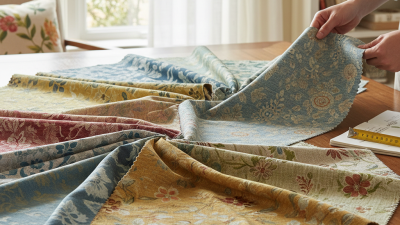
Feel the swatch. Check its drape, texture, and care instructions, then compare it with the wall color and nearby upholstery. Ask a retailer for the fabric’s fiber content, width, cleaning guidance, and any available durability or lightfastness test information. Those details are more useful than a vague claim that a textile is “high quality.” For carole drapery fabric, the best choice depends on the window, the room, and your tolerance for upkeep. There is no perfect swatch. A choice that looks lovely in a showroom can feel too heavy at home; take samples home and view them in morning and evening light.

How to Choose Carole Drapery Fabric for Your Home?

Understand Carole Drapery Fabric Types and Their Features

Carole drapery fabric can range from airy sheers to substantial, light-blocking weaves, and each behaves differently at the window. Sheer fabrics soften daylight but offer little privacy after dark. Cotton and linen blends have a relaxed texture; they suit casual rooms, though some may wrinkle or fade in strong sun. Polyester blends often hold their shape and are easier to maintain. Velvet feels heavier and can reduce drafts, but it may overwhelm a small window. Feel the fabric, not just the color.

A showroom swatch can mislead. Hold it against the window at morning and evening, when the light changes. Check the lining, too. A lining can improve privacy and protect delicate fibers, but it also adds weight and changes how the curtain hangs. For wide windows, test a full-length sample or ask how much fullness the fabric needs; a stiff weave may form broad folds rather than soft ones. Care labels matter. Dry cleaning can be inconvenient, while washable fabrics may shrink if handled carelessly. There is no perfect choice, and I would reconsider any fabric that looks beautiful but does not suit the room’s light, cleaning routine, or daily use.

Assess Room Conditions, Privacy Needs, and Light Levels

Choose Carole drapery fabric by checking the room before falling for a color. A south-facing living room may need a tighter weave or lining to soften glare and protect furnishings. In a shaded bedroom, lighter fabric can preserve daylight while still reducing outside visibility. Consider the view at night, too: sheer panels offer little privacy once interior lights are on.

The U.S. Department of Energy’s Energy Saver guidance says heat gain and loss through windows account for about 25–30% of residential heating and cooling energy use. That makes fabric weight and lining worth considering, especially near drafty windows. In humid rooms, avoid heavy fabrics that stay damp; kitchens also benefit from materials that are easier to clean. Hold a sample against the window at morning and late-afternoon light. Small differences matter. And, honestly, a swatch may still look unlike the finished curtain.

Tips: Note the room’s sun exposure, privacy needs, and window drafts before ordering. Try the fabric at the window, not just under showroom lights. If a bedroom faces a street, pair a decorative curtain with a separate privacy layer. Don’t assume “blackout” means total darkness; fit and gaps at the sides affect the result.

How to Choose Drapery Fabric for Your Home

Compare common fabric weights against three practical priorities when assessing room conditions, privacy, and light.

Scores are qualitative guidance on a 1–5 scale, not laboratory measurements. Actual performance varies with fabric, lining, color, and installation. Consider room exposure and privacy needs before choosing.

Choose a Fabric Color, Pattern, and Texture

Color sets the room’s mood, but it also changes with the light. A warm ivory may look creamy at noon and gray near dusk. Bring fabric samples home and view them beside the wall, floor, and furniture. Check them in daylight and with lamps on. A small swatch can mislead.

Pattern should suit both the window and the room’s scale. Large florals or bold stripes can make a wide window feel intentional, yet may overwhelm a compact space. Hold the sample up at full height if possible. Notice where motifs land near the curtain edges. A repeat that looks balanced on a table may feel awkward when gathered. This detail is easy to miss.

Texture affects appearance and daily use. Linen-like weaves bring a relaxed, slightly uneven surface; smoother fabrics can feel more formal and reflect light. Rub a sample gently between your fingers, then see how it hangs when folded. Consider whether the room needs a soft filter or more privacy, and check the fabric’s care guidance. There is no perfect choice. Sometimes the subtle texture you barely notice in the shop becomes the feature you enjoy most at home. Sometimes it doesn’t. Test before committing.

Compare Durability, Care Requirements, and Installation Needs

For Carole drapery fabric, match durability to the room, not just the sample. A sunny living-room window can fade delicate fibers, while kitchen curtains collect grease and odors. Touch the fabric. Check its care label, fiber content, and colorfastness guidance before ordering. AATCC TM135 provides a standard method for measuring fabric dimensional changes after home laundering; ask whether washable fabric has been tested this way. Shrinkage matters. A panel that loses length may leave an uneven line above the floor.

Care needs affect long-term cost. Linen can crease easily, while some synthetic blends tolerate routine use better; neither choice is maintenance-free. I would not overvalue a fabric’s abrasion score alone. Drapes face sunlight, dust, and repeated handling more often than seat friction. For installation, weigh the fabric and lining together, then choose a rod and brackets rated for that load. Allow room for panels to stack clear of the glass. The U.S. Department of Energy says insulated cellular shades can reduce window heat loss by 40% or more and unwanted solar heat by up to 60%; drapes differ, but the figures show why window coverage and fit matter. Measure twice. A small gap at the sides can weaken light control, while a heavy blackout lining may need sturdier supports.

How to Choose Carole Drapery Fabric for Your Home? - Compare Durability, Care Requirements, and Installation Needs

Fabric Type Typical Durability Care Requirements Installation Considerations Best Suited For
Cotton Moderate to good, depending on weave and lining. Can fade with prolonged direct sunlight. Care varies by finish; some cotton fabrics are washable, while lined or structured curtains may require professional cleaning. Check the care label to reduce shrinkage risk. Usually straightforward to sew and hang. A lining can add body, improve light control, and help protect the fabric from sunlight. Bedrooms, living rooms, and relaxed traditional or casual interiors.
Linen Strong fibers, but the fabric can crease easily and may weaken with repeated abrasion. Sun exposure can affect color over time. Often needs gentle handling; washing may cause shrinkage or change the drape. Follow the care label and consider professional cleaning for lined panels. Its natural texture and relaxed drape can suit simple pleats or unstructured styles. A lining may improve coverage and help limit sun damage. Bright living spaces and interiors where a naturally textured look is desired.
Polyester Generally resistant to stretching and wrinkling, with good everyday wear performance. Colorfastness and abrasion resistance vary by fabric construction. Many polyester curtains are easy to maintain, but cleaning instructions differ by product. Avoid high heat unless the care label allows it. Often holds pleats well and is available in lightweight and heavier constructions. Confirm the fabric weight is suitable for the chosen track or rod. High-use rooms, family homes, and spaces where low-maintenance options are preferred.
Cotton-Polyester Blend Combines the natural look of cotton with added shape retention; performance depends on the fiber ratio and weave. May wrinkle or shrink less than some all-cotton fabrics, but care is product-specific. Check whether the panels are lined before cleaning. Typically easy to work with and can suit a range of heading styles. Medium-weight versions may need sturdy rings or a well-supported rod. Everyday rooms needing a balance of appearance and practical upkeep.
Velvet Can be durable when made with a stable backing, though the pile may flatten or show pressure marks. Dense fabric can be heavy. Usually requires careful handling; brushing gently in the direction of the pile may help with routine upkeep. Check the label before steaming or cleaning. Its weight may require a strong rod, secure brackets, and suitable rings or hooks. Measure carefully because thick fabric takes up more stack-back space. Bedrooms, formal spaces, or rooms where a substantial, soft-looking curtain is wanted.
Silk Delicate compared with many common curtain fabrics and can be vulnerable to sunlight and abrasion. Often needs professional care. A protective lining is commonly used to reduce light exposure; follow the fabric supplier’s instructions. Lightweight silk can be easier to hang, but tailored headings and lining may require experienced sewing and installation. Low-traffic rooms where a refined appearance is more important than easy maintenance.

Note: Durability and care depend on the fabric’s weave, weight, finish, lining, and exposure to sunlight. Always check the specific care label, measure the window and desired fullness, and make sure the rod or track can support the finished curtain weight.

Match Your Final Fabric Choice to Your Home’s Style

Match the drapery fabric to the feeling of the room, not just its furniture. In a relaxed cottage interior, small-scale florals or softly textured linen can echo painted wood and worn finishes. For a tailored, modern space, consider a quiet solid or subtle geometric pattern. Traditional rooms often welcome fuller folds and detailed motifs, but restraint can feel fresher than matching every pattern.

Look at the fabric beside your wall color, flooring, and largest upholstered piece. A warm cream may turn yellow beside cool gray paint. Check the sample in morning light and again after sunset. Light changes everything. Also consider the fabric’s weight: a heavier weave makes generous folds, while a lighter one may suit an airy room. Measure the window and note where the hem will fall before ordering.

A beautiful sample can still feel wrong at the window. That is worth admitting. Hang a larger swatch for a few days, and view it from the doorway as well as up close. In a busy room, let the curtains provide a calm pause. In a sparse room, a restrained pattern can add character without taking over. Choose a lining based on privacy and sunlight, and check care instructions against your routine. The best match should look at home and work for daily life.