Blog

Top Carole Fabrics Roman Shades for Global Buyers?

Choosing window coverings across borders requires more than attractive swatches and polished product photos. This guide examines carole fabrics roman shades through a practical lens, helping global buyers assess fabric quality, construction, sizing, and supplier reliability. Each shade should be judged in its actual setting, not only under showroom lighting.

Experienced buyers often request fabric samples before placing an order. A small swatch can reveal weave density, color variation, and how sunlight changes the surface. It can also expose weaknesses. A darker fabric may absorb heat, while a thin lining may allow unwanted glare. Precise measurements matter just as much. Window depth, mounting style, fold spacing, and control placement can affect both appearance and daily use.

Reliable purchasing also depends on clear product documentation. Buyers should confirm material composition, care instructions, packaging standards, lead times, and available customization. Supplier responses should be specific, consistent, and easy to verify. Trade references, detailed photographs, and sample approvals can reduce avoidable surprises. Still, no checklist removes every risk. Fabric colors may differ between screens and natural light, and installation conditions vary by region.

This overview compares leading design considerations for global applications, including privacy, light control, insulation, and maintenance. It avoids treating one style as universally perfect. A refined shade must suit the room, climate, window structure, and buyer’s expectations. Small details matter. That is where professional judgment becomes valuable.
Top Carole Fabrics Roman Shades for Global Buyers?

Carole Fabrics Roman Shades: Definition and Core Features

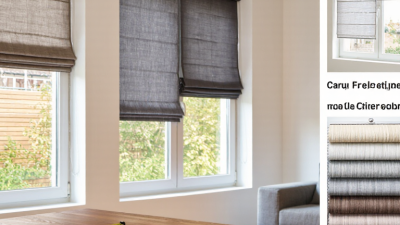
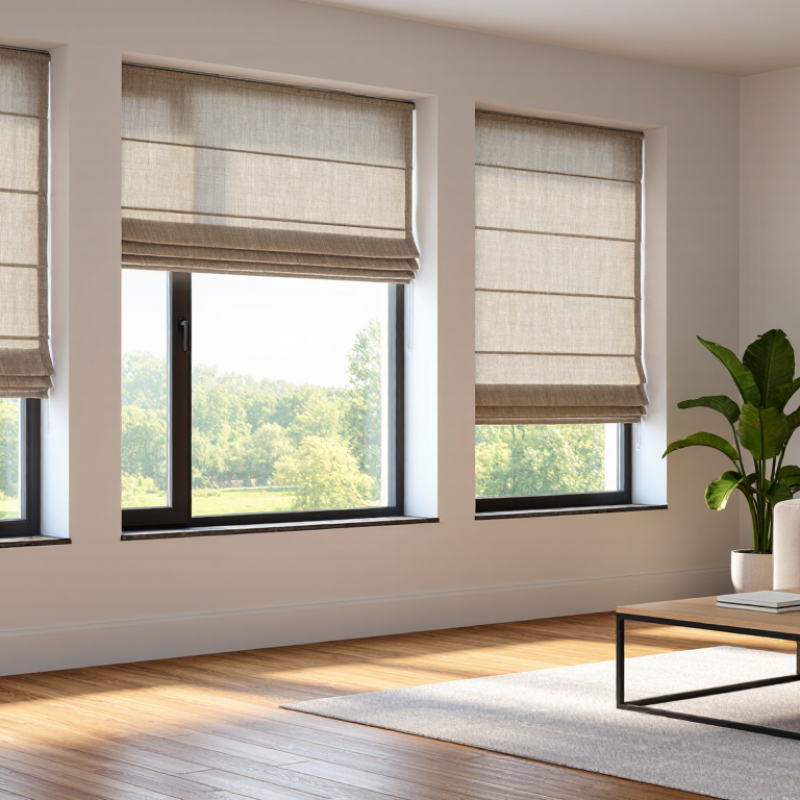
Fabric Roman shades are soft window coverings that fold into neat horizontal pleats when raised. Their fabric panels hang flat when lowered, creating a clean, tailored appearance. Unlike roller shades, they add visible texture and warmth to a room.

From practical installation experience, their main strength is balance. They can filter harsh sunlight, support daytime privacy, and reduce visual glare near desks or sofas. Lined fabrics usually provide better light control and insulation. Blackout linings suit bedrooms, while light-filtering options work well in living areas. The folding style also affects performance. A flat fold looks modern, while a relaxed fold feels more informal. Small details matter.

Fabric choice deserves careful attention. Linen blends offer natural texture but may crease or soften unevenly. Polyester blends are often easier to maintain and more stable in humid rooms. Moisture can still cause problems. Buyers should check fabric width, lining type, mounting depth, and operating method before ordering. Measurements must include the window frame, handles, and nearby trim. A few millimeters can change the final fit.

Color can appear different under warm evening lighting. Requesting a physical sample is wiser than trusting a screen image. These shades are not perfect; pleats may shift slightly with use, and delicate fabrics need gentle cleaning. Still, careful specification can produce a durable, refined window treatment for many interior styles.

Key Fabric Types and Design Options for Roman Shades

Top Roman Shade Fabrics for Global Buyers

Roman shades depend on fabric choice, because texture controls light, privacy, and the room’s visual weight. Linen offers a relaxed surface with gentle daylight filtering. Cotton feels soft and versatile, but it may crease or fade near strong windows. Polyester resists moisture and usually keeps its shape better. Blended fabrics can balance appearance, durability, and maintenance. For bedrooms, blackout lining reduces early morning light. Sheer or light-filtering fabric suits living rooms and dining areas.

Design changes the shade’s character. Flat-fold styles look clean and modern, while hobbled folds create deeper, softer layers. Relaxed folds add an informal shape, although they may not hang evenly on wide windows. Contrast borders can frame the fabric without overwhelming it. A lining also improves structure. Motorized operation can help with tall windows, but buyers should confirm local safety requirements and electrical compatibility.

Tips: Request fabric samples before ordering. View them in daylight and evening light. Measure inside and outside mounts carefully. Check cleaning instructions, shrinkage, colorfastness, and lining options. Ask for documented material details and relevant safety testing.

A practical fitting lesson is that attractive fabric can perform poorly in real conditions. A delicate weave may catch on nearby furniture. Dark colors can show dust more clearly than expected. No option is perfect. The best selection matches sunlight, humidity, window size, and daily use rather than photographs alone.

Top Carole Fabrics Roman Shades for Global Buyers? - Key Fabric Types and Design Options for Roman Shades
Fabric Type Key Characteristics Light Control Privacy Level Common Design Options Recommended Applications Care and Buyer Considerations
Linen and Linen Blends Natural texture, breathable appearance, and a relaxed drape. Linen blends generally offer improved dimensional stability compared with pure linen. Usually filters daylight rather than fully blocking it. Lining can increase room darkening. Low to medium without lining; medium to high with a privacy lining. Flat fold Hobbled fold Natural neutrals Textured weaves Living rooms, dining areas, bedrooms, and interiors designed around natural materials. May wrinkle naturally and can show light variation between dye lots. Confirm shrinkage, lining, and cleaning instructions before large-volume production.
Cotton and Cotton Blends Soft hand, broad color availability, and a familiar woven appearance. Blended constructions can improve durability and reduce shrinkage. Ranges from light filtering to room darkening depending on weight, weave, and lining. Medium in most medium-weight constructions; higher with lining. Flat fold Relaxed fold Printed patterns Solid colors Bedrooms, nurseries, family rooms, rental interiors, and coordinated soft-furnishing projects. Check colorfastness and laundering limitations. Cotton may shrink or crease if not properly stabilized and installed.
Polyester Consistent performance, strong color retention, broad availability, and generally good resistance to wrinkling and stretching. Available in light-filtering, dim-out, and blackout constructions. Medium to high, depending on fabric density and lining. Flat fold Waterfall fold Blackout lining Digital prints Hotels, apartments, offices, bedrooms, and projects requiring repeatable specifications. Verify the fabric weight, coating type, flame-performance requirements, and resistance to pilling. Polyester can retain heat more readily than some natural fibers.
Velvet Dense pile, rich visual depth, soft touch, and strong decorative impact. The pile direction can affect how the color appears. Often provides moderate light reduction; a blackout or thermal lining may be added for stronger control. High because of its dense surface and heavier construction. Hobbled fold Decorative borders Jewel tones Formal styling Luxury bedrooms, theaters, hospitality interiors, and formal living spaces. Requires careful handling to avoid crushing the pile. Review cleaning methods, shade stack height, fabric direction, and installation clearance.
Silk and Silk Blends Lustrous surface, elegant drape, and refined color depth. Silk is more sensitive to ultraviolet exposure and moisture than many synthetic options. Usually light filtering unless combined with a suitable lining. Low to medium without lining; higher with lining. Flat fold Soft folds Decorative trim Muted sheen Low-use formal rooms, luxury hospitality spaces, master bedrooms, and decorative window treatments. Use a protective lining where sunlight is strong. Professional cleaning is commonly preferred; test colorfastness and seam behavior before production.
Polyester Blackout Fabric Opaque construction or backing designed to reduce incoming light. It can support stronger privacy and improved sleep conditions. High light reduction; actual blackout performance depends on fabric, seams, side gaps, and installation. High during closed operation. Flat fold Blackout lining Neutral solids Thermal backing Bedrooms, nurseries, media rooms, hotels, and spaces requiring controlled daylight. Specify whether the requirement is room darkening or blackout. Side channels, overlap, and correct mounting can reduce edge leakage.
Sheer and Voile Lightweight, translucent construction that preserves daylight and creates an airy appearance. High daylight transmission with limited glare control. Low, especially at night when interior lights are on. Flat fold Layered shades Soft white Subtle textures Living rooms, sunrooms, dining rooms, and layered window-treatment systems. Usually requires a privacy or blackout layer for bedrooms. Inspect for snag resistance and seam visibility because lightweight fabrics can reveal construction details.
Tweed and Bouclé Textures Textured yarns and irregular surfaces add visual depth and help create a tailored, architectural look. Typically light filtering to medium, depending on density and lining. Medium; higher when lined. Flat fold Banded edges Earth tones Contemporary styling Modern offices, living rooms, boutique hospitality spaces, and minimalist interiors needing tactile detail. Check for snagging, thickness, and fold memory. Heavy textures may require additional stack space above the window.
Outdoor Acrylic and Solution-Dyed Fabrics Designed for improved resistance to sunlight, moisture, and fading compared with many indoor decorative fabrics. Usually light filtering to medium; lining may be unsuitable or unnecessary depending on the product. Medium, subject to fabric openness and weave density. Flat fold Performance solids Striped patterns Moisture-resistant options Covered patios, enclosed porches, sunrooms, coastal interiors, and high-sun-exposure locations. Confirm outdoor suitability, mildew resistance, cleaning method, and hardware compatibility. Performance varies by construction and should be verified through supplier specifications.
Recycled Polyester and Performance Blends Can combine synthetic durability with recycled-content objectives. Performance depends on the fiber blend, backing, and finishing process. Available from light filtering to room darkening. Medium to high, depending on opacity and lining. Flat fold Contemporary colors Textured surfaces Layered systems Residential developments, offices, hospitality projects, and buyers with material-content targets. Request verified recycled-content documentation, durability data, fire-performance information, and end-of-life guidance rather than relying only on general sustainability claims.
Buyer note: Roman shade performance is influenced by fabric construction, lining, window size, fold style, mounting position, and side gaps. Always approve a physical sample and confirm local safety, fire, and labeling requirements before production.

How to Select the Right Carole Fabrics Roman Shade

Choosing the Right Roman Shade for Every Room

Selecting a Roman shade starts with the window, not the fabric sample. Measure the width at the top, middle, and bottom. Record the smallest measurement for an inside mount. For an outside mount, add enough coverage to reduce side light. Small errors become visible when the shade is raised. They are easy to overlook.

Study the room’s daily needs. A softly woven fabric suits a living room with filtered daylight. A lined shade works better in bedrooms, especially for early morning sun. In kitchens and bathrooms, choose a material that tolerates humidity and frequent cleaning. Always check the fabric’s care instructions. Some textures look beautiful but show dust quickly. That can be frustrating.

Look closely at the fold style, stack height, and operating system. Large folds create a relaxed appearance, while smaller folds suit narrow windows. Test the control before ordering, if possible. It should move smoothly and remain comfortable to use. Safety hardware must be installed according to local requirements, particularly in homes with children or pets. One practical lesson is worth remembering: color samples can change under evening lighting. View them near the actual window, at different times of day. Even careful buyers sometimes choose a shade that feels too cool or too heavy after installation. A second sample review can prevent that disappointment.

Top Carole Fabrics Roman Shades for Global Buyers

How to Select the Right Roman Shade Fabric: Typical Fiber Moisture Regain

Moisture regain indicates how much moisture a dry fiber typically absorbs from air under standard textile testing conditions of approximately 20°C and 65% relative humidity. Lower-regain fibers generally absorb less atmospheric moisture and may be more suitable for humid rooms, while higher-regain fibers can offer a natural hand and breathable feel. Final Roman shade performance also depends on weave density, lining, coating, room humidity, and care requirements.

Measuring, Ordering, and Customization for Global Buyers

Top Roman Shades for Global Buyers

Accurate measuring makes international ordering safer. Measure each window separately, even when frames look identical. Record width, height, recess depth, and handle clearance in millimeters. Add clear photos showing hinges, trim, and nearby radiators. A 2024 report from Grand View Research estimates the global window coverings market will continue expanding through 2030. That growth reflects demand for customized light control, privacy, and energy performance. However, a beautiful fabric cannot correct a six-millimeter measuring error.

Choose inside mounting for a clean appearance, but confirm sufficient recess depth first. Outside mounting can improve light blocking and hide uneven frames. Ask for fabric samples before ordering. Color changes under warm bulbs and strong daylight. The U.S. Department of Energy reports that properly fitted window attachments can reduce heat loss significantly. Lined Roman shades may support this benefit, especially near cold glass. Still, results depend on fabric weight, installation quality, and local climate. My practical mistake was treating “standard” measurements as universal. They are not.

Tips:

Use millimeters, not mixed units. Request a written measurement diagram. Confirm cord safety requirements and local import rules before payment. Ask whether the supplier supports remote approval of mock-ups. Check packed dimensions, fabric composition, cleaning instructions, and replacement-part availability. A 2024 DHL Global Connectedness report highlights the importance of reliable cross-border logistics. Therefore, confirm delivery terms, customs responsibility, and damage procedures in writing. Small details feel boring until a shipment arrives damaged.

Installation, Maintenance, and International Purchasing Considerations

Roman shades demand careful installation, especially when purchased across borders. Measure the window recess in millimeters, then confirm whether the supplier uses inside or outside mounting. A two-millimeter error can create visible gaps or prevent smooth movement. Check wall material before selecting screws. Plasterboard, masonry, and timber require different fixings. Keep brackets level. Small deviations become obvious across a wide window.

Energy performance deserves attention. The U.S. Department of Energy reports that tightly installed cellular shades can reduce window heat loss by up to 40%. Roman shades vary widely, so buyers should request fabric density, lining details, and laboratory test results. The International Energy Agency states that buildings consume about 30% of global final energy. Better shading can reduce glare and cooling demand, but it cannot replace proper glazing or insulation. Real results depend on orientation, climate, and daily use.

Maintenance is simpler when the care method is confirmed before payment. Use a soft brush or low-suction vacuum for dust. Avoid soaking fabric unless the supplier approves washing. Inspect cords, seams, and mounting points every few months. International buyers should confirm metric dimensions, voltage requirements for motorized systems, packaging protection, delivery terms, duties, and replacement-part availability. Ask for a sample first. Color may change under showroom lighting. I have seen careful measurements fail because the fabric pattern was ignored. A repeat pattern can shift the final appearance. That detail is easy to miss.