China Top Fabric for Window Shades Suppliers?
China has become a major sourcing base for fabric for window shades, offering wide material choices and scalable production. Buyers can find polyester, fiberglass, linen-look, blackout, sunscreen, and flame-resistant fabrics. Each option serves a different room, climate, and shade system. A reliable supplier should explain these differences clearly. Details matter.
This guide introduces leading Chinese suppliers through practical purchasing criteria, not unverified popularity claims. It considers fabric composition, openness factor, coating quality, color consistency, width options, and minimum order quantities. It also reviews sample procedures, laboratory testing, packaging, lead times, and communication practices. A professional supplier should provide technical data sheets and explain how performance changes under sunlight, humidity, or repeated operation. Factory experience matters, but documented quality control matters more.
Real projects often reveal the truth. A showroom sample may look smooth, while a larger production roll shows slight shade variation. A blackout fabric may block visible light but still release warmth near a sunny window. These details affect customer satisfaction and installation results. No supplier is perfect. Evaluation can miss problems when buyers skip physical samples or rush approvals. That limitation deserves attention.
The following outline helps importers, retailers, designers, and shade manufacturers compare China’s top fabric suppliers more carefully. It supports informed decisions based on evidence, application needs, and long-term service. The goal is not simply to locate a low price. It is to identify dependable fabric for window shades that performs consistently from the first installation onward.
China’s Window-Shade Fabric Market: Polyester, Fiberglass, and Blended Textiles
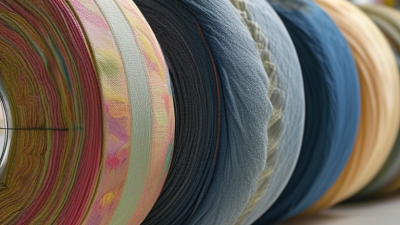
China’s window-shade fabric market is led by polyester, fiberglass, and blended textiles. Polyester remains popular because it is lightweight, color-stable, and easy to process. It suits roller shades, office screens, and residential rooms. Dense weaving can improve privacy without making the fabric feel heavy. Fiberglass-coated fabrics offer stronger dimensional stability. They resist stretching when exposed to heat and repeated rolling. This matters in wide shades, where small distortions become visible quickly. However, coating quality varies between production batches. Test it before ordering.
Blended textiles combine practical strengths. A polyester-fiberglass blend may provide smoother handling, better shape retention, and controlled light filtering. The exact ratio still matters. More fiberglass can improve stability, but may reduce softness during cutting. When evaluating suppliers, request construction details, weight, openness factor, and coating information. Ask for samples from current production, not only showroom pieces. Check edge curling, odor, surface marks, and color changes after light exposure. Relevant test documentation should match the destination market and intended application. A common purchasing mistake is judging fabric only by its first appearance. Small samples can mislead. Batch consistency matters. Suppliers should explain inspection methods, roll length tolerance, packaging, and replacement procedures clearly. Low prices sometimes hide uneven coating or weak quality control, so a second inspection is worth the time.
Supplier Compliance: ISO 105-B02, EN 13120, NFPA 701, and OEKO-TEX
China’s window-shade fabric suppliers are increasingly judged by documented compliance, not attractive sample books. A 2024 industry market report estimated the global window-coverings market at more than USD 30 billion, increasing pressure on suppliers to prove consistent performance. In practice, I would request test reports linked to the exact fabric code, construction, coating, and production site.
ISO 105-B02 measures colour fastness to artificial light. It matters when a roller shade faces strong sunlight beside a south-facing window.
EN 13120 addresses internal-blind safety, including operating components and accessible cords. It is not simply a fabric certificate.
NFPA 701 evaluates flame propagation for certain textile applications, especially where commercial specifications demand documented fire performance. Test conditions must match the intended product.
OEKO-TEX Standard 100 focuses on harmful substances across tested components. It can strengthen chemical-control evidence, but it does not prove every sustainability claim. Recent chemical-management reports continue to identify unfinished supply-chain traceability as a common weakness. That deserves attention.
A scanned certificate alone is not enough. Ask for laboratory scope, issue date, sample identity, and retest rules. Also check whether coating, adhesive, and thread were included. Small omissions can change the result.
Independent factory audits and random batch testing provide stronger evidence than paperwork alone. Some suppliers may still present compliant fabric with non-compliant hardware. That gap is easy to miss.
How to Compare China Suppliers: MOQ, Lead Time, Customization, and QC Data
China Top Fabric for Window Shades Suppliers?
Comparing Chinese fabric suppliers starts with practical numbers, not attractive catalogs. Ask for the MOQ by color, pattern, and finished width. A supplier may quote 500 meters, but each color can require its own minimum. Request a written lead-time schedule for sampling, dyeing, coating, inspection, and packing. Stock fabric may ship within days. Custom production often needs four to eight weeks, especially during busy factory periods. Build in extra time.
Customization should be measured through physical samples. Check fabric weight, width, openness factor, light control, hand feel, and color consistency. Ask whether recycled fibers, blackout layers, or flame-resistant finishes affect the MOQ. Small details matter. A sample can look perfect under showroom lights and appear different beside a window. Request approved swatches before production, with tolerance ranges clearly recorded.
Quality control data separates experienced suppliers from persuasive sales teams. Request recent inspection records showing roll length, GSM, width, shade variation, coating defects, and colorfastness results. Confirm how many rolls were inspected and how defects were classified. Photos of marked defects are useful, but independent testing offers stronger evidence. I once treated a clean sample as proof of stable production; that was a mistake. Compare batch records, corrective-action reports, and packaging photos from recent orders. Reliable suppliers explain failures without hiding them.
Top Supplier Selection Criteria: Solar Control, Fire Safety, Durability, and Cost
China Top Fabric for Window Shades Suppliers?
Selecting a fabric supplier requires more than comparing price lists. Solar control should match the room’s exposure, glazing type, and expected glare level. Ask for openness-factor data, UV performance, and visible-light transmission results. A showroom sample may look excellent, yet perform differently beside west-facing glass.
Fire safety deserves careful verification. Request current, independent test reports and confirm they match the exact fabric, coating, and color. Requirements vary by project location, so local regulations and consultant approval remain essential.
Durability should be tested through abrasion, dimensional stability, colorfastness, and repeated rolling. I have seen attractive fabrics fail at the edges after frequent operation. That small detail matters.
Supplier reliability also includes batch consistency, clear lead times, and honest communication about defects.
Tips:
Order production samples, not only display swatches. Expose them to sunlight, inspect the backing, and test a shade cycle repeatedly. Compare total cost, including sampling, freight, replacement risk, and installation delays. The lowest quotation is not always economical. A slightly higher price may provide stronger testing and fewer complaints, but this assumption should still be checked with evidence. Ask how rejected rolls are recorded and replaced. Suppliers who answer precisely are usually easier to manage, although no supplier is perfect.