Choosing window coverings for international projects involves more than selecting attractive fabric. Buyers must balance daylight control, privacy, insulation, installation methods, and long-term maintenance. This guide explores the top 10 custom window drapery treatments for global buyers, with practical details for residential, hospitality, and commercial spaces.
Every window tells a different story. A tall hotel window may need ripple-fold curtains with quiet motorization, while a compact bedroom may benefit from layered drapery and blackout lining. Linen blends can create a relaxed appearance, but they may wrinkle more than expected. Velvet adds warmth and sound absorption, yet it requires careful handling and stronger hardware. These details matter during sourcing.
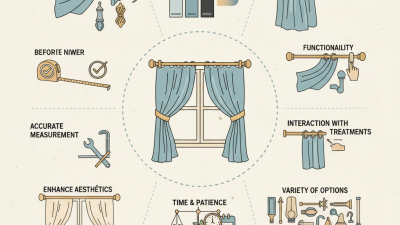
Measurements should be confirmed twice. Small errors can cause uneven hems, light gaps, or difficult installation. Buyers should also review fabric composition, color samples, fire-safety documentation, cleaning instructions, and hardware compatibility. Requirements differ across regions, so reliable suppliers should provide clear specifications rather than vague promises. This article compares custom window drapery treatments by style, performance, cost considerations, and application.
Some recommendations may appear ideal on paper. Real rooms can disagree. Sun exposure, ceiling height, humidity, and local installation skills often change the final result. A beautiful treatment may still fail if it is difficult to clean or repair. Careful planning remains essential. The goal is not to choose the most expensive option, but to select a dependable solution that suits the window, the building, and the buyer’s expectations.
Top 10 Custom Window Drapery Treatments for Global Buyers
Custom window drapery treatments are made-to-measure fabric systems for specific windows, rooms, and operating needs. Unlike ready-made panels, they account for glass width, ceiling height, trim, light direction, and furniture placement. A supplier may recommend lined curtains for a sunny bedroom, sheer layers for a coastal living room, or thermal fabric for a colder office. Details matter. Accurate measurements reduce gaps, dragging hems, and uneven folds. However, measurements can still fail when floors slope or walls are not square.
Global buyers choose custom treatments because climate, architecture, privacy expectations, and installation methods vary widely. A hotel buyer may need flame-resistant materials and quiet tracks, while a homeowner may value blackout control and soft morning light. Export projects also require clear specifications for fabric composition, finished dimensions, packaging, moisture protection, and hardware compatibility. Request physical samples. Color can shift under warm LEDs or strong daylight. Professional guidance helps buyers compare fullness ratios, lining weights, mounting heights, and cleaning requirements before production.
In practice, the best results come from documenting every decision on a measured order sheet. Include window drawings, mounting surfaces, opening direction, and tolerance allowances. Small omissions become expensive. A decorative valance may look elegant, but it can reduce usable window height or obstruct ventilation. One attractive sample can still perform poorly after installation. Buyers should confirm replacement procedures, inspection standards, and fabric performance before approving a large shipment. The final choice depends on coordinated fit, not appearance alone.
Custom window drapery treatments are made-to-measure fabric solutions designed to fit specific window dimensions, operating systems, light-control needs, and interior styles. Global buyers commonly choose them for improved privacy, daylight management, thermal comfort, and design flexibility.
The benchmark compares practical suitability across three common buyer requirements: light control, privacy, and insulation. Blackout curtains and layered treatments perform strongly across all three areas, while sheer and café curtains are primarily selected for daylight and visual softness.
Fabric choice should begin with sunlight, humidity, and daily handling. Linen offers a relaxed texture, but it can crease and fade near strong glass. Polyester blends usually provide better dimensional stability and easier maintenance. Textile Exchange’s Materials Market Report 2024 recorded 124 million tonnes of global fiber production in 2023. That figure encourages buyers to request recycled content, verified composition, and long service life. A lower-impact fabric is not automatically durable.
Lining changes both appearance and performance. Thermal linings can soften heat transfer, while blackout linings improve privacy and bedroom comfort. The U.S. Department of Energy reports that window attachments can reduce heat loss and limit summer heat gain. Results depend on installation quality. Fullness, heading style, and side returns matter. My own sampling mistake was judging color under showroom lighting only. Daylight changed the fabric noticeably. Decorative finishes need equal care. Choose hand-sewn hems, weighted corners, and corrosion-resistant hardware for coastal projects. Test embroidered trims for snagging before approving large orders.
Tips: Request a 60-by-60-centimeter sample. View it at morning and evening. Check shrinkage, rub resistance, and lining opacity. Ask for colorfastness results. Confirm finished width, return policy, and packaging protection. A beautiful swatch can mislead.
Top 10 Custom Window Drapery Treatments for Different Interior Styles
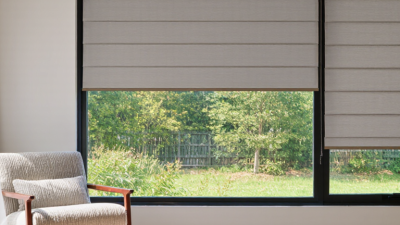
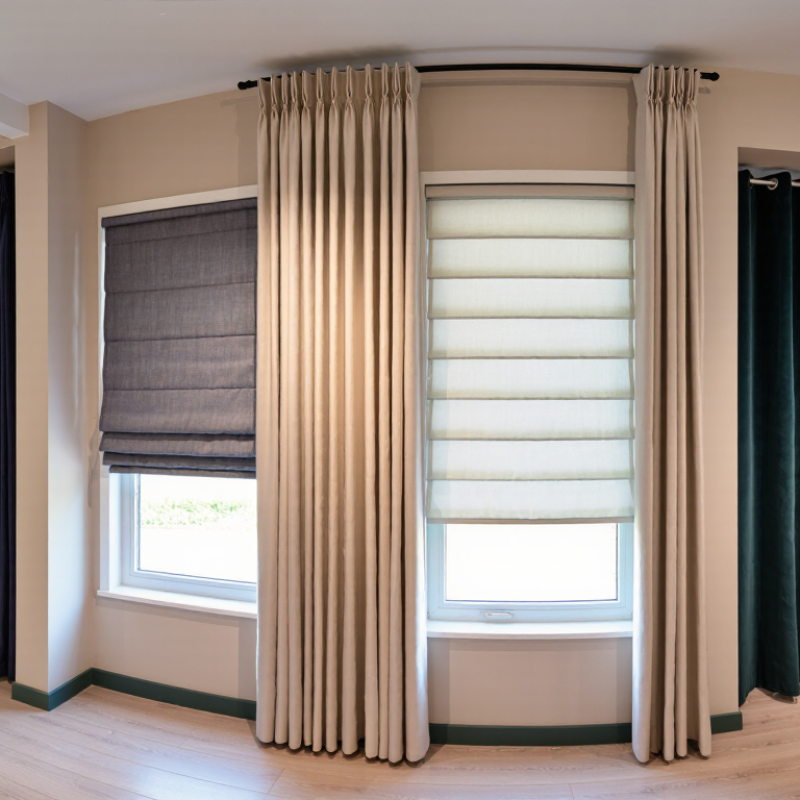
Interior style should guide fabric weight, heading, lining, and opening direction. After measuring windows on site, I check sill depth, daylight, humidity, and cleaning access. Classic pinch pleats suit traditional rooms, while ripple folds create calm contemporary lines. Roman shades fit compact spaces, especially when furniture sits beneath the window. Coastal interiors welcome relaxed linen panels with natural texture and visible wrinkles. That imperfection can feel honest, not careless.
Minimalist rooms benefit from wave curtains in quiet neutrals and ceiling-mounted tracks. Industrial spaces often need grommet panels, blackout lining, and durable hardware. Farmhouse interiors work well with rod-pocket curtains, cotton checks, and soft tiebacks. Art Deco rooms gain drama from velvet panels, contrast borders, and double returns. Japandi settings prefer sheer panels layered with simple woven blinds. The fifth option is not always practical.
Mediterranean interiors can use cafe curtains, especially around kitchens and breakfast areas. Each treatment needs suitable lining, fullness, and installation clearance. I once selected heavy velvet for a sunny room, and the space became visually cramped. The lesson stayed with me. Test fabric samples beside flooring, wall color, and evening lighting. Global buyers should also confirm fabric care, fire-safety requirements, and local installation conditions. A beautiful treatment still fails when it blocks a cabinet or demands difficult maintenance.
| Rank | Custom Drapery Treatment | Best-Matched Interior Style | Common Fabric Choices | Typical Fullness | Light and Privacy Performance | Suitable Hardware and Operation | Recommended Window Applications | Global Buyer Considerations |
|---|---|---|---|---|---|---|---|---|
| 1 | Pinch Pleat Drapery | Traditional, transitional, classic hotel, European country | Linen blends, cotton, damask, velvet, polyester blends | Approximately 2.0–2.5 times the finished width | Moderate to high privacy; blackout lining can provide strong light control | Decorative rod, traverse rod, or ceiling-mounted track; manual or motorized | Formal living rooms, bedrooms, dining rooms, and hospitality spaces | Requires accurate pleat spacing and sufficient stacking space beside the window |
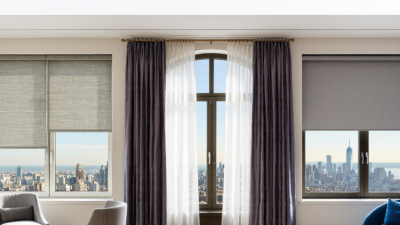
| 2 | Ripple Fold Drapery | Contemporary, minimalist, modern commercial, soft industrial | Polyester, linen blends, cotton blends, flame-retardant contract fabrics | Approximately 1.8–2.2 times the finished width | Moderate privacy; lining and fabric weight determine room-darkening performance | Specialized ripple-fold track with carriers; manual, baton-controlled, or motorized | Large glazed walls, sliding doors, offices, and modern hotels | Travels smoothly across wide spans and works well with ceiling-mounted systems |
| 3 | Wave or S-Fold Drapery | Minimalist, Scandinavian, contemporary, Japandi | Sheer polyester, linen-look fabric, cotton blends, textured synthetics | Approximately 1.8–2.2 times the finished width | Sheer versions diffuse daylight; lined versions offer improved privacy and shading | Continuous wave track; manual, baton-controlled, or motorized | Full-height windows, patio doors, room dividers, and floor-to-ceiling glazing | Needs compatible gliders and a carefully calculated track return or end clearance |
| 4 | Grommet or Eyelet Drapery | Modern, casual, urban, coastal contemporary | Cotton, linen, canvas, polyester, blackout fabrics | Approximately 1.5–2.0 times the finished width | Moderate privacy; blackout fabric or lining improves bedroom performance | Decorative curtain rod; manual operation only | Bedrooms, living rooms, rental interiors, and easy-install projects | Requires a strong rod and adequate clearance above the window for smooth movement |
| 5 | Rod Pocket Drapery | Country, cottage, vintage, relaxed traditional | Cotton, linen, lightweight polyester, printed fabrics | Approximately 1.5–2.0 times the finished width | Moderate privacy; generally less effective for frequent opening and closing | Standard decorative rod; manual operation | Small windows, decorative panels, kitchens, and guest rooms | Cost-effective for stationary panels but less suitable for wide windows or daily use |
| 6 | Tab Top Drapery | Rustic, coastal, farmhouse, casual cottage | Linen, cotton, canvas, cotton-polyester blends | Approximately 1.5–2.0 times the finished width | Moderate privacy; performance depends on fabric weight and lining | Decorative curtain rod; manual operation | Casual bedrooms, vacation homes, breakfast areas, and low-traffic rooms | Visible fabric loops create a relaxed look but may not glide easily on the rod |
| 7 | Goblet Pleat Drapery | Formal traditional, neoclassical, luxury residential, heritage interiors | Velvet, silk-look polyester, damask, jacquard, heavy linen blends | Approximately 2.0–2.5 times the finished width | High privacy and strong light reduction when paired with lining | Decorative rod, traverse rod, or track; usually manual or assisted operation | Formal salons, grand bedrooms, dining rooms, and heritage-style hospitality spaces | Deep pleats need adequate stack-back space and careful professional installation |
| 8 | Box Pleat Drapery | Tailored contemporary, transitional, mid-century, refined office | Linen blends, cotton, wool-look polyester, jacquard, performance fabrics | Approximately 2.0–2.5 times the finished width | Moderate to high privacy; lining can improve thermal and blackout performance | Decorative rod, traverse rod, or track; manual or motorized | Wide picture windows, dining rooms, libraries, and executive interiors | Creates a structured appearance and benefits from stable, wrinkle-resistant fabrics |
| 9 | Inverted Pleat Drapery | Modern classic, minimalist traditional, transitional, tailored residential | Linen, cotton, velvet, polyester blends, textured performance fabrics | Approximately 2.0–2.5 times the finished width | Moderate to high privacy; blackout lining is suitable for bedrooms and media rooms | Decorative rod, traverse rod, or ceiling track; manual or motorized | Living rooms, bedrooms, media rooms, and contemporary hotel interiors | Provides a clean front view with fewer visible folds and a disciplined silhouette |
| 10 | Layered Sheer and Blackout Drapery | Luxury contemporary, resort, hotel, wellness, smart-home interiors | Sheer polyester, linen-look voile, dim-out polyester, blackout fabrics | Approximately 1.8–2.5 times the finished width per layer | Flexible: filtered light to blackout | Double track or double rod; manual, baton-controlled, or motorized | Bedrooms, living spaces, glazed façades, hospitality rooms, and media areas | Offers separate daylight and privacy control; requires additional depth for two tracks |
Planning note: Fullness ratios are typical starting points for custom quotation. Final fabric requirements depend on finished dimensions, fabric width, pattern repeat, lining, heading construction, installation method, and local fire-safety or building regulations.
Custom window drapery treatments should be compared by performance, not appearance alone. A south-facing room may need dense lining, while a shaded northern window may benefit from lighter fabric. Window orientation, glass type, climate, and room use all affect the correct choice.
For energy efficiency, inspect the lining, pleat fullness, side returns, and overlap at the center. These details reduce air movement around the window. Thermal lining can help stabilize indoor temperatures, especially near large glass doors. However, drapery is not a replacement for quality glazing or proper insulation. That limitation matters.
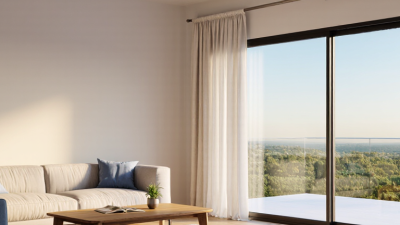
Light control requires more than choosing “blackout” fabric. Check whether the treatment reduces glare, filters ultraviolet exposure, or creates near-total darkness. A layered design can pair a sheer panel with a heavier curtain for flexible daytime control. Motorized operation may improve daily function for tall or hard-to-reach windows, but controls should remain simple and reliable. Test the fabric under direct sunlight before ordering. Samples can look different beside a real window. Small gaps may still allow bright morning light. One imperfect assumption is expecting one treatment to suit every room; bedrooms, offices, and living areas usually need different balances of privacy, daylight, and heat control. For international buyers, ask for measured specifications, cleaning guidance, material composition, and installation tolerances before approving production.
International drapery projects succeed when ordering decisions are documented early. Begin with verified window measurements, mounting details, and installation dates from each site. Ask for labeled fabric samples before approving production. Color can change under warm hotel lighting. Confirm fabric composition, width, weight, and cleaning instructions.
Ten practical treatments include
Customization should match the room’s function and local conditions. Specify finished width, drop, fullness, lining, hem depth, header style, and track position. Blackout lining suits bedrooms, while breathable sheers work better in bright reception areas. Request shop drawings with metric and imperial measurements. Add a tolerance range, packed dimensions, carton labels, and installation instructions. For international delivery, confirm lead times, moisture protection, replacement procedures, and required import documents. Small omissions become expensive overseas.
Maintenance plans should travel with the shipment. Use low-suction vacuuming, soft brushes, and approved spot cleaning. Never assume every fabric accepts machine washing. Control humidity to reduce mildew and fabric movement. Inspect tracks, hooks, and hems during scheduled room servicing.
In practice, even careful measurements can fail when walls are uneven. A pre-installation site check may feel repetitive, but it often prevents visible gaps. I would also approve one complete sample bay before producing the full order. That step costs time, yet it exposes problems earlier.