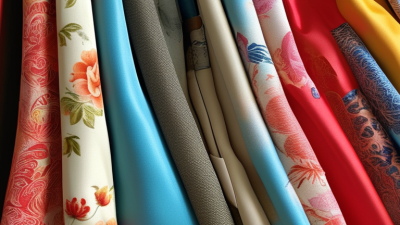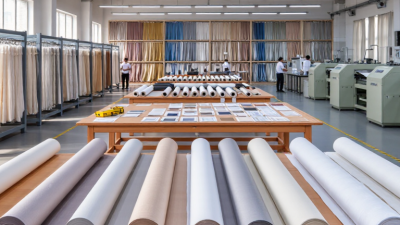
Choosing the right window fabric in 2026 requires more than matching colors with a room. It demands careful attention to climate, function, fiber content, and long-term performance. A sheer linen may soften strong daylight beautifully, while a coated polyester can resist humidity, staining, and frequent cleaning. Neither option works everywhere.
Karla J. Nielson, author of Window Treatments, offers a useful reminder: “A beautiful window treatment must still perform.” That principle remains practical for architects, distributors, and furnishing brands. Buyers should examine abrasion resistance, lightfastness, shrinkage, flame performance, and maintenance instructions before approving samples. Small details matter.
Regional conditions change the decision. Cotton blends may suit dry residential interiors, but moisture can encourage distortion or mildew when ventilation is poor. Recycled polyester offers consistent production and easy care, although its hand may feel less natural. Wool provides warmth and texture, yet it can increase cost and require specialist cleaning. There is no universal winner.
This guide reviews the leading window fabric types for global buyers, including linen, cotton, polyester, velvet, sheer blends, blackout textiles, and performance fabrics. It considers appearance and measurable use. Some comparisons remain imperfect because supplier testing methods differ. That limitation deserves attention. Buyers should request current technical data, physical samples, color cards, and independent certifications before placing large orders. The most attractive fabric may fail beside a sunny window. A practical choice usually balances beauty, durability, compliance, availability, and responsible sourcing.
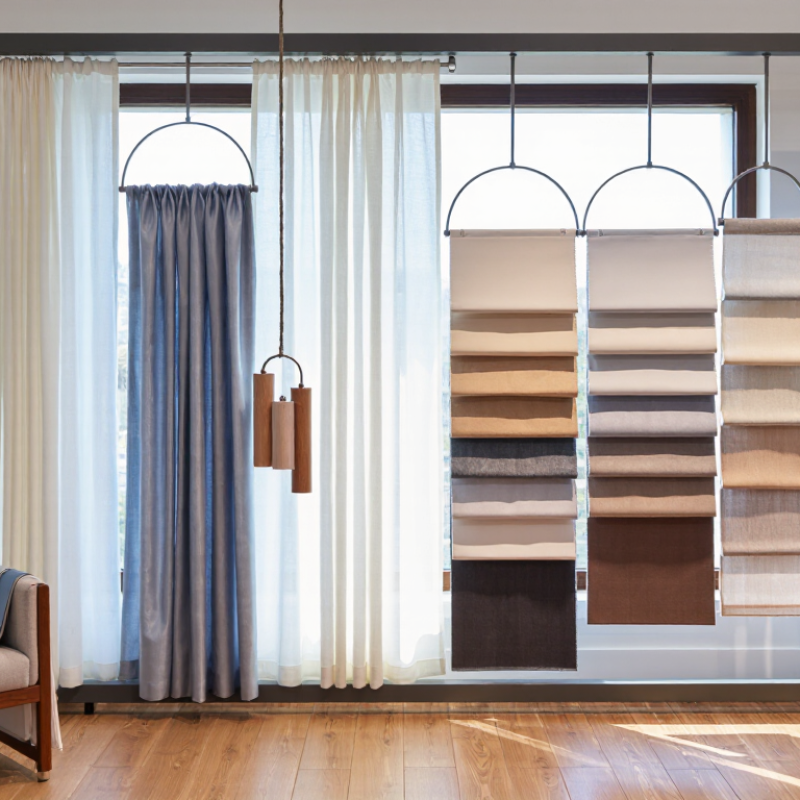
2026 Top Window Fabric Types for Global Buyers
What Window Fabrics Are and How They Function
Window fabrics are engineered textiles made from natural, synthetic, or blended fibers. They hang, roll, fold, or stretch across a window opening. Their basic function is controlled light management.
A tightly woven fabric blocks more daylight and improves privacy. An open weave softens glare while preserving outdoor views. Coated fabrics can reduce heat transfer, especially beside sun-facing glass. However, coating quality matters. Poorly bonded layers may crack after repeated folding.
In sourcing projects, I compare fabric weight, weave density, color stability, and edge strength. A darker cloth usually offers stronger visual shade, but it may absorb more solar heat. Light colors reflect more light and can show dust sooner. Small samples can be misleading. Full-width testing reveals drape, seams, and uneven light.
Performance also depends on the room. A humid bathroom needs moisture resistance. A bedroom may need better blackout control. Offices often require low-glare fabrics for screens. For global buyers, technical sheets should state composition, width, shrinkage, cleaning method, and testing conditions. Ask for independent test evidence when claims involve fire behavior or thermal performance. No fabric solves every problem. I have seen attractive materials fail because the chosen openness did not suit the window direction. Reflecting on that mistake is useful: fabric selection should begin with daily function, not appearance alone.
Polyester remains a practical choice for global window projects. It resists wrinkles, dries quickly, and holds printed patterns well. It suits roller shades, curtains, and busy hospitality spaces. Recycled polyester is also gaining attention, although buyers should verify the material percentage and supply documentation. Marketing claims can be vague.
Linen and cotton provide a softer, more natural appearance. Linen creates visible slubs and gentle folds, which work well in bedrooms and boutique interiors. Cotton feels comfortable and accepts color evenly. However, both fibers may shrink or crease without proper finishing. Blended fabrics often offer a better balance between appearance and maintenance. A linen-polyester blend can reduce wrinkling while preserving a textured surface.
Sheer fabrics filter daylight without fully blocking outdoor views. Common options include polyester voile and lightweight woven blends. Blackout fabrics use dense weaving or a coated backing to reduce light and improve privacy. Solar screen fabrics help control glare and indoor heat, especially near large glass walls. Their openness factor matters. A tighter weave usually offers stronger glare control but less outward visibility. Buyers should request small samples and test them beside the actual window. Colors can appear different under morning and afternoon light. Fabric weight, seam quality, colorfastness, and fire-performance documentation also deserve careful review before large orders.
Window fabric construction often matters more than the fiber label. A dense plain weave blocks more daylight than an open weave. It also creates stronger daytime privacy. However, bright rooms can still reveal silhouettes after sunset. Night privacy depends on lining, room lighting, and the fabric’s actual opacity.
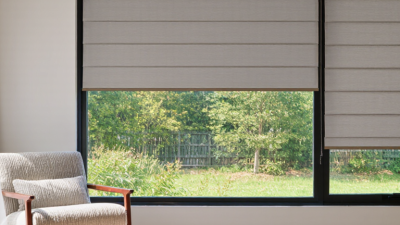
Roller fabrics with a tight weave suit offices and warm climates. Their openness factor controls glare and outside visibility. A lower percentage usually offers more shade, but it may reduce the view.
Cellular fabrics trap air inside their structured pockets. This design can slow heat transfer near cold glass. Woven blackout fabrics perform well in bedrooms, especially with side channels that limit edge light. Small gaps remain a common weakness.
Lining changes the result. A thermal lining can soften winter drafts and reduce summer heat near the window. Yet insulation is not created by fabric alone. Glass type, frame quality, installation, and the air gap also matter. A heavy fabric may feel insulating, but weight does not guarantee measured performance.
Buyers should request light-transmission data, openness factor, fabric weight, and thermal test conditions. Samples should be checked in both daylight and artificial light. No fabric performs perfectly everywhere. That is the part many specifications quietly overlook.
For global buyers, window fabric performance should be compared under the same conditions. Start with solar openness, visible light control, and glare reduction. Sunscreen fabrics allow outward views while reducing direct sunlight. Dimout fabrics offer stronger privacy and softer daylight. Blackout fabrics block nearly all light when paired with suitable side channels.
Check measurable data, not attractive samples alone. Compare openness factors, solar reflectance, UV protection, and color stability. A darker fabric may reduce glare better, but it can absorb more heat. Measure the full window system, including glass, fabric, gaps, and installation direction. Small side gaps can weaken real blackout performance.
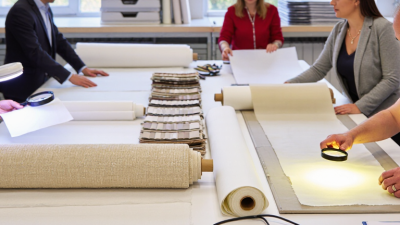
Do not ignore handling. Roll the fabric repeatedly and inspect edge fraying, coating cracks, and uneven tension. Test cleaning methods with dust, fingerprints, and mild detergent. In humid regions, moisture resistance matters more than a showroom finish. In public buildings, verify local fire, safety, and environmental requirements through current test reports. Lab results help, but they are not the whole answer. I have seen highly rated fabrics perform poorly after careless installation. That is an uncomfortable lesson. Ask for batch consistency data, warranty terms, and samples tested in the target climate. A small on-site mock-up can reveal glare, color shifts, and control problems before a large order.
How global buyers can compare window fabric performance using common technical specifications.
The chart uses representative midpoint values from commonly specified product ranges. Openness factor is the percentage of fabric area allowing light through, while light blockage represents the typical visible-light-blocking level of each fabric category. Actual performance varies by construction, color, coating, and testing method.
Choosing window fabric by market and project requires more than matching colors. Climate, daylight, maintenance, and local building requirements shape the right decision. In humid coastal areas, quick-drying polyester or blended fabrics may resist daily moisture better. In dry, sunny regions, solution-dyed fibers can offer stronger color stability. Hotels often need durable, cleanable materials. Homes may prioritize softness, privacy, and comfort.
Project purpose matters too. Sheer fabrics soften glare while preserving views. Blackout fabrics support bedrooms, nurseries, and media rooms. Linen blends create a natural appearance, but they can wrinkle and vary slightly in texture. That variation may feel authentic, yet some buyers may see it as inconsistent. Always request physical samples. Digital colors can mislead under warm or cool lighting.
Tips: Check fabric weight, shrinkage, abrasion performance, and cleaning instructions before approval. Compare samples beside the actual window, not only under showroom lights. Confirm fire-performance documentation and other applicable requirements with qualified local professionals. A practical test is valuable: hang a sample for several days and observe heat, glare, and handling. I have found that beautiful fabric can fail when installation, lining, or daily cleaning is overlooked. Leave room for revision. The first specification is not always the best one.
Comparative guide to performance, application, climate suitability, and project-selection priorities
| Fabric type | Typical construction and technical profile | Light control | Privacy performance | Best-fit markets and climates | Recommended projects | Main advantages | Main limitations | Selection checks for buyers |
|---|---|---|---|---|---|---|---|---|
| Polyester sheer / voile | Lightweight woven or knitted polyester; commonly used as a translucent decorative layer. | Softens daylight and reduces glare, but does not provide full solar control. | Provides daytime privacy when the exterior is brighter; limited privacy at night with interior lights on. | Temperate and warm markets where visual softness and daylight are priorities. | Residential living rooms, hospitality spaces, restaurants, and layered curtain systems. | Cost-efficient, color-flexible, lightweight, and easy to combine with blackout layers. | Weak night privacy and limited insulation compared with lined or coated fabrics. | Check transparency, snag resistance, dimensional stability, seam appearance, and wash-care instructions. |
| Polyester blackout fabric | Multi-layer polyester, often with a dense or foam-backed construction designed to block most incoming light. | Very high light blockage; performance depends on fabric construction, side gaps, and installation. | High privacy during both day and night when the system is correctly fitted. | Hot, bright, and high-density urban markets; useful for rooms requiring darkness. | Bedrooms, cinemas, hotels, healthcare rooms, nurseries, and shift-worker accommodation. | Strong darkness control, improved comfort, and broad residential and commercial use. | Can be heavier, less breathable, and more prone to visible creasing than lightweight sheers. | Confirm actual blackout test results, coating odor, fold recovery, fire requirements, and edge-light leakage. |
| Fiberglass PVC-coated screen | Open-weave fiberglass core with PVC coating; commonly specified by openness factor such as 1%, 3%, or 5%. | Excellent glare and solar-heat control; lower openness generally provides greater shading. | Good daytime privacy at suitable openness levels; nighttime privacy is limited when interiors are illuminated. | Sunny, hot, and high-UV regions, including tropical, subtropical, and desert climates. | Office façades, schools, healthcare buildings, apartments, and large glazed commercial interiors. | Stable dimensions, durable surface, outward visibility, and effective glare reduction. | Less suitable where complete darkness or soft textile aesthetics are required. | Verify openness factor, solar/optical test data, seam welding, cleaning method, and local fire classification. |
| Polyester sunscreen screen | Coated polyester mesh available in different openness factors; offers a textile alternative to fiberglass screen. | Controls glare and solar transmission while retaining some daylight and exterior view. | Daytime privacy varies with openness, color, and relative indoor/outdoor brightness. | Commercial and residential markets with strong daylight, façades, and moderate-to-high cooling loads. | Workplaces, apartments, education buildings, retail interiors, and meeting rooms. | Good view-through, modern appearance, and broad roller-blind compatibility. | Does not replace blackout fabric; coating quality strongly affects durability and appearance. | Request openness, visible light transmittance, solar reflectance, color-fastness, and dimensional-stability data. |
| Linen or linen-blend fabric | Natural flax fiber or a blend with polyester, cotton, or viscose; typically has a textured, slubbed appearance. | Moderate daylight diffusion; performance depends on density, lining, and color. | Moderate privacy; lining or double-layer construction improves night performance. | Design-led markets and temperate climates where natural texture and aesthetics are important. | Boutique hotels, premium residences, restaurants, show homes, and high-end interior projects. | Natural appearance, tactile quality, and strong compatibility with interior design schemes. | Can wrinkle, shrink, or vary in texture; direct moisture and intense sun may reduce service life. | Check fiber percentages, preshrink treatment, lining requirements, color variation, and care method. |
| Cotton fabric | Cellulosic woven fabric available in lightweight to heavyweight constructions; often used with lining for improved performance. | Ranges from high daylight transmission to strong shading when densely woven or lined. | Moderate to high privacy depending on density and lining. | Residential and hospitality markets in mild or controlled indoor environments. | Traditional interiors, children's rooms, hotels, serviced apartments, and decorative drapery. | Comfortable hand, broad printability, and familiar sewing and finishing processes. | May shrink, crease, fade, or absorb moisture; untreated cotton is not ideal for demanding exterior exposure. | Confirm shrinkage tolerance, washability, lining, light-fastness, and applicable flame-performance requirements. |
| Recycled PET polyester | Polyester made partly or wholly from recycled PET feedstock; available in sheer, dimout, blackout, and screen constructions. | Light-control performance is determined by the final construction, not by recycled content alone. | Ranges from low to high according to openness, density, and backing. | Projects with environmental procurement criteria and markets using green-building documentation. | Corporate offices, public buildings, hospitality, education, and sustainability-focused residential developments. | Supports recycled-content goals while retaining polyester's dimensional stability and design flexibility. | Environmental claims vary; recycled content does not automatically prove recyclability or lower total impact. | Request chain-of-custody evidence, recycled-content percentage, life-cycle documentation, PVC status, and end-of-life information. |
| Solution-dyed acrylic outdoor fabric | Acrylic fibers colored through the polymer before spinning; commonly engineered for outdoor awnings and shading systems. | Provides outdoor shading and reduces direct solar exposure; exact performance depends on color and fabric density. | Offers exterior visual screening but is not a substitute for an interior privacy blind. | High-UV, warm, coastal, and outdoor hospitality markets. | Retractable awnings, pergolas, balconies, terraces, cafés, resorts, and outdoor seating areas. | Strong color retention, weather resistance, and suitability for exterior shading applications. | Requires correct drainage, ventilation, tension, and maintenance; not suitable for every indoor roller-blind system. | Check UV exposure rating, water repellency, mildew resistance, wind limits, seam strength, and installation standards. |
Buyer evaluation priorities
Compare the intended climate, window orientation, glazing, indoor temperature targets, privacy requirement, cleaning method, fire regulations, abrasion resistance, color-fastness, installation system, and project sustainability criteria. Performance values vary by construction, color, coating, and test method; request project-specific technical data before final approval.