Blog

What Are the Top Types of Window Textiles?

Window textiles do more than soften a room. They filter daylight, add privacy, and can influence how comfortable a space feels. The U.S. Department of Energy’s Energy Saver guidance estimates that heat gain and heat loss through windows account for about 25%–30% of residential heating and cooling energy use. That figure is a useful starting point, not a promise that any curtain will cut energy bills. Fabric density, lining, fit, glazing, and climate all affect results.

The main options range from airy sheers and everyday curtains to lined drapes, Roman shades, and cellular fabric shades. Each behaves differently. A sheer may turn harsh afternoon sun into softer light, while a lined drape can darken a bedroom and add a more substantial layer at the window. Cellular shades use pockets that trap air, but their performance depends on installation and product design. Small details matter.

This guide compares the top types of window textiles by appearance, light control, privacy, upkeep, and practical performance. It also separates familiar names from features that buyers can actually assess, such as opacity, lining, and measured product ratings. There is no universal winner. A beautiful fabric can still disappoint if it blocks too little light, collects dust, or hangs poorly. The best choice is the one that fits the room, the window, and the way people use both.
What Are the Top Types of Window Textiles?

Common Fabrics Used in Window Textiles

Common Fabrics Used in Window Textiles

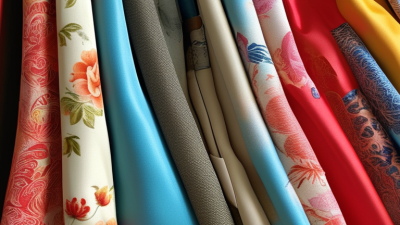
Cotton is a familiar choice for curtains because it hangs softly and comes in many weights. Lightweight cotton lets daylight filter through, while a lined, heavier weave offers more privacy. It can wrinkle, though, and direct sun may gradually fade its color.

Linen has a relaxed texture and drapes with an airy, slightly uneven look. That character can feel warm and natural. It also creases easily. I may be giving linen too much credit here; in a busy room, those creases can become a daily annoyance.

Polyester and polyester blends are common for practical reasons. They tend to resist wrinkles and can hold their shape well, making them useful for frequently opened curtains. Check the fabric label for cleaning guidance, since blends and finishes vary.

Velvet, often made from cotton or synthetic fibers, adds weight and helps soften outside light. It can gather dust in its pile.

Silk looks delicate and luminous, but sunlight can damage it, so it often needs a protective lining.

No fabric solves every problem. A small swatch beside the window can reveal how its color shifts from morning to evening.

Curtains and Drapes: Woven Panels for Light and Privacy

Curtains and drapes are woven panels that soften a room while managing daylight and privacy. Their performance depends on fabric weight, weave, lining, and how closely they fit the window. A sheer linen panel filters sharp afternoon sun but may leave silhouettes visible after dark. A lined, tightly woven panel offers more privacy and helps block drafts around the glass. Small details matter.

The U.S. Department of Energy’s Energy Saver guidance reports that conventional draperies can reduce heat loss from a warm room by up to 10%. It also reports that white, plastic-backed draperies can reduce solar heat gain by up to 33%. These figures describe potential results, not a promise for every home. It can mislead. Window direction, gaps at the edges, and how often panels stay closed all affect real-world performance. For practical use, measure from above the frame to near the floor, then choose a track or rod that lets panels overlap the window edges. Test a fabric sample in morning and evening light; colors can look unexpectedly different. A room may need privacy at night but welcome daylight by day, so layered sheers and heavier drapes can offer flexible control.

What Are the Top Types of Window Textiles?

Curtains and drapes are woven panels that balance light and privacy. The chart shows indicative visible-light transmission ranges; actual results vary with fabric color, weave, and lining.

Lower transmission means less daylight passes through the fabric. Blackout performance depends on the fabric and how closely the curtains cover the window.

Sheer Window Textiles: Lightweight Layers for Softened Light

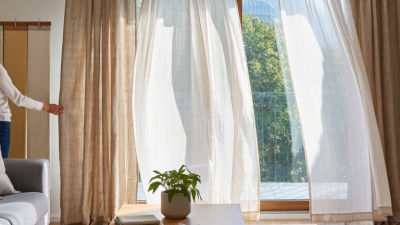
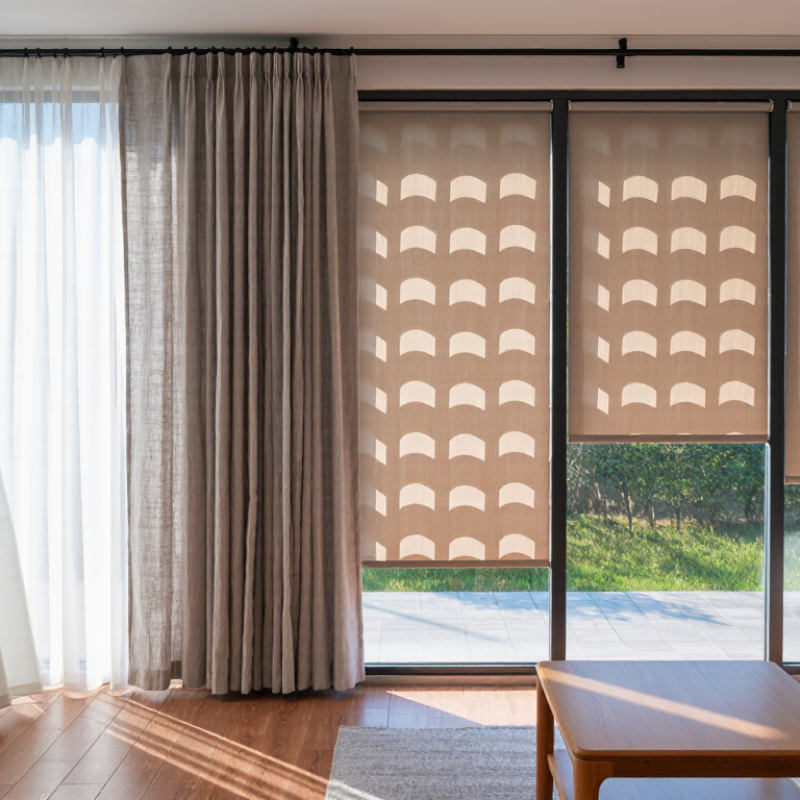
Sheer window textiles soften daylight without shutting it out. Their open weave scatters direct sun, reducing glare on a laptop or dining table while keeping a room visually connected to the outdoors. Linen blends often show small slubs and uneven threads. These details add texture, though they can make the fabric look less uniform. Polyester sheers tend to hold their shape and wash more predictably.

Light still moves.

A warm white voile can brighten a north-facing room, while a cooler gray may mute the glow. Check fabric samples beside the actual window, since wall color and daylight affect how each shade appears.

Sheers suit living rooms, kitchens, and layered bedroom windows. They soften views during the day, but they do not provide complete privacy after dark when indoor lights are on.

Not complete privacy.

Pairing them with lined curtains or a roller shade gives more control without sacrificing daytime softness. For a relaxed drape, allow enough width for gentle folds; fabric pulled flat can look stark. Measure the window and mounting area carefully, because a few extra centimeters can change how the hem sits.

It is easy to expect a sheer panel to solve every light problem. In practice, orientation, nearby buildings, and personal comfort matter just as much as fabric choice.

Textile Blinds and Shades: Fabric-Based Light Control

Textile shades control daylight through fabric density, color, lining, and position. Roller shades offer a clean, flat surface; Roman shades fold into soft horizontal pleats. Sheer fabrics diffuse glare while preserving a view, but they rarely provide strong privacy after dark. Cellular shades use air pockets to slow heat transfer. Small detail. A white, tightly woven fabric can brighten a room, while a darker lining helps reduce incoming light.

The U.S. Department of Energy’s Energy Saver guidance on energy-efficient window coverings says properly fitted cellular shades can reduce heat loss through windows by 40% or more. It also reports potential reductions of up to 60% in unwanted solar heat gain. These are upper-end results, not guarantees; fit, fabric, window type, and installation all matter. A shade with side gaps may perform less effectively, even if its fabric looks substantial. I sometimes overrate the neat appearance of a sample swatch: sunlight can fade fabric, and a thick shade may still leave a bright strip at the edge. Check light-filtering descriptions in person, and consider how the textile looks at noon and after dark.

What Are the Top Types of Window Textiles? — Textile Blinds and Shades: Fabric-Based Light Control
Type Common Textile Construction Light Control Privacy Useful Features and Considerations
Roller shades Usually woven or coated polyester; available in sheer, light-filtering, and blackout fabrics. Ranges from softly filtered daylight to near-total fabric-level light blockage, depending on opacity. Sheer fabrics offer limited daytime privacy; opaque and blackout fabrics provide greater privacy when lowered. Simple, compact design. Light can enter around the edges, especially with inside-mounted shades.
Roman shades Decorative woven fabrics, often with a lining or blackout lining. Fabric and lining determine how much daylight is filtered or blocked. Generally good when lowered; lining can improve coverage and reduce silhouettes. Soft horizontal folds create a tailored look. The stacked fabric takes up space above the window when raised.
Cellular (honeycomb) shades Pleated nonwoven fabric formed into single-, double-, or multiple-cell structures. Available in light-filtering and blackout versions. Good when lowered; blackout models can still have light leakage at the edges. Trapped air in the cells adds insulation. Cell structure and fabric color affect appearance and performance.
Pleated shades Folded fabric, commonly polyester, held in a crisp accordion-style pleat. Light filtering is common; some versions include a room-darkening or blackout backing. Varies with fabric opacity and whether a backing is used. Lightweight and compact when raised. Pleats may collect dust and need careful cleaning.
Vertical fabric blinds Vertical fabric vanes, often polyester, that rotate and slide along a track. Vanes can be tilted to adjust daylight or drawn aside to open the view. Adjustable; coverage depends on vane overlap and angle. Well suited to wide windows and sliding doors. Gaps between vanes can allow some light through.
Solar screen shades Open-weave screen fabric, commonly made from polyester or fiberglass yarns with a protective coating. Reduces glare and solar heat while retaining some view-through; openness is often specified as a percentage, such as 1%, 3%, or 5%. Often provides daytime privacy when it is brighter outside than inside; privacy can reverse at night with interior lights on. Lower openness generally means less view-through and more glare control. These shades are not typically designed for complete nighttime privacy.

Specialty Window Textiles: Blackout, Thermal, and Acoustic Fabrics

Specialty window textiles solve different problems, so matching fabric to the room matters. Blackout cloth uses dense weaves or coated backing to curb incoming light. It suits bedrooms and media rooms. Yet “blackout” rarely means complete darkness: light can slip around the edges, and pale walls may still glow. Thermal curtains add insulating layers and can reduce drafts near cold glass, though fit and installation matter as much as fabric weight.

For energy context, the U.S. Department of Energy’s Energy Saver guidance reports that tightly installed cellular shades can reduce window heat loss by 40% or more and unwanted solar heat by up to 60%. Those figures describe cellular shades, not every drapery textile. Results vary with window type, climate, and use. Acoustic fabrics can absorb some reflected sound, especially mid- and high-frequency noise, but they do not replace sealed windows or wall insulation. Heavy folds may soften a room’s echo. Street noise can remain.

Tips: Measure the full frame, then overlap the edges. Choose blackout lining for sleep and thermal lining for chilly windows. For noise, try a floor-length, pleated textile and close side gaps. Test a fabric swatch at noon and after dark. Small details matter.