Why Do Buyers Choose Drapery Workrooms?
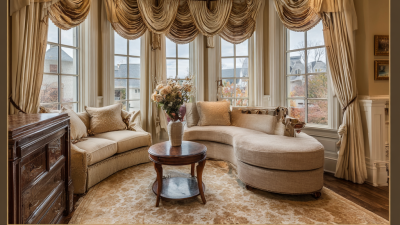
Why do buyers choose drapery workrooms when ready-made curtains are easy to find? Often, the answer begins at the window. A bay window may have an uneven angle. A tall living-room window may need extra length. In these situations, drapery workrooms can measure, cut, and sew treatments to suit the space rather than forcing the space to suit a standard size.
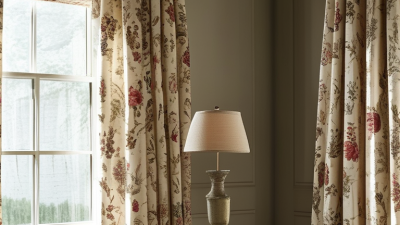
Buyers also value control over details. They can compare fabric samples in natural light, choose a lining, and discuss pleat styles, hems, and hardware. A skilled workroom can explain how fabric weight affects the way panels hang, or why a blackout lining may change their appearance from the outside. These practical conversations help buyers make informed decisions. The finished result still depends on accurate measurements and clear communication. Small errors matter.
There is a personal side, too. Custom drapery can make a room feel considered, especially when colors and textures connect with rugs, furniture, or trim. But a workroom is not automatically the best choice for every project. It may cost more, and production can take longer than buying ready-made panels. That trade-off is easy to overlook. Buyers should ask about samples, timelines, installation, and who handles adjustments if the fit is not right. A thoughtful choice comes from weighing the room’s needs, the budget, and the service offered—not from assuming custom always means perfect.

How Drapery Workrooms Turn Buyer Briefs into Made-to-Measure Window Treatments
A buyer’s brief often arrives as a mix of practical needs and visual references: less glare on a screen, privacy after dusk, or a soft fold beside a bay window. A drapery workroom turns those requests into measurable choices. It confirms window dimensions, mounting position, finished length, and how the panels should open. Small details matter. A few centimeters can change how fabric clears a radiator or meets the floor.
The workroom also helps match fabric weight and lining to the room’s use. A sunny bedroom may need stronger light control, while a living room might call for a lighter layer. Fullness, heading style, and track or rod placement affect both appearance and movement. A paper sketch or fabric swatch can reveal issues that are hard to spot in a written brief. The first selection is not always right. That is normal.
Once the specifications are agreed, the workroom prepares cutting and sewing instructions for each window. Skilled makers account for pattern repeats, seam placement, and the way a fabric hangs—not just its width on a roll. Before production, measurements should be checked against the actual installation site, especially in older homes where floors and frames may not be level. A careful review can prevent a beautiful panel from dragging on one side.
Why Precise Measurements Matter for Fit, Function, and Installation
Precise measurements shape how custom drapery looks and works. A workroom records window width and height at several points because older frames are rarely perfectly square. For an inside mount, even a small mismatch can cause fabric to rub against the sill or leave a bright strip at the edge. Outside mounts need different checks: bracket clearance, stackback, and enough overlap to cover the frame. Small details matter.
The U.S. Department of Energy’s Energy Saver guidance estimates that heat gain and loss through windows account for about 25%–30% of residential heating and cooling energy use. That figure does not mean drapery alone will deliver a specific energy saving. It does show why coverage and gaps deserve attention. A workroom can check the finished width, lining, return, and floor clearance against the actual installation conditions. A hem that just brushes the floor may suit one room; in another, it may catch dust or drag over uneven boards. Measuring twice helps, but it is not infallible. Walls can bow, and hardware can shift slightly during installation.
How Fabric, Lining, and Construction Shape Light Control and Privacy
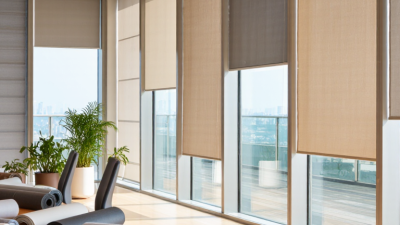
Buyers often choose drapery workrooms because light control depends on more than color. A skilled maker considers fabric density, weave, lining, and how panels meet the window. In a west-facing room, a dense weave with a pale lining can soften afternoon glare without sealing the space. That matters. A sheer may preserve daylight, but silhouettes can remain visible after dusk when indoor lights are on. Fabric samples help, though a small swatch cannot show the full effect across a wide window.
Lining changes both brightness and privacy. A privacy lining diffuses views and light; a room-darkening lining blocks more daylight, but edge gaps still admit sun. Construction matters too. Generous fullness creates overlapping folds, while carefully placed returns reduce side gaps where light often leaks. Interlining adds body and some insulation, but extra weight may feel cumbersome in a small room. Even good work can miss the mark. Sun shifts, and privacy needs change by hour; checking fabric against the actual window is worth the extra pause.
DOE: Windows Account for 25–30% of Home Heating and Cooling Energy Use
Windows affect comfort as well as views. The U.S. Department of Energy estimates that windows account for about 25–30% of home heating and cooling energy use. Drapery cannot eliminate that loss, but properly fitted panels can help reduce drafts and limit unwanted heat gain. The details matter: fabric that reaches close to the floor, adequate fullness, and suitable lining can create a more effective barrier. On a cold morning, the difference may be noticeable near a large window.
That is one reason buyers choose drapery workrooms. A workroom can tailor panel width, length, and lining to a window’s dimensions and daily use. A sunny south-facing room may need different fabric choices than a shaded bedroom. Precise measurements also help panels close with fewer gaps around the edges. Small details count. Still, custom work is not automatically an energy upgrade. Thin fabric, poor fit, or panels left open during peak sun may deliver little benefit. Measurements can be imperfect, too, so checking the finished fit matters. A workroom’s value lies in thoughtful choices and careful execution, not promises of a specific energy-bill reduction.
DOE: Properly Installed Draperies Can Reduce Winter Heat Loss by Up to 10%
U.S. Department of Energy guidance says properly fitted draperies can reduce heat loss through windows by up to 10 percent. DOE also estimates that windows account for roughly 25–30 percent of home heating and cooling energy use. These figures are useful benchmarks, not promises for every room. The result depends on the window, drafts, fabric, and fit. A narrow gap at the edge can let cold air reach the glass.
A skilled drapery workroom can measure for full coverage, shape panels around the window, and add returns that limit side gaps. Fit matters. In DOE’s Energy Saver guidance on window coverings, close-fitting installation is central to performance. In practice, a thick fabric alone may not help much if the curtain hangs short or leaves the sides exposed. A workroom can also account for radiators, handles, and the way a family opens and closes the drapes each day. Still, precise tailoring cannot fix a leaky window frame. That distinction is easy to overlook when comparing fabric samples. Sources: U.S. Department of Energy, Energy Saver, “Energy Efficient Window Coverings” and “Windows, Doors, and Skylights.”